Social Identities Abroad

The most important thing you will bring with you on your semester abroad is you and all the things that make you who you are. We recognize that each students’ experience off-campus will not be the same because each of you will bring your own beliefs, challenges, goals, and strengths. In addition, the different social identities you hold may play a role in how you are perceived abroad and how you perceive others.


Take a moment and think about how you would describe your identities. Who am I? (e.g., student, daughter, democrat, Asian, American, Muslim, Jewish, Atheist, Deaf, male, bi-sexual, transgender, etc.) There may be parts of your identity that can be observed by others while other parts are less visible. At different points in our lives (or even throughout the day), certain pieces of our identity feel bigger or more present, just because of who we’re with or where we are located. 


Complete Your Social Identity Wheel!


‌While the question “Who am I” can feel so personal, a big part of the answer to that question may be layered within social and political structures, history, family dynamics, etc. It only makes sense that living in a new country and culture, with different structures in place and other historical and cultural factors, could have an impact on your identity and experience abroad.


How you self-identify at Skidmore or in the United States may not be how you are perceived abroad. For example, your national identity may become more prominent or you might be seen as part of the racial or ethnic majority/minority for the first time. 


Like with all aspects of preparing to study off-campus, the more you research now, the more you can prepare yourself for a safe and successful semester. We've compiled a list of resources to get you started. This is not an exhaustive list and there are many identities that are not highlighted below, such as religion, socio-economic status, gender, etc. Please reach out to us or your program if you need help finding additional resources or have questions.

Race, Ethnicity, & Nationality

We would encourage all students to research and reflect on how their racial, ethnic, and national identities could be perceived abroad, along with what privileges might be afforded to those identities. We would also recommend looking beyond your own identities to consider what the experience may be like for your peers in the same country. 

Student Voices & Experiences

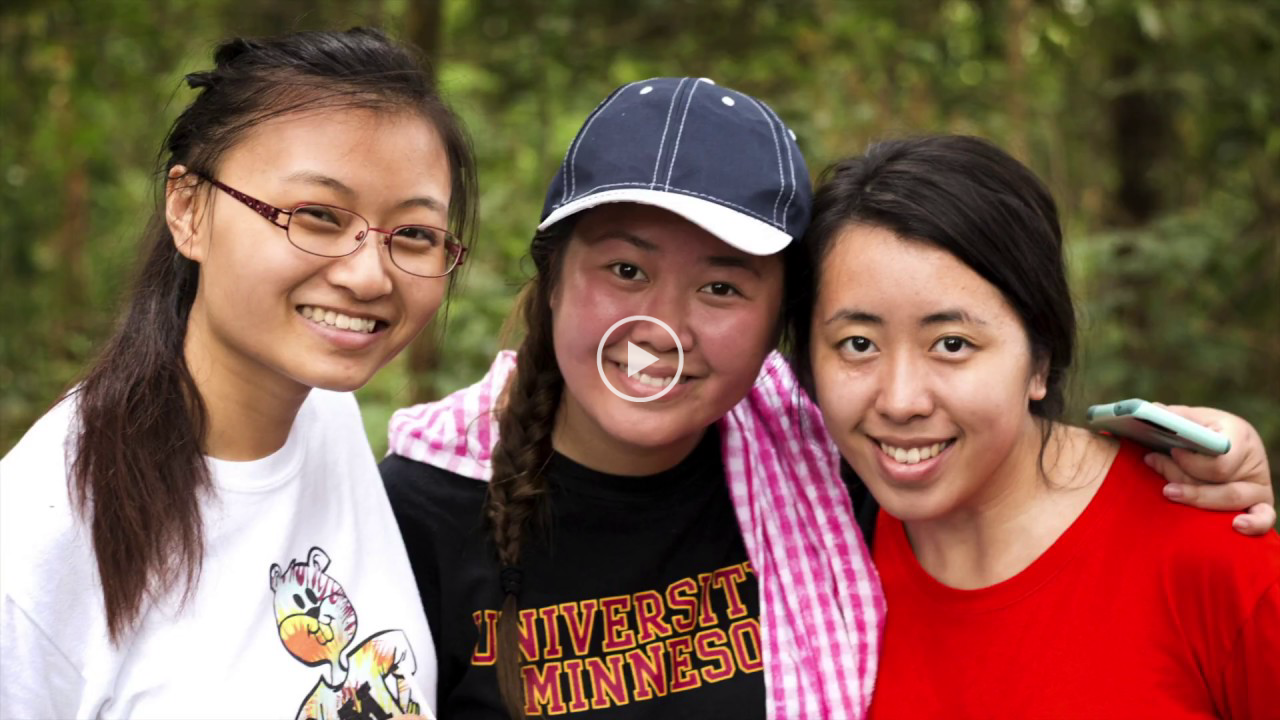
Video: Asian American Experience Abroad from Learning Abroad Center, University of Minnesota

Video/Audio


Questions to Ask 

  • What are the minority groups in your host country? Will I be considered a minority in that country?
  • Are there communities of people like me where I’m traveling or in my host country?
  • Are there common perceptions or stereotypes about my race/ethnicity/nationality in my host country?
  • What is the history between the US and my host country?
  • What does it mean to be perceived as an American in my host country?
 

Resources

LGBTQI+

Before you leave for your semester abroad, take some time to explore online resources and LGBTQ travel guides. Start looking into the cultural norms, LGBTQ rights and issues in your host country.


Questions to Ask 

  • Are there laws regarding homosexuality/gender identity in my host country?
  • Is it safe for me to be out when I’m abroad?
  • What are the cultural norms for dating and friendship?
  • What kinds of LGBTQ resources are there in my host country?
  • Is there a united, visible LGBTQ community in my host country/city?
  • What are some ways members of these diverse communities represent themselves within the wider society?
 

Disabilities & Mental Health

We strongly encourage students to disclose any documented disabilities or accommodations you will need abroad well in advance of departure to your program provider. Since each country and city may have different laws and perspectives on disabilities and mental health, the level of support available could also be different than what you're used to here at Skidmore or in the United States. Disclosing early will allow the on-site staff to have more time to work with you on a plan to be successful abroad. 


Questions to Ask 

  • What kind of accommodations will I need abroad?
  • What are the laws regarding accessibility in my host country?
  • Do I have the appropriate documentation for my accommodations?
  • What housing and transportation options exist?
  • Is it possible for the program to accommodate my disability in the same way it would be accommodated on campus? If not, am I willing to make adjustments in order to participate in this particular program?
 

Other Helpful Sites

As was mentioned previously, this was not an exhaustive list. If you have any questions, concerns, or need help finding additional resources, just let us know.


Coming up next...In our next pre-departure email, we will cover "Culture Shock" and Cultural Adjustment.


#globalskidmore

This is an internal email and not intended for external distribution. Please do not forward.

©