
The extracellular matrix or ECM of eukaryotes functions in
many diverse ways including providing a buffer/barrier against chemical
and physical stressors, serving as a conduit for perception of external
stimuli, initiating complex signal transduction cascades and providing
a matrix for cell-cell adhesion/recognition and a harbor for key
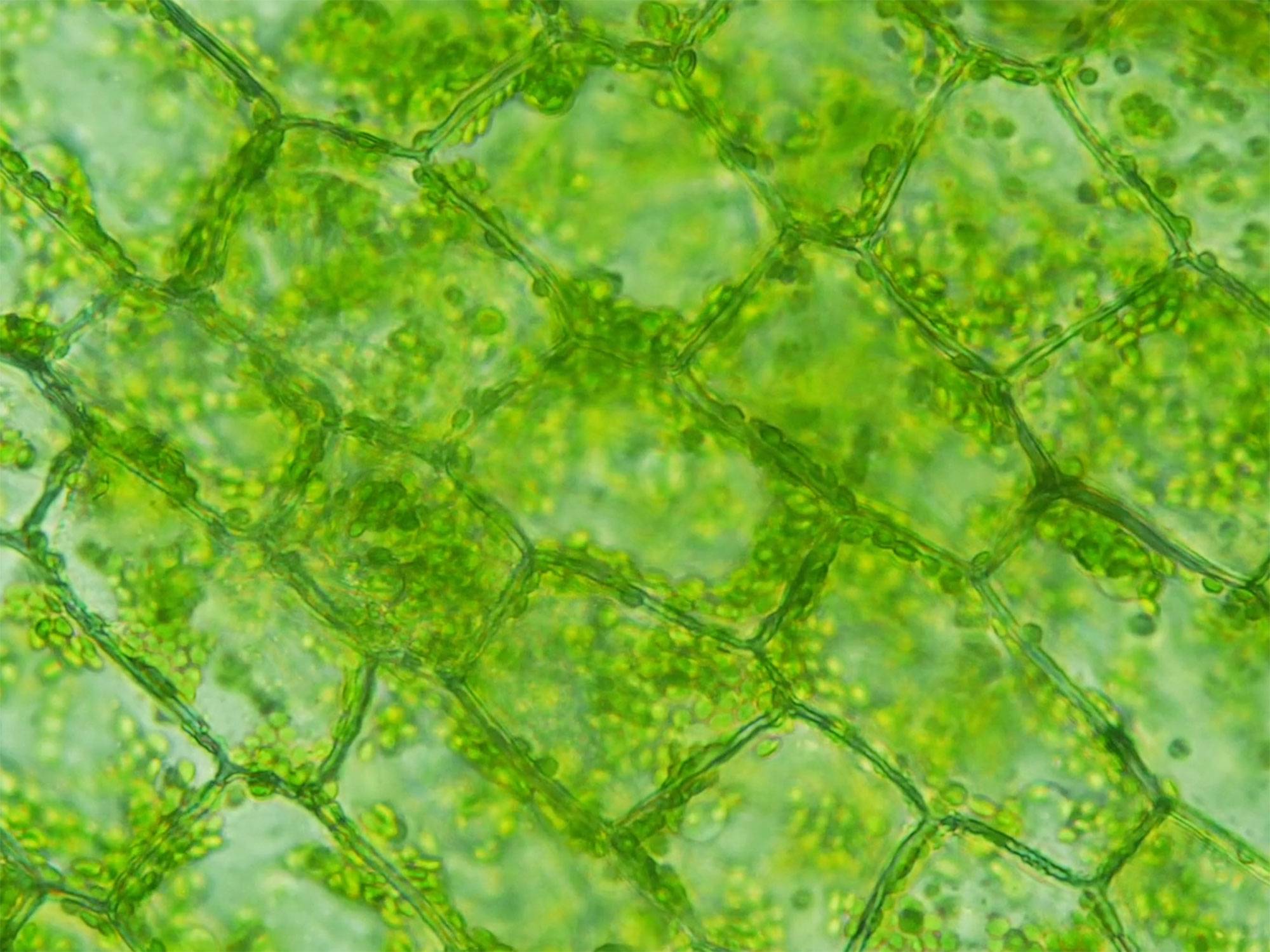
enzymes. In green plants, the cell wall
(CW) represents the dominant component of the ECM. It typically
consists of a load-bearing network of cross-linked fibrils, i.e.,
cellulose microfibrils tethered by hemicellulose, which are embedded
in a matrix of pectins and various proteins (e.g. extensins, arabinogalactan
proteins or AGPs) (Carpita and McCann 2000, O’Neill and York, 2003).
The CW is of paramount importance to the survival of the plant including
defense, regulation of cell expansion, adsorption of key ions and
the establishment of communication conduits for both symbionts and
pathogens. The plant dedicates a significant amount of its photosynthate
to the biogenesis of these CW components. The synthesis of CW polymers
is believed to entail the expression of over 1,000 genes. The cell
wall is also a highly dynamic structure that modulates in accordance
with both genetic and environmental cues and undergoes complex biochemical
and structural changes during development (Cosgrove 2005). CWs also
profoundly impact human society as they provide food, fibers, building
materials (Pauly and Keegstra 2008).
CGA cell walls and cell
coverings- The extracellular matrix of the CGA may
be categorized into three general structural types:
1.
SCALES: In the motile
phase of such organisms as Mesostigma viride or Chlorokybus
atmophyticus (i.e., zoospores) or Chara (i.e., sperm
cells), scales
coat the plasma membrane and/or flagellar membrane surfaces. To
learn more about scales, please click on the image to the right.
2.
EPS: Many CGA produce
large amounts of an extracellular
polymeric substance or EPS. The EPS typically appears
as a gel or “mucilage” and
is found outside the cell wall. To learn more about EPS,
please click on the image to the right.
3.
CELL WALLS:
CGA possess cell
walls (CWs) that have significant biochemical and
structural similarities to those found in land plants (Domozych
et al. 2007a, b, Eder and Lutz-Meindl 2008, Eder et al. 2008, Baylson
et al. 2001, Popper and Fry 2003). To learn more about
the CGA cell walls, please click on
the image to the right.
|