


A More In-Depth View of the Charophycean World...


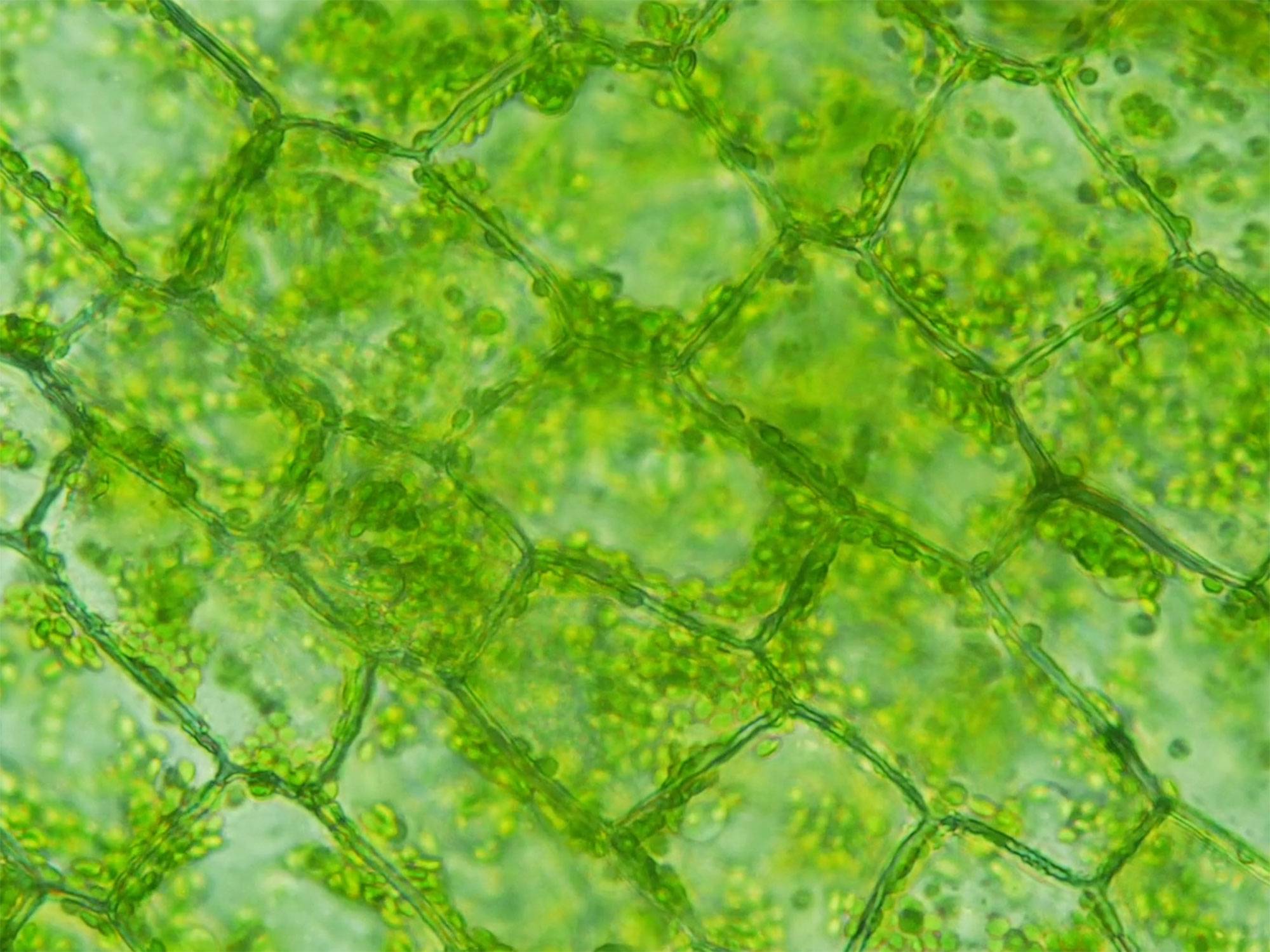
       The green algae are a diverse group of primitive chlorophyll a and b-containing eukaryotes that are commonly found in the photic zones of freshwater, marine and terrestrial habitats. The “Charophyceae” (Streptophyta, Viridiplantae) represent a distinct assemblage within the green algae from which all land plants evolved. The recognition of the Charophyceaen Green Algae, or CGA, as a distinct group, was first established during the 1970s-1980s (Mattox and Stewart 1984, Pickett-Heaps, 1975) and was based on ultrastructural and biochemical characteristics (e.g. flagellar appraratus structure, cell division mechanisms). Over the past two decades, modern molecular research has reconfirmed and refined earlier phylogenetic interpretations and has elucidated taxonomic and phylogenetic classifications of the taxa found within the specific subgroups of the CGA (Karol et al. 2001, Lewis and McCourt 2004, Turmel and Lemieux 2006, McCourt et al. 2004, Lemieux et al. 2007, Hall et al. 2008). Currently, six extant groups are recognized in the CGA including the Mesostigmales, the Chlorokybales, the Klebsormidiales, the Zygnematales, the Charales and the Coleochaetales.

   
For more references click CGA References here or in the left navigation menu.
           
               Subgroups of the CGA


         The Charophyceae consist of six extant clades or orders. To learn more about each group, please click on the appropriate image below.

Requires Flash Player (download here).

Chara

Charales
Colecochaete
Coleochaetes
Zygnematales
Zygnematales

Klebsormidiales

Klebsormidiales
Chloro
Chlorokybales
Mesostigmales
Mesostigmales

Back to CGA Home

CGA Home
Introduction
References
Galleries
CGA Cell Walls My Laboratory
Links
CGA for Pre College
Skidmore College
Department of Biology
Skidmore Microscopy Imaging Center