Skidmore College: Plant Biology

Faculty Profile
Kingdom of Plants  Research Courses Facilities Resources Photo Gallery

 
David Domozych

Catherine Domozych

Sue Van Hook


David Domozych

Professor of Biology in the Department of Biology

Other positions held: 1989-1990, Visiting Scientist, John Innes Institute, Norwich England, 1997-1998, Visiting Professor, Section of Plant Biology, Cornell University.

Courses taught at Skidmore: Economic Botany (BI 180), Plant Biology (BI 237), Plant Physiology (BI 337), Plant Biotechnology (BI 338), Marine Biology (BI 140), Biological Electron Microscopy (BI 311), A Green World (LS2)

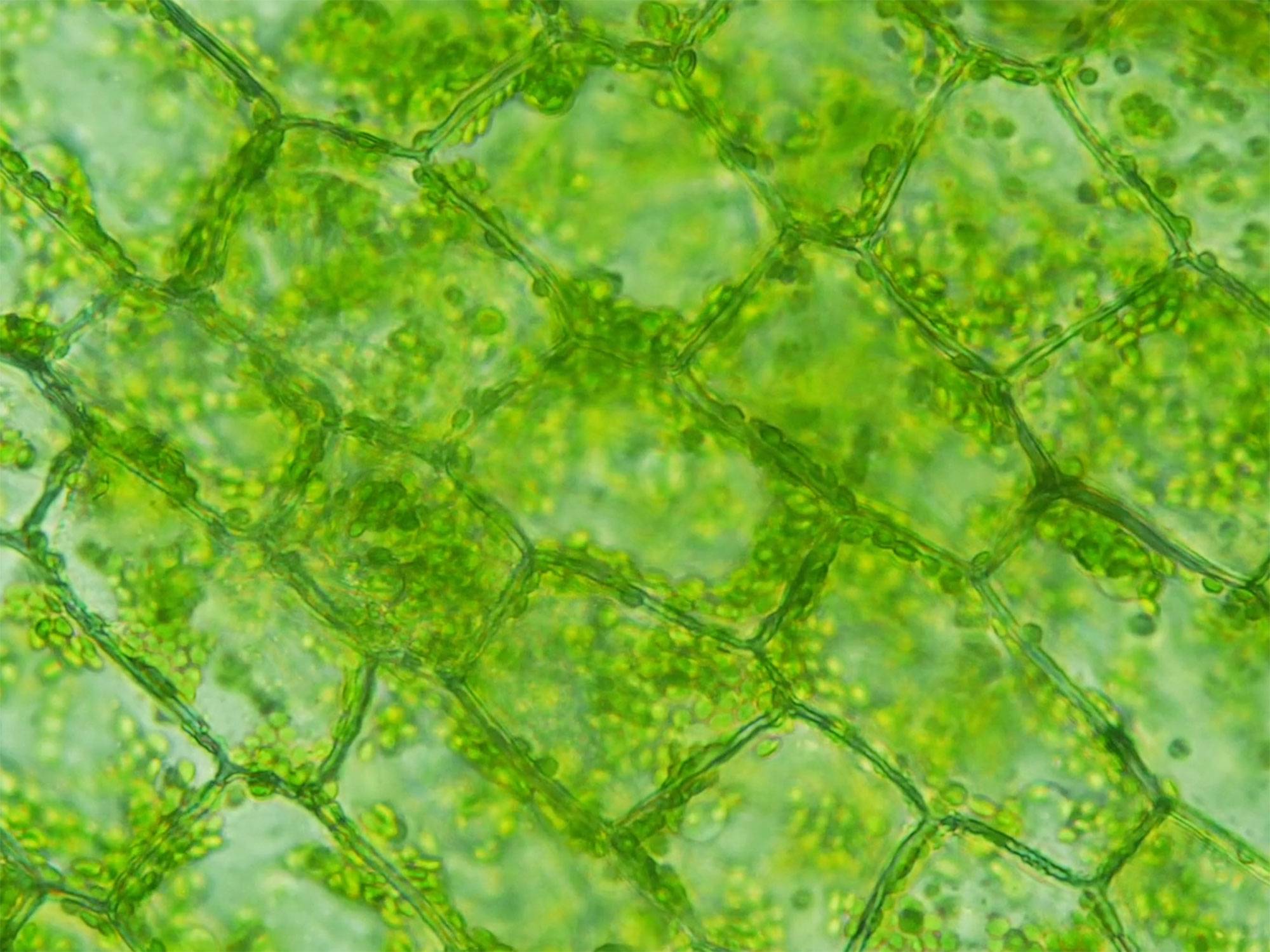
Research Interests: David Domozych is a plant cell biologist who studies the cell walls and secretory mechanisms in green algae. He is interested in the biochemistry and cell biology of cell wall components (esp. pectins) and the extracellular polymeric substances (EPS) especially as they function during the formation of biofilms in transient wetlands of the Adirondacks. Dr. Domozych's primary research tools include light, confocal laser scanning and electron microscopy, various biochemical techniques and immunocytochemistry. His research organisms are desmids. Desmids are large and beautiful green algae that secrete numerous cell wall and EPS macromolecules and use them in such behaviors as substrate adhesion and gliding. Many desmids also possess an extensive endomembrane system including more than a hundred Golgi bodies and thousands of different vesicles. In addition, they have a spectacular, actin-mediated cytoplasmic streaming mechanism which delivers the vesicles to specific points of the cell surface. Currently, his research work is involved with answering questions like:

  • How do various EPS macromolecules function in the adhesion, gliding and ensheathments mechanisms of desmids associated with biofilms?
  • How are various extracellular macromolecules processed in the plant Golgi Apparatus, packaged in specific vesicle types and released to cytoplasmic streaming mechanism?
  • How do particular vesicles get to specific sites on the surface for selected release?
  • What are the signal transduction moleculaes that control secretory mechanisms?

_______________________________________________________________________________________

Over the past year, some of the projects that his research students and he have performed include:

  1. isolation and characterization of secretory polysaccharides in desmids and subsequent antibody production.
  2. immunocytochemical (both light and electron microscopy) localization of secretory macromolecules within the cell
  3. the role of calcium and calmodulin on the secretory process.
  4. characterization of cytomotile proteins involved in secretion including actin, profilin and myosin.
  5. the role of extracellular polymeric compunds in desmid-associated biofilms.. _____________________________________________________________________________________
Dr. Domozych has published over 30 papers. Some recent publications include:
  • Domozych, D.S., Roberts, R., Danyow, C., Flitter, R., Smith, B. and Providence, K. (2003) Plasmolysis, Hechtian strand formation, and localized membrane-wall adhesion in the desmid, Closterium acerosum (Chlorophyta). Journal of Phycology 39: 1194-1206.
  • Baylson, F.A., Stevens, B.W. and Domozych, D.S. (2001) Composition and synthesis of the pectin and protein components of the cell wall of Closterium acersoum (Chlorophyta). Journal of Phycology, 37: 796-809.
  • Linde, J., Morse, L. and Domozych, D.S. (2001) Calmodulin and its role in the secretory apparatus of the desmid Closterium. International Journal of Plant Sciences, 162: 15-27.
  • Domozych, D.S. (1999) Disruption of the Golgi apparatus and secretory mechanism in the desmid, Closterium acerosum, by brefeldin A. Journal of Expermental Botany, 50: 1323-1330.
  • Domozych, D.S. (1999) Perturbation of the secretory network in Closterium acerosum by Na+-selective ionophores. Protoplasma, 206: 41-56.
  • Lynch, T.M., Lintilhac, P.M. and Domozych, D.S. (1998) Mechanotransduction molecules in the plant gravisensory response: amyloplast/statolith membranes contain a §1-integrin-like protein. Protoplasma, 201: 92-100.
   

Kingdom of Plants   Research Courses Facilities Resources Photo Gallery
Biology Home  Skidmore College Home