Research Opportunities in Biology


Introduction

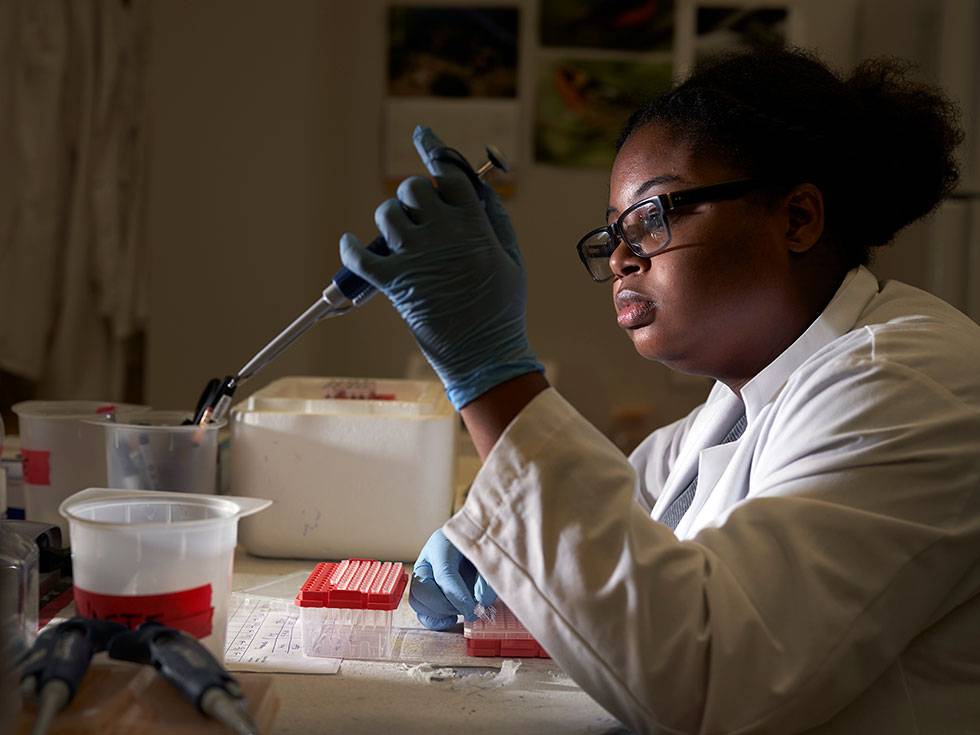
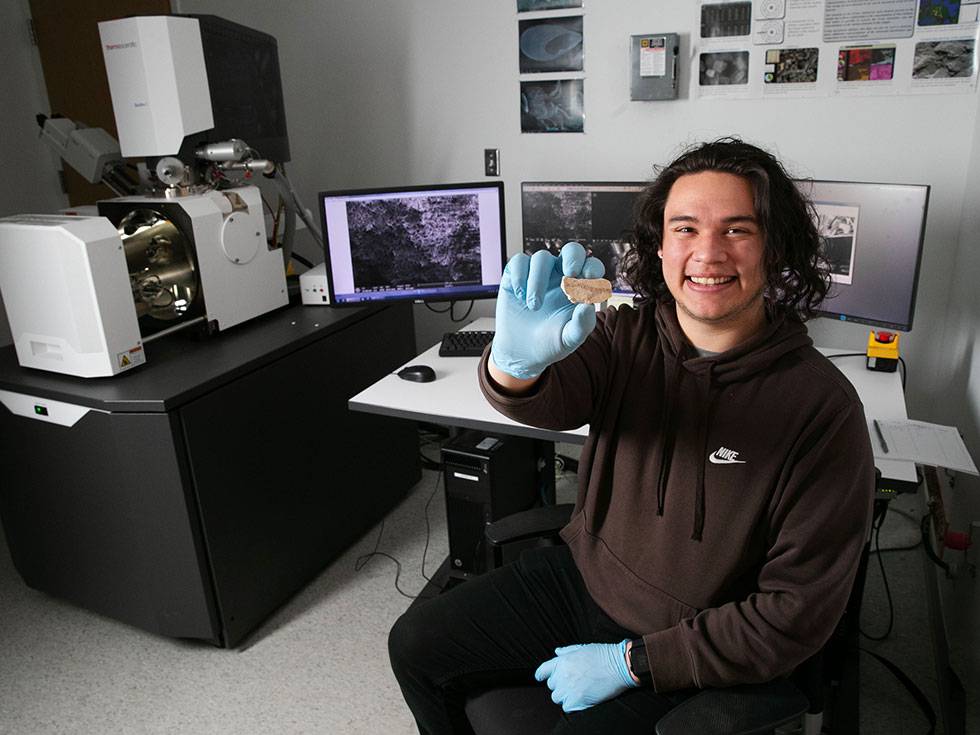
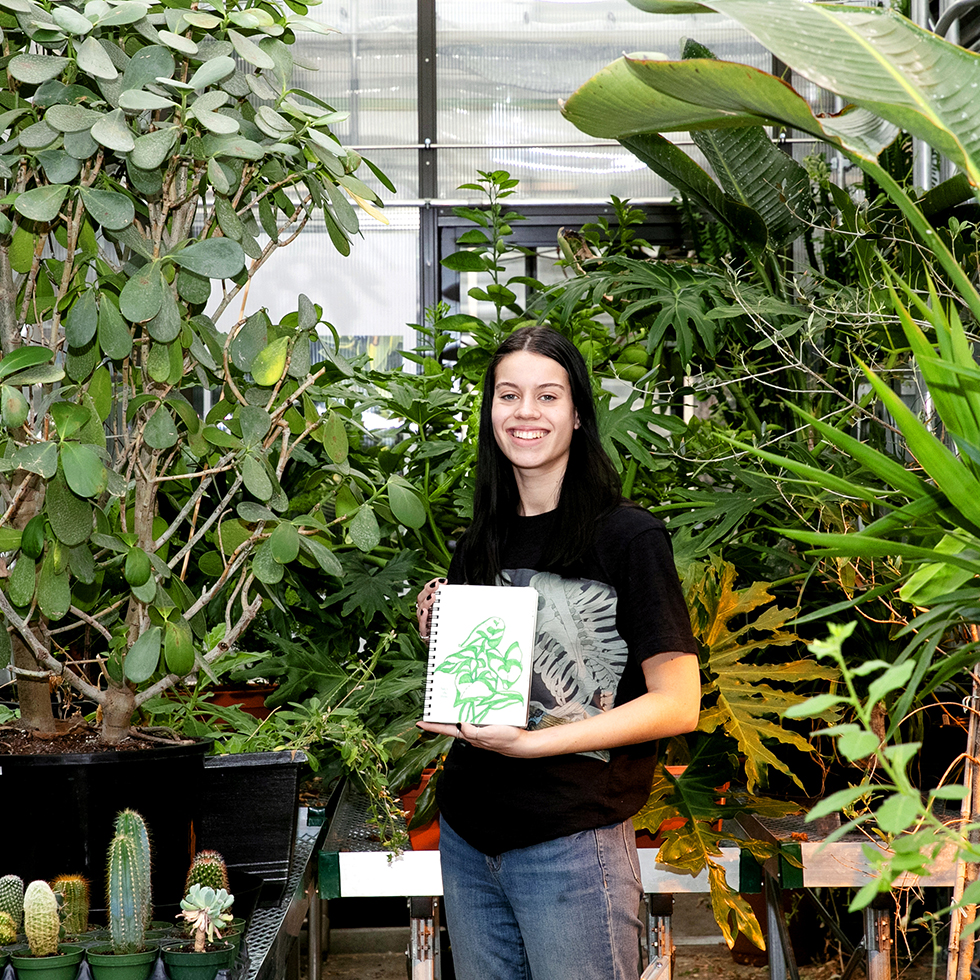
Research is of fundamental importance to Biology. Only through such investigations can biologists learn about the living world that surrounds us. The Department of Biology offers several opportunities for students interested in doing research. These opportunities provide close collaboration between the student and faculty sponsor. Often, research projects result in joint presentations at scientific meetings and/or joint publications in scientific journals.

How to Get Invoved in Research

First, carefully analyze the idea. Determine what areas of research might interest you: Cell Biology, Molecular Biology, Ecology, Tissue Culture, Plant Studies... It is important to contact and discuss particular research possibilities with individual faculty members. To find out more about research possibilities, please go to the Faculty and Staff page. Find out about necessary commitments in the laboratory, field, and library. Learn of the specifics of particular projects. Also, attend Senior Seminar (BI 377/378 Thursdays from 4-5pm) presentations and learn what other students and outside scientists are doing in their research.

 Second, ask yourself if you have sufficient time to commit to a research project. While different projects have different time commitments, realize that research involves careful budgeting of your time. It is not unlike the time commitment an athlete must devote to a particular sport. Talk to potential faculty sponsors and determine time requirements for specific projects.

 Third, plan ahead. Determine which semester would be best for your research commitment. Some students wish to start research in their sophomore or junior year, while others wait till their senior year. Please note that registration for research courses (see below) occurs at pre-registration time. For BI 385, this includes and application form that must be approved by the department faculty. So start early in planning your research--at least several weeks before pre-registration.

Courses that Deal with Research

BI 275 Research in Biology

BI 385 Research Methods in Biology

BI 371 Independent Study:
An opportunity for students to pursue in depth specialized topics not available through regular course offerings. This is offered without a laboratory/field component. Prerequisite: agreement by a faculty member to serve as a tutor, topic acceptable to both student and tutor, and permission of the department. Biology majors may take either BI 371 or 385 only once to substitute for a 300-level biology course requirement. 3 hours

Faculty Research Interests


Dr. Bernard Possidente
Office: Dana 343, Ext. 5082, bposside@skidmore.edu

Dr. Possidente's general research area is the analysis of biological clocks underlying the expression of circadian (daily-endogenous) rhythms using mice and fruitflies as model systems: manipulation of rhythms in mice and fruitflies with genetic, pharmacological and photoperiod treatments in order to identify and understand the functional properties of circadian systems in relation to genetic, physiological and behavioral mechanisms.


Dr. Monica Raveret Richter
Office: Dana 370, Ext. 5083, mrichter@skidmore.edu

Dr. Raveret-Richter’s research is on the behavioral ecology of foraging and mate choice, and on issues in conservation biology. Her field studies focus on social insects, butterflies and their hostplants, and birds. In her laboratory, insects, fish, birds and lizards are potential research subjects for a variety of behavioral and ecological inquiries.


Dr. David Domozych
Office: Dana 382, Ext. 5075, ddomoz@skidmore.edu

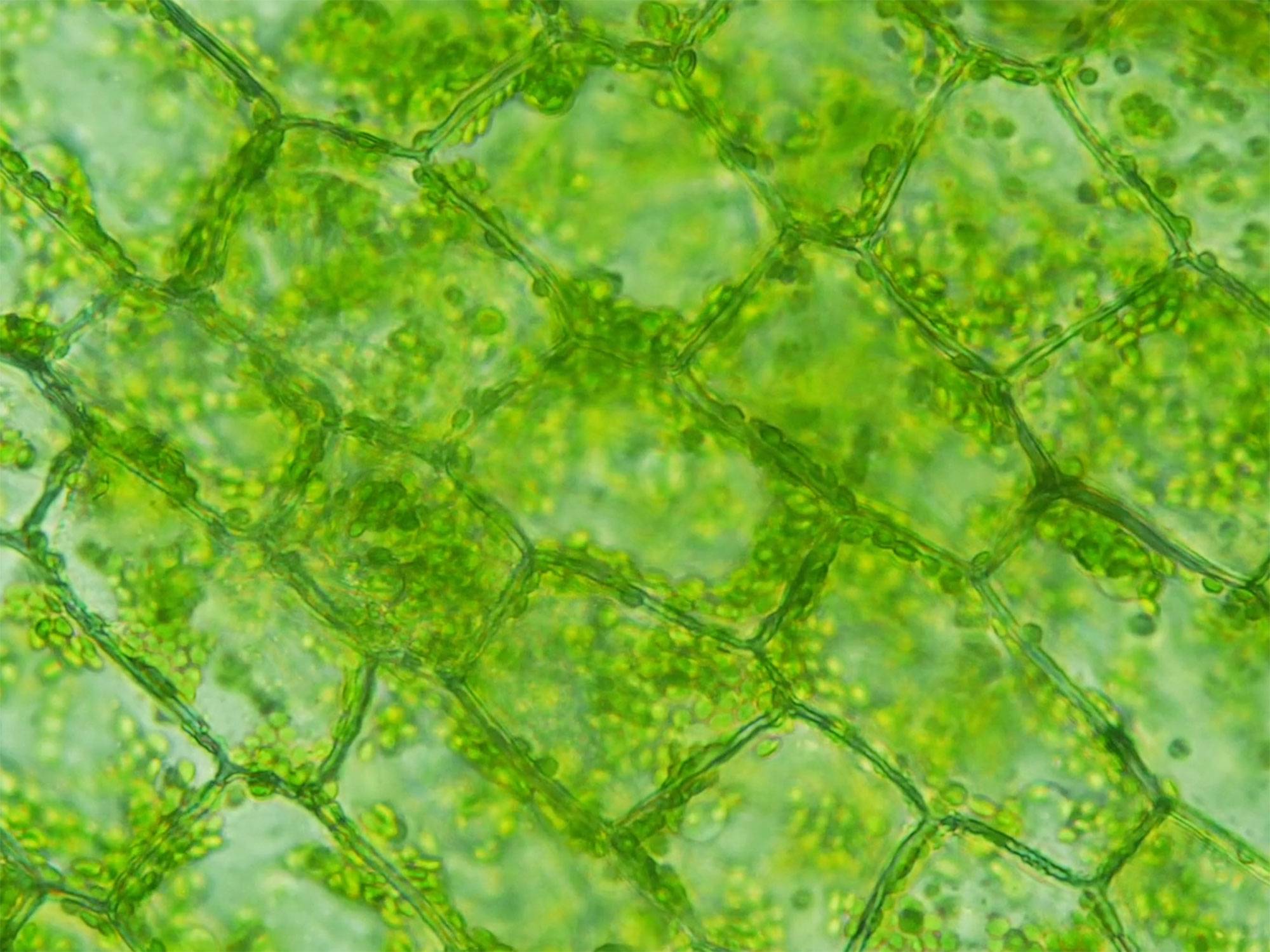
David Domozych is a plant cell biologist who studies the extracellular matrix of primitive green plants. His two main interests include the evolution of cell wall polymers in charophycean green algae and the biochemistry/function of algal extracellular polymeric substances in biofilm dynamics of freshwater wetlands. His primary tools include electron microscopy, including cryofixation and immunocytochemical labeling, confocal laser scanning microscopy, high-resolution light microscopy and biochemistry. Recently, his lab has collaborated with researchers from the University of Copenhagen and Michigan Technological University in a project dealing with the biochemical characterization of pectins and arabinogalactan proteins from green algae.


Dr. Corey R. Freeman-Gallant
Office: Dana 372, Ext. 5086, cfreeman@skidmore.edu

Dr. Freeman-Gallant’s research uses field and molecular techniques to explore the evolution of ecologically important traits in birds. In the field, he combines observational and experimental work with color-banded individuals to describe the selective environment shaping avian life histories. In the laboratory, he uses hypervariable genetic markers to describe patterns of gene exchange within and between populations. Current projects with Savannah sparrows (Passerculus sandwichensis) and common yellowthroats (Geothlypis trichas) include a long-term study of their behavioral and evolutionary ecology, a characterization of their genetic population structure at local and continent-wide scales, an assessment of the adaptive significance of female mating infidelity, and a study of multiple male ornamentation.


Dr. Roy Meyers
Office: Dana 345, Ext. 5079, 4390, rmeyers@skidmore.edu

Animals making the transition from water ventilation to air breathing (transitional vertebrates) face multiple physiological challenges. Dr. Meyers' lab focuses primarily on the evolutionary physiology of the cardio-respiratory system in such transitional vertebrates. These studies evaluate blood flow changes in central vessels during diving and air-ventilation episodes in amphibians and reptiles and evaluate the neural control of the associated systems. For example, the control of the heart rate in response to diving in the painted turtle is under investigation. The lab also has an interest in evolutionary physiology of acid-base balance in vertebrates.


Dr. Josh Ness
Office: Dana 319, Ext. 5080 , jness@skidmore.edu

Dr. Ness is a community ecologist interested in plant-animal interactions. Much of his research focuses on mutualisms (reciprocally beneficial interactions between two species) and biological invasions (the disruption of communities by non-native species). Mutualisms and biological invasions are both common phenomena, although ecologists and conservation biologists are just beginning to appreciate how biological invasions alter important mutualisms within the invaded communities. He is particularly interested in studying mutualisms between ants and spring-flowering herbaceous plants (ants disperse their seeds) and tracking biological invasions in the North Woods.

Dr. Sylvia Franke
Office: Dana 317, Ext. 5076, sfranke@skidmore.edu

The focus of Dr. Franke's research is different aspects of how bacteria interact with different transition metals which might or might not be essential for life. For example, copper and silver have long been known to have antimicrobial effects. In a time of increasing antibiotic resistance in pathogenic bacteria, the use of metal surfaces to limit bacterial growth becomes more and more important (e.g. in hospitals, food industry). However, several bacteria have mechanisms which enable them to survive on these metal surfaces. So, one part of her research focuses on copper/silver resistance mechanisms in bacteria.
On the other hand, many of these transition metals are essential for life. Another aspect of her research is how the bacteria assure that enough metal ions are taken up and how, in case of Salmonella typhimurium and zinc ions, the availability influences virulence of this bacterium.

Dr. Pat Hilleren
Office: Dana 321, Ext. 8301, phillere@skidmore.edu

Quality control and kinetic processing of RNA in Eukaryotic cells; relevant to functional expression of genetic information and to medical disorders caused by defects in RNA processing (regulation, transcription, splicing, editing, transport, turnover, etc.) using yeast as a model organism.

Dr. Jennifer Bonner
Office: Dana 347, Ext. 5089, jbonner@skidmore.edu

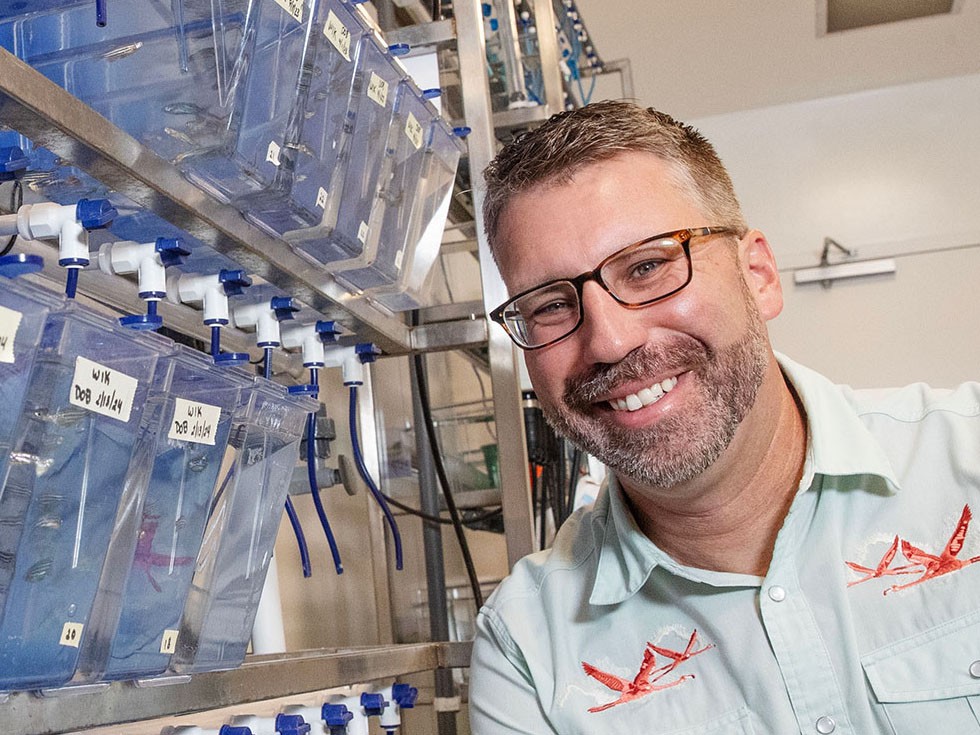
In order for the nervous system to function properly, neurons must make specific connections with their targets, which can be great distances away. Dr. Bonner's research is focused on the mechanisms that are essential for axon guidance during nervous system development. Using zebrafish as a model system, she is using genetic and gene knockdown approaches to identify what genes are important for axon guidance, and how these genes may act together to lead neurons to their targets.


Summer Collaborative Research

Over the past decade, Skidmore College has sponsored a summer collaborative research program. This program has been sponsored by various private donors and the school itself. In this program, student-faculty teams design and implement a ten-week, full-time research project (usually running from late May to late July/early August). This intensive research project allows student and faculty to thoroughly delve into field and laboratory research. During the tenure of this program, students are provided with free room and board and a stipend of $1550. Research teams occasionally meet during the summer to discuss the status of their projects. Often the results of this program lead to publications and presentations.

 The Summer Collaborative Research program is competitive. Applications for this program are available through the Dean of Faculty's Office and the Biology Department chairperson. They are usually due in mid-February. So be sure to investigate possible summer research projects with potential faculty mentors well before the application deadline.