Students at the Club Fair
Student Government Association
Working for a Better Skidmore
Information & Resources

Projects and Initiatives
View the project tracker for an overview of what the Student Government Association
is working on and has completed in the past.

Meeting Agendas and Minutes
View records of the discussions, decisions, and actions taken during our important
meetings.

Share a Concern
Share a comment or suggestion with the SGA Leadership team. All messages will be shared
with the SGA President and the Office of Leadership Activities.

Skidmore College
Welcome to the Student Government Association
The Skidmore College Student Government Association (SGA) is the official governing
body of students at Skidmore College. We aim to implement programs, events, and policies
that establish and maintain high standards of community life, academic scholarship,
responsible citizenship, and personal growth.Get Involved!
From outdoor clubs to performance groups and much more, with nearly 100 student clubs
to choose from, you’re sure to find your niche.
SGA Leadership
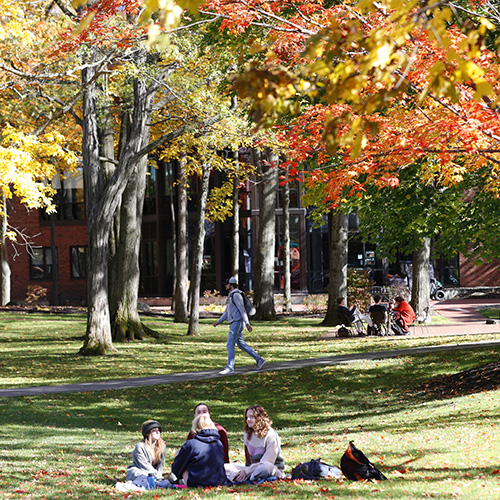
Executive Committee
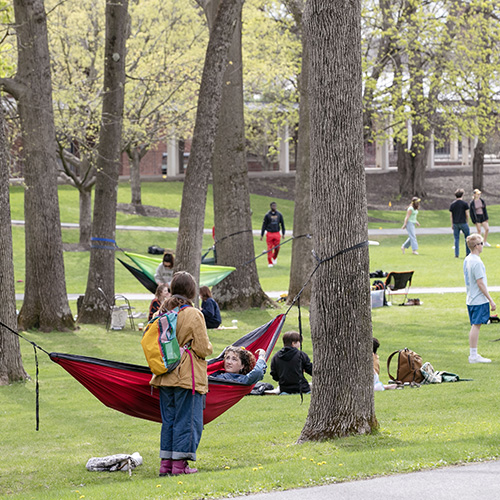
Senate
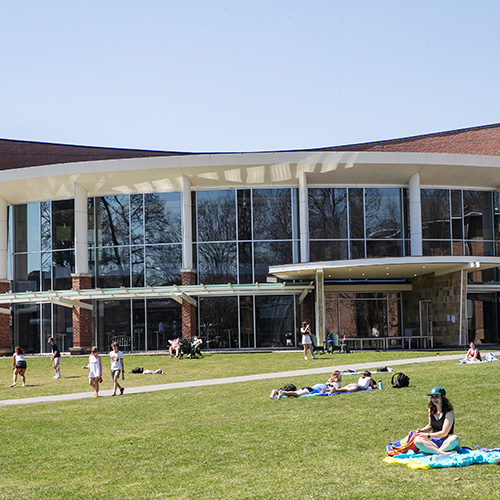
Judicial Board
Judicial Board
The judicial authority of SGA is vested in the Judicial Board and the Appeals Board.
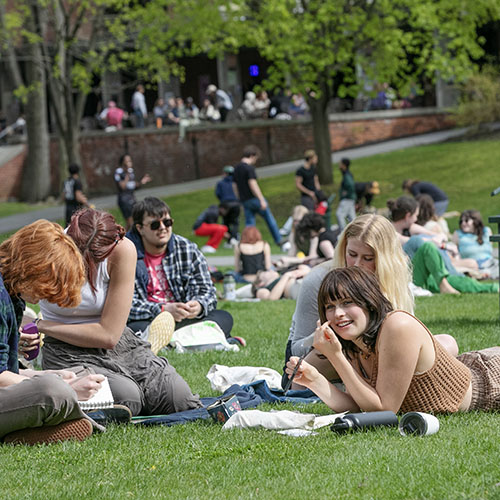
Events Council


