Skidmore College Search |  Calendar |  A-Z Index
Sun Apr 7 11:41 AM EDT
  Home  |   Prospective Students  |   Current Students  |   Faculty & Staff  |   Parents & Friends |  Alumni
Mission Statement

Faculty Coordinators


CONTACT INFO


Karen Kellogg
kkellogg@skidmore.edu
518-580-5198


STANDARD MAIL

Skidmore College
815 North Broadway
Saratoga Springs
New York, 12866


SKIDMORE PHONE

518-580-5000


Arts and Literature l Campus Sustainability | Community Perspectives | Development | Economic Analyses | Ecosystem Analyses | Education | Energy | Food Systems | Geology of the Watershed | Green Architecture | Green Business | History of the Watershed | Invasive Species | Land Use Patterns | Public Policy | Recreation | Transportation | Water Quality | Back to Projects

Student Projects and Collaborative Research by Theme (2004-2011)

Arts and Literature

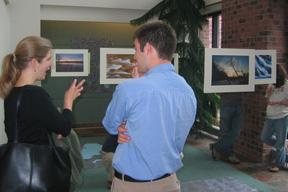
Natural and Human Influences on the Saratoga Lake Watershed: A Photographic Analysis
Josh Gerritsen and Adam Wallace (2006)

This project used photography to explore the natural and human influences on the Saratoga Lake watershed. Starting at the headwaters of Kayaderosseras Creek and ending at the Saratoga Lake outflow at Fish Creek, this exhibition provides a visual context for understanding the competing interests that affect the surrounding watershed. 

Environmental Truths Through Fiction: Water, Stewardship, and the Saratoga Lake Watershed
Hugh Kramer (2007)

This project used placed-based environmental fiction to present differing perspectives on water and stewardship within the Saratoga Lake watershed. The ultimate aim was to dramatize hydrologic issues and perspectives in the watershed using three short fiction stories while remaining factually accurate to the environmental and social realities of the region.

Development on an Interactive Website for the Water Resources Initiative
Adam Wallace '06, Michael C. Ennis-McMillan, Department of Anthropology, Karen Kellogg, Department of Biology and Environmental Studies Program, and Alison Barnes, Department of English and Tang Teaching Museum and Art Gallery
(2006)

This project consisted of designing an interactive and artistic website as an outreach and educational resource for the Water Resources Initiative. WRI is an interdisciplinary, community-based initiative that studies water issues in the local region. Each page of the website incorporates visual elements to create an engaging aesthetic that allows community members, Skidmore students and faculty, and local organizations to understand interactions in the Saratoga Lake watershed.

waterways

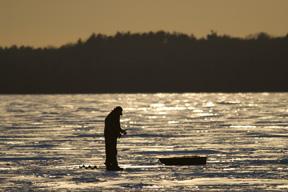
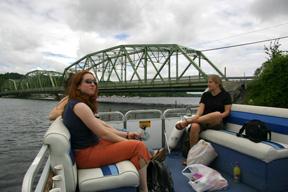
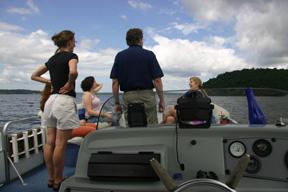
Waterways:  A Photographic Exploration of Human Presence in the Saratoga Lake Watershed
Andrew Plotsky (2009)

Waterways is a photo essay of people in the Saratoga Lake Watershed. Using the style of environmental portraiture, Waterways features fourteen human subjects from various backgrounds to represent a cross section of the diversity of the watershed. The project illuminates the complex and nested relationships that exist within a watershed.


Return to Top
Campus Sustainability
plow

Composting at Skidmore: Turning our Waste into a Resource
Will Coffey and Nadine Dodge (2010)

Skidmore College produces a substantial amount of organic waste in the form of food scraps, horse manure, and lawn maintenance byproducts that present both economic and environmental concerns to the College. We conducted a comprehensive study to ascertain how these wastes can be turned into a valuable economic and environmental resource through composting. After completing a study of composting at peer institutions, analyzing available composting technologies, and conducting a cost-benefit analysis, we determined that a windrow composting system will be the most cost-effective waste management system for Skidmore. The final result of our project is a detailed proposal that outlines how such a system can be implemented.

Skidmore

Sense and Sustainability: An Assessment of Skidmore's Sustainable Development
Julia Brenner and Christina Puerto (2011)

Skidmore’s sustainability efforts have steadily evolved in their number, complexity, and scope. We constructed the first comprehensive list of sustainability initiatives at the college. We also assess their impact on promoting environmental literacy, increasing the role of environmental considerations in decision-making, and reducing the impact of our physical operations.

dhall

Local Food from Farm to School: Investigating the Skidmore Dining Hall's Local Partnerships
Maranda Duval and Jesse Moy (2011)
 
The Skidmore College Dining Hall has joined the local food movement by forming partnerships with nearby farmers, processors, and distributors. In this study, we investigate the history and effectiveness of these local partnerships and make recommendations on how to expand and improve them in the future.

Return to Top

Community Perspectives

A Stakeholder Analysis of Farmers In and Surrounding the Saratoga Lake Watershed
Erin Bukofsky, Nolan Crohn, Erin Kennedy, and Katie McEachen (2007)

We explored farmers’ perspectives on water and the Saratoga Springs water debate. Semi-structured, open-ended interviews with ten farmers revealed variation in opinions regarding environmental regulations and a future water source for the city of Saratoga Springs. Most farmers expressed concern over increasing development and stressed the value maintaining open space through the preservation of farmland.

Saratoga Lake vs. the Hudson River: Voter Preferences for the Future Saratoga Springs Drinking Water Source
Sarah Loomis and Julie Ringer (2007)

This project focused on Saratoga Springs residents’ opinions on future drinking water sources. We surveyed 313 registered voters in Saratoga Springs inquiring about their choice regarding the future drinking water source for the city. The survey uncovered correlations between source preference, respondents’ partisanship, and depth of commitment to the environment.

Projects and Perspectives that are Shaping Smart Growth in Malta, New York
Sophia Wiley (2008)

I examined the prospects for smart growth in Malta, New York by conducting analyses of projects Steeplechase at Malta and Luther Forest Technology Campus, and by conducting interviews with elected officials and stakeholders in Malta. My research has found that these projects and envisioned plans for growth simultaneously complement and deviate from the principles of smart growth.

Blessed with Water: Politicising Resource Management in a Water Rich Area of Upstate New York
Allison Stafford '07, Erin Black '06, Michael C. Ennis-McMillan, Department of Anthropology, and Karen Kellogg, Department of Biology and Environmental Studies Program (2005)

In recent years, Saratoga Springs, New York has experienced increased pressure on water resources, as the population increases and as water sources dwindle. We analyzed the potentially competing interests of civic groups, businesses and corporations, individuals and homeowners, and political officials from the city and county.  Water is viewed as a very powerful natural resource that potentially influences development, economic advancement, political positioning, and the City's composition and character.

Water Conflicts and Contradictions: Recreation and Invasive Species in Saratoga Lake
Molly Bergen '06, Leah Wohl-Pollack '08, Michael Ennis-McMillan, Department of Anthropology, and Karen Kellogg, Department of Biology and Environmental Studies Program
(2006)

Based on over forty interviews with informed county residents, we discovered that residents' perceptions of Saratoga Lake are influenced by their desire to protect their recreational interests, representing the economic and emotional value they place on Saratoga Lake.  We also learned that personal interaction with invasive species influences residents' perceptions of which species are problematic and which species management plans are desirable. Our study indicates that personal interests often overshadow environmental concern for Saratoga Lake.

The Saratoga Lake Watershed: Connecting Biodiversity and Community
Jonathan Betz ’09 and Chris Grassi, Visiting Assistant Professor of Anthropology (2008)

The proximity and local debates over the uses of Saratoga Lake and its watershed provide an opportunity to educate both the Skidmore and local community about the connections between water, local wildlife, people, and land use.  Therefore we are producing an educational film about the physical, biological, and social aspects of this watershed.  We have conducted 17 formal interviews and recorded over 30 hours of film.  These will be used to represent the ways in which people interact with the watershed and the interests of these different stakeholders.  We have identified themes within these perspectives that demonstrate links and conflicts in viewpoints. 

septic system failure

Septic System Survey of Residents of Loughberry Lake
Elizabeth Amira Kennedy Streeter (2009)

Unlike government run sewage treatment plants, septic system care and maintenance are the responsibility of individual homeowners.  Proper maintenance is essential to maintaining proper functioning and preventing water pollution.  To better understand behavior and septic maintenance practices, I conducted a survey of the residents who lived closest to the lake and also own septic systems.
lake survey

Saratoga Lake Landowner Survey:  Assessing Behaviors, Perceptions and Opinions
Andrew Clinard, Jennifer Hubert, and Bradford Nesbitt (2009)

Our survey of Saratoga Lake residents revealed that most respondents think water quality is acceptable and affects property values, but is threatened by invasive species. While opinions varied on who should maintain the lake, most opposed land use regulations. Future studies and public outreach should focus on these subjects.
implementation The Uneven Implementation of the Saratoga Lake Watershed Management Plan:  Priorities and Perceptions of Municipalities within the Watershed
Ryan Bailey and Lyndsay Strange (2009)

In 2002, a group of stakeholders created a Saratoga Lake Watershed Management Plan to protect and improve the watershed's resources. Despite this, implementation of the plan's recommendations has been very uneven throughout the watershed's municipalities. Through interviews with local town officials, we identify and explain the factors that affect the implementation of these programs.
rain garden

Current Stormwater Management in Saratoga Springs and the Challenges of Implementing Low Impact Alternatives
Allison Ruschp, Caitlin Frame, and Dani Rueter (2009)  

We explored the feasibility of incorporating low impact design into Saratoga Springs stormwater management program.  We interviewed developers, public works officials, planning board staff, city engineers, and state stormwater engineers to discover the challenges facing the implementation of low impact stormwater management. Saratoga Springs is close to meeting current federal standards but has no funding mechanisms for stormwater management; low impact design is being encouraged for new developments.

The Relationship Between Home and Nature: What Living Locations Can Tell Us About Environmentalism
Morgan Violette and Zach Rowen (2010)

A survey of 165 residents in Saratoga County examines the link between distinct residential areas and environmental perceptions and behaviors.  Residents were divided into four groups by living location: urban, suburban, rural and streams (homeowners with streams running through their property).  While actions and opinions varied depending on location, the general trend is that most people in the county spend a fair amount of time recreating outdoors and are environmentally conscious.

The "Greens" are Checking In: Assessing the New York State Green Hotel Partnership
Dana Leonard and Derek Stork (2010)

New York has identified a national shift in the hospitality and tourism industry to more environmentally friendly business practices, saving both operating costs and natural resources.  To influence this change, New York has established the Green Hospitality and Tourism Partnership and Certification Program. To achieve a comprehensive understanding and assessment of the Green Hotel Certification Program and Partnership, open-ended interviews were conducted to address every level of involvement with the program.  Through the interviews and extensive media coverage we have found that select hotels across New York are becoming ambassadors and are essential to the eco-tourism movement in New York.
farm

Critical Instability: Why We Need to Revolutionize Domestic Agriculture Before It's Too Late
Dash Hammerstein and Andrew Pfeifer (2010)

This study looks at issues concerning agricultural and farmland protection easements and farm viability in Saratoga County. Through in-depth interviews with 10 farmers, we have found that the Purchase of Development Rights (PDR) program is not an adequate tool to combat the recent and ongoing loss of local farms. Policies aimed at increasing farm viability, especially through the stabilization of milk prices and public education, are necessary to insure a future for Saratoga County agriculture.
malta

Why Don't Communities Choose Smart Growth? A Case Study of Public Deliberation over Planning Decisions in Malta, NY
Nicholas Liu Sontag and Andrew Noone (2011)

If sprawl is unsustainable, why do so few growing communities choose smart growth strategies? We assess Malta’s debate over planning and growth to analyze the quality of traditional forms of public deliberation. We also explored the potential of visual assessment forums to improve the quality of public deliberation on planning decisions.

Return to Top

Development

Potential Development in the Saratoga Lake Watershed
Betsy Quentin and Leigh Siegwarth (2007)

We explored where development is likely to occur in the Saratoga Lake Watershed. Using Geographic Information Systems (GIS) to compile zoning maps, land use maps, use schedules, and comprehensive plans, we projected areas that are prone to development. We conclude there is significant build-out potential in the watershed.

Projects and Perspectives that are Shaping Smart Growth in Malta, New York
Sophia Wiley (2008)

I examined the prospects for smart growth in Malta, New York by conducting analyses of projects Steeplechase at Malta and Luther Forest Technology Campus, and by conducting interviews with elected officials and stakeholders in Malta. My research has found that these projects and envisioned plans for growth simultaneously complement and deviate from the principles of smart growth.

https://owa.skidmore.edu/exchange/jgersie/Inbox/RE:%20Summer%20Research%20Presentations-2.EML/CountyMergeFacilityMap1.jpg/C58EA28C-18C0-4a97-9AF2-036E93DDAFB3/CountyMergeFacilityMap1.jpg?attach=1

Environmental Justice Along the Hudson River
Katarra Peterson ’09, Mary Rynasko ’11 and Rik Scarce, Associate Professor of Sociology (2008)

“Environmental justice” is an area of sociological study combining race, class, and the environment. It hypothesizes that minorities and the poor are disproportionately burdened by environmental hazards.  The goal of this project is to explore how environmentally just or unjust the Hudson River region is.  The research involves using geographic information systems (GIS) and U.S. Census Bureau data sets to map the locations of polluting facilities and the demographics of the neighborhoods around them.  Results are organized by facility type and have thus far indicated that the environmental justice hypothesis is accurate for the Hudson region.

local planning

The Capacity for Smart Growth in the Saratoga Lake Watershed:  A Study of the Local Planning Process
Rose Anderson-Gips and Amanda Peterson (2009)

Are municipalities in rapidly growing Saratoga County managing development to minimize environmental impact?  We reviewed comprehensive plans and surveyed and interviewed planning board members in twelve municipalities within the watershed and found a strong commitment to most smart growth goals, though a limited interest in regional planning.


A Watershed Approach to Land Conservation in the City of Saratoga Springs, New York
Dan Haro and Carolyn Raider (2010)

Saratoga is New York’s fastest growing county.  Population increase leads to residential and commercial development, resulting in habitat degradation and fragmentation.  Saratoga Springs provides conservation through its zoning ordinance, "the Green Belt." Our study identifies high priority sites to protect within Saratoga’s “Green Belt” conservation zone.  We identify the least developed watersheds as well as watersheds with the highest percentage of forest, wetland, open water, and grassland/shrub habitats.  We recommend replacing the current parcel-based approach to conservation with a more relevant and environmentally successful watershed approach.  We  also recommend additional protection for watersheds with a low percentage of development.

Implementation of Rain Gardens as Alternative Stormwater Management Technique in the Saratoga Lake Watershed
Eli Dibner-Dunlap and Vince Weeks (2010)

Rain gardens are modeled to reduce stormwater runoff by more than a third. Within the Saratoga Lake Watershed, 88% of existing residences contain soils suitable for rain garden implementation. Government regulation or economic benefit is necessary to incentivize developers.  Successful implementation examples are required to convince engineers to implement rain gardens.

Composting at Skidmore: Turning our Waste into a Resource
Will Coffey and Nadine Dodge (2010)

Skidmore College produces a substantial amount of organic waste in the form of food scraps, horse manure, and lawn maintenance byproducts that present both economic and environmental concerns to the College. We conducted a comprehensive study to ascertain how these wastes can be turned into a valuable economic and environmental resource through composting. After completing a study of composting at peer institutions, analyzing available composting technologies, and conducting a cost-benefit analysis, we determined that a windrow composting system will be the most cost-effective waste management system for Skidmore. The final result of our project is a detailed proposal that outlines how such a system can be implemented.

Shades of Green: The Environmental Sustainability of New Home Design and Build in the Saratoga Springs Region
Phoebe Gallagher and David Ornvold (2010)

In the United States, homes account for twenty percent of energy consumption. Saratoga County is one of the most rapidly growing in the state of New York. This growing population will need new homes. How homes are built now will directly effect the environmental sustainability of our community. We interviewed architects and builders in the region to see how sustainable their work is and what deters them from being more efficient and sustainable. Cost and lack of knowledge were found to be the primary hurdles.

farm

Critical Instability: Why We Need to Revolutionize Domestic Agriculture Before It's Too Late
Dash Hammerstein and Andrew Pfeifer (2010)

This study looks at issues concerning agricultural and farmland protection easements and farm viability in Saratoga County. Through in-depth interviews with 10 farmers, we have found that the Purchase of Development Rights (PDR) program is not an adequate tool to combat the recent and ongoing loss of local farms. Policies aimed at increasing farm viability, especially through the stabilization of milk prices and public education, are necessary to insure a future for Saratoga County agriculture.
malta

Why Don't Communities Choose Smart Growth? A Case Study of Public Deliberation over Planning Decisions in Malta, NY
Nicholas Liu Sontag and Andrew Noone (2011)

If sprawl is unsustainable, why do so few growing communities choose smart growth strategies? We assess Malta’s debate over planning and growth to analyze the quality of traditional forms of public deliberation. We also explored the potential of visual assessment forums to improve the quality of public deliberation on planning decisions.


GlobalFoundries

Balancing Economic Growth with Environmental and Social Concerns: Evaluating SEQRA Through a Case Study of Global Foundries
Korena Burgio and Evan Caster (2011)

New York State sought to revitalize its economy by attracting semiconductor manufacturing to the Upstate region by competing globally for Global Foundries' newest microchip fabrication facility, Fab 8. Our analysis explores the role New York’s State Environmental Quality Review Act (SEQRA) in evaluating the comprehensive economic, environmental, and social impacts associated with Fab 8’s construction and operations in Malta, NY.

Green Roofs

Green Roofs in the Saratoga Lake Watershed: Sedums of Change
Isobel Flake and Devin O'Donoghue (2011)

Our project examines the perceived obstacles and benefits of green roof implementation. Through case study analyses of Wilton and Skidmore College, we evaluate the financial implications of green roofs, and their influence on stormwater management, carbon sequestration, and energy efficiency.

Return to Top
Economic Analyses

An Analysis of the Kayaderosseras Creek as an Economic Resource
Becky DiSciacca and Lexie Reiss (2005)

In this study, we have adopted an economic perspective to better understand the relationship between human activity and the natural ecosystem resources in the Kayaderasseras Creek watershed. A general overview of the economic benefits of ecosystem services in addition to a more specific focus on several ecosystem functions, namely aesthetics as well as tourism and recreation, help form a basis for understanding larger economic trends in this natural boundary area.

Recreation, Economic Status, and Proximity to Saratoga Lake: Saratoga Springs Residents' Views of Municipal Water Sources
Caroline Bergelin and Jennifer Marks (2006)

We used a survey to examine Saratoga Springs residents' views of proposals to develop new municipal water sources. Analysis of survey data show that recreational activities, household economics levels, and varying distances from Saratoga Lake influence how individuals value Saratoga Lake as a key aspect of environmental and social sustainability.

Impact of the New Water Pricing Structure across Various Residential Economic Sectors in Saratoga Springs
Elizabeth Brier-Rosenfield and Elizabeth King (2006)

This study assessed the impact of Saratoga Springs' new water pricing structure on water use in residences of varying household income. We found little change in water use habits and found that only residents from the highest economic bracket reported significant increases in their water bills.

The Economic Impact of Recreation on Saratoga Lake and Threats to Its Long Term Viability: The Perspective of Local Businesses
Jonathan Clarke and Peter Suneson (2007)

Much of the speculation about the use of Saratoga Lake as a drinking source has focused on its potential impact on businesses dependent on recreational activities on the lake. We surveyed owners of businesses on Saratoga Lake to derive the economic impact of recreation. We also conducted open ended interviews of business owners to ascertain what they viewed as long term threats to the vitality of the lake.

The Impact of Pricing Reform on Water Consumption in Saratoga Springs
Jonathan Greene and Ben Krasnick (2007)

Economists contend underpricing of scarce natural resources, like water, leads to overconsumption. This study explores how the shift in water pricing has affected residential water consumption in Saratoga Springs using household level data from 2003-2007.

Composting at Skidmore: Turning our Waste into a Resource
Will Coffey and Nadine Dodge (2010)

Skidmore College produces a substantial amount of organic waste in the form of food scraps, horse manure, and lawn maintenance byproducts that present both economic and environmental concerns to the College. We conducted a comprehensive study to ascertain how these wastes can be turned into a valuable economic and environmental resource through composting. After completing a study of composting at peer institutions, analyzing available composting technologies, and conducting a cost-benefit analysis, we determined that a windrow composting system will be the most cost-effective waste management system for Skidmore. The final result of our project is a detailed proposal that outlines how such a system can be implemented.

Stewart's
"We Are Closer to You": Stewart's Shops and Corporate Social Responsibility
Harrison Shulman and Jim Turley (2010)

We studied the workings of Stewart's Shops to determine the practices that have enabled them to be successful in business while maintaining a positive relationship with the communities in which they operate stores as well as a low environmental impact.  We have discovered that Corporate Social Responsibility does not have to be driven by a desire to strictly avoid risk, develop a marketing strategy or target a niche market.  In the case of Stewart's Shops, Corporate Social Responsibility has been the result of their desire to make money and stay in business one hundred years from now. 
STP

From Waste to Energy: A Conceptual Analysis of Anaerobic Digestion at the Saratoga County Sewer District #1 Plant
Laura Adelman and Davide Gill-Austern (2011)

We conducted a conceptual analysis of a potential anaerobic digestion installation at the Saratoga County wastewater treatment plant as a waste to energy solution. We concluded that an anaerobic digester would prove beneficial to the plant based on long term environmental, social, and economic benefits.

Finch

Finch Paper: Going Green
Michael Jennings and Doug Yeates (2011)

Why is Finch Pruyn, one of the largest remaining paper companies in the Adirondacks, seeking to reduce their carbon and wastewater emissions as well as manage their forest lands more sustainably? We examine the impact of outside stakeholders in making environmental considerations an important component of Finch’s long term competitive strategy.

Return to Top

Ecosystem Analyses

The Distribution and Accumulation of Copper in the Bottom Sediments of Loughberry Lake, Saratoga Springs, NY
Noah Novotny, Leah Wohl-Pollack, and Whitney Eliot (2008)

Copper sulfate has been used for over 40 years in Loughberry Lake as an algaecide. This project analyzed copper concentrations in sediment samples extracted from cores taken from Loughberry Lake. We determined if and how copper has accumulated in the bottom sediemnts over time and related it to copper sulfate application history in order to better understand copper's possible impact on the lake ecosystem.


Copper Concentrations in Five Freshwater Species from Loughberry Lake, Saratoga Springs, NY
Charles Gouin and Matthew Helterline (2008)

We examined the concentration of copper in the tissue of five aquatic species in Loughberry Lake, and three species from Lake Lonely. The species belong to various trophic levels, allowing us to detect any evidence that copper is biomagnifying. We examined muscle and skin tissue separately from the organ tissue so that these concentrations could be compared.


Impacts of Copper Sulfate on the Feeding Efficiency of Juvenile Bluegill Sunfish
Elizabeth Stoner and Elizabeth H. White (2008)

Dissolved copper can damage the olfactory and visual systems of fish at low concentrations. We examined the impact of copper sulfate, a common algaecide, on the foraging behavior of juvenile sunfish. Foraging efficiency influences fish health and food web dynamics, and therefore can suggest changes in ecosystem functioning.


The Impact of Turbidity on Sunfish Foraging Efficiencies
Jon DeCoste '05, Doug Morin '07, Jorie Pollak '04 and Conor Taff '05
(2005)

We conducted a series of experiments to evaluate the impact of various turbidity levels on juvenile bluegill sunfish foraging efficiencies.   We found that foraging efficiencies are highest at intermediate turbidity levels, and drop significantly at low and high turbidity levels.  We hypothesize that the decrease in foraging efficiencies in clearer water is due to predator avoidance, while the decrease in foraging efficiencies at higher turbidity levels is due to the poor visual environment.

Distribution and Ecology of Riparian Invaders in the Upper Hudson Watershed
Emily Rollinson ’09, Dan von Allmen ’09, and Josh Ness, Assistant Professor of Biology (2008)

Japanese knotweed (Fallopia japonica) is a water-borne exotic weed currently invading the riparian zones in the United States and Europe.  We mapped the distribution of knotweed in nine Upper Hudson watersheds, and discovered that invasions were more common in larger streams (third to fifth order) and along the depositional banks of meandering stream reaches.  We attribute both patterns to within-stream increases in the delivery of plant fragments.  We also found that knotweed-invaded riparian zones differed from their non-invaded counterparts, with fewer herbaceous species, fewer woody seedlings, and less light reaching the forest floor.  These invasions may reconfigure riparian communities.

Impact of Invasive Diatom on Stream Food Web and Community Structure
Hannah Harris ’10, Emily Stulik ‘10, and Cathy Gibson, Assistant Professor of Environmental Studies (2008)

In the summer of 2007, Didymosphenia geminata, an invasive algae also known as “rock snot” was found on the Batten Kill River near Salem, NY.  Previous research has shown that invasions of D. geminata can alter the structure of the macroinvertebrate community by contributing to the decline of other species such as mayflies, stoneflies, and caddisflies.  To determine the impact of the invasion on the macroinvertebrate community of the Batten Kill, we sampled four similar sites with varying levels of invasion.  Both the diets and the community structure of D. geminata were analyzed.  Preliminary results suggest that some species may be capable of limiting the growth of D. geminate through grazing, and that the presence of D. geminata, even at low levels, decreases the abundance of macroinvertebrates in the river.

crayfish

Concentration and Distribution of Copper in Crayfish in Loughberry Lake
Benjamin Alley (2009)

Copper sulfate is added to Loughberry Lake to control algae.  I examined the geographic distribution of crayfish copper concentrations in Loughberry Lake and looked for evidence of accumulation within the crayfish.  Crayfish from three locations on the lake were analyzed for copper to examine geographic distribution, and five crayfish of various sizes were examined from one location to examine accumulation.
leaf litter

Breaking it down:  The Influence of Relative Nitrogen and Phosphorus Availability on Leaf Litter Decomposition and Macroinvertebrate Communities in Two Small Streams within the Saratoga Lake Watershed
Alicea Cock-Esteb and Hannah Harris (2009)

When leaves fall into streams, they are incorporated into the food web through consumption by microorganisms and macroinvertebrates. Our study examined how the relative availability of nitrogen and phosphorous influenced the rates of leaf litter decomposition via macroinvertebrate communities and microbial respiration in two small, wooded streams in the Saratoga Lake Watershed. We found that a higher relative availability of nitrogen and phosphorous corresponds to higher decomposition rates although the macroinvertebrate community seems to be more influenced by other factors.

knotweed

Weather or Knot:  The Impact of Natural and Anthropogenic Disturbances on Japanese Knotweed
Daniel von Allmen, Peter Leipzig-Scott, and Erin Kenison (2009)

Japanese knotweed is an aggressive invader of riparian habitats.  Our study investigates how natural and anthropogenic disturbances, including flooding, human land use and natural stream channel migration, affect the distribution of knotweed.  These disturbances had differing effects on knotweed presence. A large percentage of plants were damaged over winter months, which may contribute to plant fragmentation and subsequent dispersal.
beavers

The Influence of Beavers on Sediment Storage and Stream Turbidity in the Saratoga Lake Watershed
Stephanie Abrams, Lindsay Bourgoine, and Alexandra Furman (2009)

This study examines the repopulation of beavers within the Saratoga Lake Watershed through pond density and how their ecosystem engineering has geomorphically impacted water bodies. The three beaver ponds investigated stored large quantities of sediment and the amount of suspended particles decreased downstream of the ponds. Therefore, increases in pond density result in changes in the way sediment is stored in the watershed.

A Watershed Approach to Land Conservation in the City of Saratoga Springs, New York
Dan Haro and Carolyn Raider (2010)

Saratoga is New York’s fastest growing county.  Population increase leads to residential and commercial development, resulting in habitat degradation and fragmentation.  Saratoga Springs provides conservation through its zoning ordinance, "the Green Belt." Our study identifies high priority sites to protect within Saratoga’s “Green Belt” conservation zone.  We identify the least developed watersheds as well as watersheds with the highest percentage of forest, wetland, open water, and grassland/shrub habitats.  We recommend replacing the current parcel-based approach to conservation with a more relevant and environmentally successful watershed approach.  We  also recommend additional protection for watersheds with a low percentage of development.

Duckweed
Phytoremediation of Nutrient-Controlled Water Using Duckweed and Water Fern
Dawn Harfmann and Jakob Schenker (2010)
 
Phytoremediation is a way to use plants to remove nitrogen and phosphorus in water bodies, nutrients which could cause eutrophication. Duckweed, water fern, and a combination of both plants were cultivated in varying nutrient environments and analyzed for nutrient uptake patterns. These environments had nitrogen levels characteristic of eutrophic water bodies and phosphorus levels characteristic of oligotrophic and mesotrophic water bodies. Nitrogen concentrations decreased by up to 87% in the duckweed treatment. Possible synergistic effects between the two species were observed, as the combination treatment reduced nitrogen levels to 11% below expected values.
BioMAK

Citizen BioMAK: A Volunteer Guide to Biological Monitoring and Assessment of the Kayaderosseras Creek
Katherine Bohn and Sarah Sproviero (2011)

Water quality is constantly fluctuating, and New York State’s monitoring resources are inadequate. In collaboration with the Saratoga County Stormwater Management Coordinator, we developed BioMAK, a citizen-based biomonitoring guide instructing volunteers how to use macroinvertebrate populations to assess Kayaderosseras Creek water quality. Ideally, data collected by community members will eventually supplement limited government data, while also educating citizens.

Return to Top

Education

A Watershed Education Guide for Saratoga Lake
Lauren Fletcher and Sieglinde Mueller
(2008)

The Saratoga Lake Watershed Education guide was created through an analysis of existing environmental education curricula and tailoring the activities to 3rd, 4th, and 5th grade students within the local watershed. The project culminated in a 32-activity education guide that incorporates indoor and outdoor activities and focuses on hands-on learning. The activities were field tested at two local elementary schools: Saratoga Independent School in Saratoga Springs, NY, and Saint Mary’s School in Ballston Spa, NY.

The Saratoga Lake Watershed: Connecting Biodiversity and Community
Jonathan Betz ’09 and Chris Grassi, Visiting Assistant Professor of Anthropology (2008)

The proximity and local debates over the uses of Saratoga Lake and its watershed provide an opportunity to educate both the Skidmore and local community about the connections between water, local wildlife, people, and land use.  Therefore we are producing an educational film about the physical, biological, and social aspects of this watershed.  We have conducted 17 formal interviews and recorded over 30 hours of film.  These will be used to represent the ways in which people interact with the watershed and the interests of these different stakeholders.  We have identified themes within these perspectives that demonstrate links and conflicts in viewpoints. 

education

Designing and Institutionalizing a Place-Based Watershed Curriculum in Ballston Spa
Hannah Phillips and Sarah Whateley (2009)

We designed place-based lesson plans to complement the in-class ecosystem unit for a fifth grade classroom in Ballston Spa, New York and to increase students’ awareness of place. Our interviews with local teachers and administrators identified challenges to implementing such programs.  We also assessed the students’ prior environmental knowledge.

SWAN: An Online Education Guide for the Saratoga Lake Watershed
Mel Ausanka-Crues and Stephanie McGurk (2010)

The Saratoga Watershed Awareness Network (SWAN) is a new online education guide to inform local stakeholders about the threats to the Saratoga Lake Watershed.  The website is a synthesis of past Skidmore capstone research and will continue to be updated with future studies. Current pages include information concerning development and impervious surfaces, water shortages, and septic systems.

Return to Top

Energy
STP

From Waste to Energy: A Conceptual Analysis of Anaerobic Digestion at the Saratoga County Sewer District #1 Plant
Laura Adelman and Davide Gill-Austern (2011)

We conducted a conceptual analysis of a potential anaerobic digestion installation at the Saratoga County wastewater treatment plant as a waste to energy solution. We concluded that an anaerobic digester would prove beneficial to the plant based on long term environmental, social, and economic benefits.

Return to Top

Food Systems
dhall

Local Food from Farm to School: Investigating the Skidmore Dining Hall's Local Partnerships
Maranda Duval and Jesse Moy (2011)
 
The Skidmore College Dining Hall has joined the local food movement by forming partnerships with nearby farmers, processors, and distributors. In this study, we investigate the history and effectiveness of these local partnerships and make recommendations on how to expand and improve them in the future.

Food

Understanding the Saratoga Springs Local Food System: An Analysis of its Local Food Markets
Erin Donnellan and Kate Ito (2011)

Increasing the consumption of local foods requires a detailed understanding of how local food markets connect producers, distribution outlets, and consumers. Our analysis reveals that there is not a single market for local foods, but rather a set of related but distinct local food markets. Increasing local foods requires a multi-faceted approach that reflects this complexity.

Carrots

Food Matters: Increasing the Availability of Local Food to Low Income Populations in Saratoga County Through Community Organizations
Rebecca Drago and Laura Fralich (2011)

Low-income communities have limited access to affordable, healthy food options due to a variety of social, financial, and structural barriers. In Saratoga County, a number of local programs have emerged to address these issues. We analyze the effectiveness of these programs and provide suggestions for increasing their scope.

Return to Top

Geology of the Watershed

A Survey of the Surficial and Bedrock Geology of the Kayaderosseras Watershed
Conor Taff '05 (2005)

The aim of this project was to provide a basic GIS database of relevant maps and layers of the Kayaderosseras watershed as a foundation for future WRI research.   Detailed maps and layers of the Kayaderosseras watershed were created, including subwatershed divisions, topography, municipal boundaries, land use, roadways, bedrock geology and surficial geology.   This project also includes an overview of the geologic history of Kayaderosseras watershed.

"Turbid" Waters of the Kayaderosseross: Human Caused or Glacially Influenced?
Erin E. Black '06 and Kyle K. Nichols, Department of Geosciences
(2006)

The turbidity of streams can be caused by land use change, such as residential or commercial development and agricultural practices, or by natural erosion of stream banks. We measured stream discharge and turbidity in each watershed. Preliminary results show that discharge per unit area (Q/A) was controlled mostly by soil infiltration capacity and surficial geology, while residential and commercial development seemed to have little effect on the magnitude of Q/A. Our preliminary results suggest that farming practices increase stream turbidity, but the relationship between development and increased stream turbidity is less certain.

"In Depth " Knowledge (based on 378 well logs) of Kayaderosseross Creek Surficial Sediments
Michael Cleveland '06, Erin Black '06, Christine D'Esopo '07, Doug Donovan '06, Nicholas Napoli, GIS Center for Interdisciplinary Research, and Kyle K. Nichols, Department of Geosciences (2006)

Reinterpretation of 378 well logs provides a three-dimensional understanding of the surficial sediments in the Kayaderosseras Creek watershed, which includes the proto-Hudson River and the delta formed by its inlet into glacial Lake Albany. We utilized GIS to produce a depth to bedrock map, define aquifer morphology and location, and identify thickness of surficial sediment layers in the form of a three-dimensional block diagram. We also produced isovel maps displaying depth to groundwater and water availability.


Factors Affecting Precipitation and Baseflow in Two Small Paired Basins in Wilton, New York
Allison Stafford '07 and Kyle K. Nichols, Department of Geosciences
(2007)

Precipitation and discharge were recorded in the Loughberry basin and the Louden basin. The Loughberry site received 80% of the precipitation that the Louden site received.  This difference may be a result of the urban center located to the west of the Louden rain gauge, which may form an urban heat island that affects local climate.  Discharge normalized by basin area for the Louden creek cross-section was 1.2 times those for the Loughberry creek cross-section.  This rapid increase in baseflow could be due to a decrease in groundwater withdrawal by agricultural and golf course irrigation wells in combination with a decrease in vegetation transpiration following defoliation.

Logging, Dams, and Jams: What Was the Geomorphic Impact of Adirondack Logging on Hudson River Headwater Streams?
Matthew Shrensel ’09 and Kyle Nichols, Associate Professor of Geosciences (2008)

Adirondack logging from the early 1800s-1950 used waterways to drive logs through terrain too rugged and remote for overland transport.  To facilitate log transport, dams were constructed to release water during spring melt.  Such an increase of peak discharge may have had a lasting effect on drainage morphology and sediment distribution.  Our goal was to develop a database of logging dams that were used during this time.  We used several different means to acquire dam locations such as: literature, interviews with local ‘experts’, classifieds and web forums, and developing our own criteria based on basin morphology from topographic maps and aerial photographs.  To date we have over 80 confirmed and potential sites.

hydrology

Changes to Saratoga Lake’s Hydrology after 20 Years of Development and Growth
Matthew Shrensel (2009)

I used satellite imagery to examine shifts in land use in Saratoga Lake Watershed over the past 20 years.  I modeled hydrology for the watershed based on the land use from the imagery.  Despite large changes in population, land use change is low, and associated hydrological shifts are minimal.

Implementation of Rain Gardens as Alternative Stormwater Management Technique in the Saratoga Lake Watershed
Eli Dibner-Dunlap and Vince Weeks (2010)

Rain gardens are modeled to reduce stormwater runoff by more than a third. Within the Saratoga Lake Watershed, 88% of existing residences contain soils suitable for rain garden implementation. Government regulation or economic benefit is necessary to incentivize developers.  Successful implementation examples are required to convince engineers to implement rain gardens.

Return to Top

Green Architecture
Green Architecture

Shades of Green: The Environmental Sustainability of New Home Design and Build in the Saratoga Springs Region
Phoebe Gallagher and David Ornvold (2010)

In the United States, homes account for twenty percent of energy consumption. Saratoga County is one of the most rapidly growing in the state of New York. This growing population will need new homes. How homes are built now will directly effect the environmental sustainability of our community. We interviewed architects and builders in the region to see how sustainable their work is and what deters them from being more efficient and sustainable. Cost and lack of knowledge were found to be the primary hurdles.

Green Roofs

Green Roofs in the Saratoga Lake Watershed: Sedums of Change
Isobel Flake and Devin O'Donoghue (2011)

Our project examines the perceived obstacles and benefits of green roof implementation. Through case study analyses of Wilton and Skidmore College, we evaluate the financial implications of green roofs, and their influence on stormwater management, carbon sequestration, and energy efficiency.

Return to Top

Green Business
Stewart's

"We Are Closer to You": Stewart's Shops and Corporate Social Responsibility
Harrison Shulman and Jim Turley (2010)

We studied the workings of Stewart's Shops to determine the practices that have enabled them to be successful in business while maintaining a positive relationship with the communities in which they operate stores as well as a low environmental impact.  We have discovered that Corporate Social Responsibility does not have to be driven by a desire to strictly avoid risk, develop a marketing strategy or target a niche market.  In the case of Stewart's Shops, Corporate Social Responsibility has been the result of their desire to make money and stay in business one hundred years from now. 

Green Hotels
The "Greens" are Checking In: Assessing the New York State Green Hotel Partnership
Dana Leonard and Derek Stork (2010)

New York has identified a national shift in the hospitality and tourism industry to more environmentally friendly business practices, saving both operating costs and natural resources.  To influence this change, New York has established the Green Hospitality and Tourism Partnership and Certification Program. To achieve a comprehensive understanding and assessment of the Green Hotel Certification Program and Partnership, open-ended interviews were conducted to address every level of involvement with the program.  Through the interviews and extensive media coverage we have found that select hotels across New York are becoming ambassadors and are essential to the eco-tourism movement in New York.
Finch

Finch Paper: Going Green
Michael Jennings and Doug Yeates (2011)

Why is Finch Pruyn, one of the largest remaining paper companies in the Adirondacks, seeking to reduce their carbon and wastewater emissions as well as manage their forest lands more sustainably? We examine the impact of outside stakeholders in making environmental considerations an important component of Finch’s long term competitive strategy.

Return to Top

History of the Watershed

The History of the Kayaderosseras Watershed:  An Environmental Approach
Jon DeCoste and Conor Taff (2005)

Using various archival sources, a history of the Kayaderosseras watershed was constructed starting before European settlement and proceeding into the 20th century. The goal of this project is to illuminate historical trends and changes that have shaped the environment that we see today and to provide valuable insight into future monitoring and planning.

What to do about a Drought in a Bout of Drought: Understanding Drought in a Water-Rich Region
Andy Hart and Kate Stevens
(2008)

This study explores the causes of drought in Saratoga and how the city responds to instances of drought. Our results reveal that drought in Saratoga can be affected by precipitation, population growth, water consumption, and Loughberry Lake’s storage capacity. Drawing from interviews with Public Works officials, we learn that the city manages small drought periods with mainly reactive responses. In order for the city to have a genuine proactive drought management policy, a larger water source with more storage capacity is needed to both store water and provide guaranteed water for the citizens of Saratoga in a time of severe drought.

A Survey of the Surficial and Bedrock Geology of the Kayaderosseras Watershed
Conor Taff '05 (2005)

The aim of this project was to provide a basic GIS database of relevant maps and layers of the Kayaderosseras watershed as a foundation for future WRI research.   Detailed maps and layers of the Kayaderosseras watershed were created, including subwatershed divisions, topography, municipal boundaries, land use, roadways, bedrock geology and surficial geology.   This project also includes an overview of the geologic history of Kayaderosseras watershed.

Early Meanings of the Hudson River
Megan McAdams '08 and Rik Scarce, Department of Anthropology (2006)

From its discovery by Henry Hudson in 1609, the Hudson River landscape's meanings changed dramatically and repeatedly throughout history. Our project's goal was to develop a theory to describe the earliest of those shifting meanings and to explain the forces that gave rise to them. Our fundamental theoretical observation is that power, in some form, was dependent upon the Hudson River landscape. In that sense, the landscape, not human culture, was the ultimate arbiter of meaning in the Hudson's earliest recorded periods.

Crooked Waters: A History of Riparian Conflict in the Kayaderosseras Watershed
Nadine Dodge '10, Brad Nesbitt '09, Karen Kellogg, Environmental Studies Program, and Michael Ennis-McMillan, Department of Anthropology (2007)

As industry and population burgeoned within the Kayaderosseras Creek watershed throughout the 19th century, tensions among the stakeholders of this shared resource also heightened. Manufacturers began to use the creek as a secondary resource. Those who still relied on the water as a primary resource suffered from the water's altered flow and diminished quality. Common law and government legislation proved an often unreliable means of enforcing pollution control. The early water conflicts in the Kayaderosseras watershed demonstrate the prominent role of water in community development, discussion, and debate.

Logging, Dams, and Jams: What Was the Geomorphic Impact of Adirondack Logging on Hudson River Headwater Streams?
Matthew Shrensel ’09 and Kyle Nichols, Associate Professor of Geosciences (2008)

Adirondack logging from the early 1800s-1950 used waterways to drive logs through terrain too rugged and remote for overland transport.  To facilitate log transport, dams were constructed to release water during spring melt.  Such an increase of peak discharge may have had a lasting effect on drainage morphology and sediment distribution.  Our goal was to develop a database of logging dams that were used during this time.  We used several different means to acquire dam locations such as: literature, interviews with local ‘experts’, classifieds and web forums, and developing our own criteria based on basin morphology from topographic maps and aerial photographs.  To date we have over 80 confirmed and potential sites.

Capturing and Preserving History in the Upper Hudson River Valley: Development of a Historic Map Database Using Geographic Information Systems
Lyndsay Strange ’09 and Alex Chaucer, GIS Instructional Technologist (2008)

The Upper Hudson River valley has a rich history of industrial, commercial, residential and recreational impacts at different stages in time throughout the watershed. When studying this geographic area there currently is no centralized resource to suggest watershed impacts organized in a temporal and geographical context.  Historic maps contain much of this valuable reference information, yet there is no centralized resource for searching these documents, and often access involves a physical visit to view the document. By contacting private collectors and public libraries’ archives, we are able to locate and access fragile historic maps. This projects aims to collect this historic cartographic information digitally, reference it geographically, maintain it centrally, and present this information in usable format for future research purposes.

Place of the Swift Waters: A History of the First People of the Saratoga Lake Watershed
Jenna Gersie and Malone Matson (2010)

We examined a history of the native people of the Saratoga Lake Watershed, beginning with archaeological evidence from 12,000 years ago and focusing on the time surrounding early European contact.  Though many New England tribes such as the Mahican used the lands in this area, we explored the ways that the Mohawk people in particular related to water in terms of food resources, including fishing, hunting, and agriculture; travel, trade, and warfare along the area's waterways; the medicinal springs of Saratoga; spirituality and culture; and current water-use issues.

Return to Top

Invasive Species

Effect of Zebra Mussels (Dreissena polymorpha) on Turbidity
Mary Dunham, Emily Voldstad, and Leanna Westfall
(2006)

This study assessed how zebra mussels, an invasive species in Saratoga Lake, impact turbidity, which is a measure of water clarity. We also discuss interactions between zebra mussels and other invasive species, and how these relationships affect water quality in Saratoga Lake.


Water Conflicts and Contradictions: Recreation and Invasive Species in Saratoga Lake
Molly Bergen '06, Leah Wohl-Pollack '08, Michael Ennis-McMillan, Department of Anthropology, and Karen Kellogg, Department of Biology and Environmental Studies Program
(2006)

Based on over forty interviews with informed county residents, we discovered that residents' perceptions of Saratoga Lake are influenced by their desire to protect their recreational interests, representing the economic and emotional value they place on Saratoga Lake.  We also learned that personal interaction with invasive species influences residents' perceptions of which species are problematic and which species management plans are desirable. Our study indicates that personal interests often overshadow environmental concern for Saratoga Lake.

Distribution and Ecology of Riparian Invaders in Kayaderosseras Creek and the Battenkill
Erin Kenison '09, Peter Leipzig-Scott '09, and Josh Ness, Department of Biology (2007)

Japanese knotweed is a highly invasive weed currently invading the riparian zones of the Kayaderossersas and Battenkill river systems. Our mapping of Knotweed suggests that invaded sites become more common as river size and discharge rates increase, and that the invasion potential varies with stream geomorphology. We conclude that the knotweed invasion is facilitated by a readily available transportation network (flowing rivers) and a paucity of effective natural enemies.

Distribution and Ecology of Riparian Invaders in the Upper Hudson Watershed
Emily Rollinson ’09, Dan von Allmen ’09, and Josh Ness, Assistant Professor of Biology (2008)

Japanese knotweed (Fallopia japonica) is a water-borne exotic weed currently invading the riparian zones in the United States and Europe.  We mapped the distribution of knotweed in nine Upper Hudson watersheds, and discovered that invasions were more common in larger streams (third to fifth order) and along the depositional banks of meandering stream reaches.  We attribute both patterns to within-stream increases in the delivery of plant fragments.  We also found that knotweed-invaded riparian zones differed from their non-invaded counterparts, with fewer herbaceous species, fewer woody seedlings, and less light reaching the forest floor.  These invasions may reconfigure riparian communities.

Impact of Invasive Diatom on Stream Food Web and Community Structure
Hannah Harris ’10, Emily Stulik ‘10, and Cathy Gibson, Assistant Professor of Environmental Studies (2008)

In the summer of 2007, Didymosphenia geminata, an invasive algae also known as “rock snot” was found on the Batten Kill River near Salem, NY.  Previous research has shown that invasions of D. geminata can alter the structure of the macroinvertebrate community by contributing to the decline of other species such as mayflies, stoneflies, and caddisflies.  To determine the impact of the invasion on the macroinvertebrate community of the Batten Kill, we sampled four similar sites with varying levels of invasion.  Both the diets and the community structure of D. geminata were analyzed.  Preliminary results suggest that some species may be capable of limiting the growth of D. geminate through grazing, and that the presence of D. geminata, even at low levels, decreases the abundance of macroinvertebrates in the river.

knotweed

Weather or Knot:  The Impact of Natural and Anthropogenic Disturbances on Japanese Knotweed
Daniel von Allmen, Peter Leipzig-Scott, Erin Kenison (2009)

Japanese knotweed is an aggressive invader of riparian habitats.  Our study investigates how natural and anthropogenic disturbances, including flooding, human land use and natural stream channel migration, affect the distribution of knotweed.  These disturbances had differing effects on knotweed presence. A large percentage of plants were damaged over winter months, which may contribute to plant fragmentation and subsequent dispersal.
lake survey

Saratoga Lake Landowner Survey:  Assessing Behaviors, Perceptions and Opinions
Andrew Clinard, Jennifer Hubert, and Bradford Nesbitt (2009)

Our survey of Saratoga Lake residents revealed that most respondents think water quality is acceptable and affects property values, but is threatened by invasive species. While opinions varied on who should maintain the lake, most opposed land use regulations. Future studies and public outreach should focus on these subjects.

Return to Top

Land Use Patterns

Kayaderosseras Creek Watershed:   An Examination of Land Use Patterns & Point and Non-Point Pollution
James Caris and Laura Wittman (2005)

This project uses a series of GIS maps to visually convey point discharges as well as land use types that may contribute to non-point pollution within the watershed.  Additionally, relevant state and federal permitting and policy procedures are included in order to highlight regulatory aspects applicable to facilities and land use that may affect the quality of the Kayaderosseras watershed.

Quantifying Riparian Zones in the Kayaderosseras Watershed
Hal Himmel (2005)

The focus of this study is to determine the overall state of riparian zones in the Kayaderosseras Creek watershed.   Using GIS and field site verification, the land use patterns within 200 feet of the Kayaderosseras and its tributaries were quantified.   These data give insights into the overall buffering capacity, habitat availability and possible areas of concern within the watershed.

Evaluating FEMA Flood Map Methodology and the implications of Flooding and Land Use on Water Quality
Katie Bronson and Cortlandt Toczylowski
(2006)

This project explored the methodology used to develop the 100 year FEMA flood map for the Saratoga Lake watershed and characterized land use patterns within this floodplain.  We also assessed the possible influences of land use in the floodplain on the water quality of Saratoga Lake.

Channelization in the Saratoga Lake Watershed
Allison Gillum and Allison Stafford
(2006)

Using Geographical Information Systems (GIS) and field measurements, we determined the total length of streams in the Saratoga Lake watershed that have been channelized. While we found only approximately 5% to be channelized, primarily for transportation and industrial use, we discuss how these alterations could cause potential problems for the watershed.

Potential Development in the Saratoga Lake Watershed
Betsy Quentin and Leigh Siegwarth
(2007)

We explored where development is likely to occur in the Saratoga Lake Watershed. Using Geographic Information Systems (GIS) to compile zoning maps, land use maps, use schedules, and comprehensive plans, we projected areas that are prone to development. We conclude there is significant build-out potential in the watershed.

Land Conservation and Water Quality in the Saratoga Lake Watershed
Doug Morin
(2007)

This study focused on the link between conserved lands and water quality and quantity within the Saratoga Lake Watershed. The boundaries and vegetation cover of conserved lands were mapped in GIS. Overall, the watershed contains little conserved land, which has potential impacts to water quality.

A Stakeholder Analysis of Farmers In and Surrounding the Saratoga Lake Watershed
Erin Bukofsky, Nolan Crohn, Erin Kennedy, and Katie McEachen
(2007)

We explored farmers’ perspectives on water and the Saratoga Springs water debate. Semi-structured, open-ended interviews with ten farmers revealed variation in opinions regarding environmental regulations and a future water source for the city of Saratoga Springs. Most farmers expressed concern over increasing development and stressed the value maintaining open space through the preservation of farmland.

A Survey of the Surficial and Bedrock Geology of the Kayaderosseras Watershed
Conor Taff '05 (2005)

The aim of this project was to provide a basic GIS database of relevant maps and layers of the Kayaderosseras watershed as a foundation for future WRI research.   Detailed maps and layers of the Kayaderosseras watershed were created, including subwatershed divisions, topography, municipal boundaries, land use, roadways, bedrock geology and surficial geology.   This project also includes an overview of the geologic history of Kayaderosseras watershed.

Factors Affecting Precipitation and Baseflow in Two Small Paired Basins in Wilton, New York
Allison Stafford '07 and Kyle K. Nichols, Department of Geosciences
(2007)

Precipitation and discharge were recorded in the Loughberry basin and the Louden basin. The Loughberry site received 80% of the precipitation that the Louden site received.  This difference may be a result of the urban center located to the west of the Louden rain gauge, which may form an urban heat island that affects local climate.  Discharge normalized by basin area for the Louden creek cross-section was 1.2 times those for the Loughberry creek cross-section.  This rapid increase in baseflow could be due to a decrease in groundwater withdrawal by agricultural and golf course irrigation wells in combination with a decrease in vegetation transpiration following defoliation.

https://owa.skidmore.edu/exchange/jgersie/Inbox/RE:%20Summer%20Research%20Presentations-2.EML/CountyMergeFacilityMap1.jpg/C58EA28C-18C0-4a97-9AF2-036E93DDAFB3/CountyMergeFacilityMap1.jpg?attach=1

Environmental Justice Along the Hudson River
Katarra Peterson ’09, Mary Rynasko (’11) and Rik Scarce, Associate Professor of Sociology (2008)

“Environmental justice” is an area of sociological study combining race, class, and the environment. It hypothesizes that minorities and the poor are disproportionately burdened by environmental hazards.  The goal of this project is to explore how environmentally just or unjust the Hudson River region is.  The research involves using geographic information systems (GIS) and U.S. Census Bureau data sets to map the locations of polluting facilities and the demographics of the neighborhoods around them.  Results are organized by facility type and have thus far indicated that the environmental justice hypothesis is accurate for the Hudson region.

hydrology

Changes to Saratoga Lake’s Hydrology after 20 Years of Development and Growth
Matthew Shrensel (2009)

I used satellite imagery to examine shifts in land use in Saratoga Lake Watershed over the past 20 years.  I modeled hydrology for the watershed based on the land use from the imagery.  Despite large changes in population, land use change is low, and associated hydrological shifts are minimal.

A Watershed Approach to Land Conservation in the City of Saratoga Springs, New York
Dan Haro and Carolyn Raider (2010)

Saratoga is New York’s fastest growing county.  Population increase leads to residential and commercial development, resulting in habitat degradation and fragmentation.  Saratoga Springs provides conservation through its zoning ordinance, "the Green Belt." Our study identifies high priority sites to protect within Saratoga’s “Green Belt” conservation zone.  We identify the least developed watersheds as well as watersheds with the highest percentage of forest, wetland, open water, and grassland/shrub habitats.  We recommend replacing the current parcel-based approach to conservation with a more relevant and environmentally successful watershed approach.  We  also recommend additional protection for watersheds with a low percentage of development.

Critical Instability: Why We Need to Revolutionize Domestic Agriculture Before It's Too Late
Dash Hammerstein and Andrew Pfeifer (2010)

This study looks at issues concerning agricultural and farmland protection easements and farm viability in Saratoga County. Through in-depth interviews with 10 farmers, we have found that the Purchase of Development Rights (PDR) program is not an adequate tool to combat the recent and ongoing loss of local farms. Policies aimed at increasing farm viability, especially through the stabilization of milk prices and public education, are necessary to insure a future for Saratoga County agriculture.

Return to Top

Public Policy

Whalen v. the Union Bag & Paper Company: Early Environmental Law on the Kayaderosseras Creek and Its Influence on Contemporary Law
Ben Schweers
(2007)

This project is a historical analysis of the Whalen v. The Union Bag & Paper Company case. The lawsuit offers insight into environmental concerns of early 19th century Ballston Spa and signifies the beginning of environmental law and environmentalism in New York State. The lawsuit's outcome is still relevant for environmental law today.

Assessing Stormwater Runoff and Policy in the Kayaderosseras Watershed, New York
Meghan Lena, Jessica Morten, and Angela Polletta
(2008)

Our study examines the impact of land-use on stormwater runoff in the Kayaderosseras watershed using the Long-Term Hydrologic Impact Assessment (L-THIA) model. We also examine local management goals aimed at fulfilling federal and state stormwater policy and assessed implementation success based on town annual reports. We interviewed local officials and site inspectors regarding the challenges of implementing local stormwater management policies, and in particular, sediment and erosion control at construction sites.

What to do about a Drought in a Bout of Drought: Understanding Drought in a Water-Rich Region
Andy Hart and Kate Stevens
(2008)

This study explores the causes of drought in Saratoga and how the city responds to instances of drought. Our results reveal that drought in Saratoga can be affected by precipitation, population growth, water consumption, and Loughberry Lake’s storage capacity. Drawing from interviews with Public Works officials, we learn that the city manages small drought periods with mainly reactive responses. In order for the city to have a genuine proactive drought management policy, a larger water source with more storage capacity is needed to both store water and provide guaranteed water for the citizens of Saratoga in a time of severe drought.

Politics and Planning in Saratoga County
Ryan Bailey '09 and Bob Turner, Department of Government (2007)

The continuing economic growth of Saratoga County raises the important question of whether the region is condemned to end up as yet another case of unchecked suburban sprawl. To assess the prospects for the region to successfully balance growth with preserving open space and enhancing the quality of life, we analyzed the political, economic, and institutional factors affecting planning in Malta, Stillwater, and Saratoga County.

implementation
The Uneven Implementation of the Saratoga Lake Watershed Management Plan:  Priorities and Perceptions of Municipalities within the Watershed
Ryan Bailey and Lyndsay Strange (2009)

In 2002, a group of stakeholders created a Saratoga Lake Watershed Management Plan to protect and improve the watershed's resources. Despite this, implementation of the plan's recommendations has been very uneven throughout the watershed's municipalities. Through interviews with local town officials, we identify and explain the factors that affect the implementation of these programs.
rain garden

Current Stormwater Management in Saratoga Springs and the Challenges of Implementing Low Impact Alternatives
Allison Ruschp, Caitlin Frame, and Dani Rueter (2009)  

We explored the feasibility of incorporating low impact design into Saratoga Springs stormwater management program.  We interviewed developers, public works officials, planning board staff, city engineers, and state stormwater engineers to discover the challenges facing the implementation of low impact stormwater management. Saratoga Springs is close to meeting current federal standards but has no funding mechanisms for stormwater management; low impact design is being encouraged for new developments.

A Watershed Approach to Land Conservation in the City of Saratoga Springs, New York
Dan Haro and Carolyn Raider (2010)

Saratoga is New York’s fastest growing county.  Population increase leads to residential and commercial development, resulting in habitat degradation and fragmentation.  Saratoga Springs provides conservation through its zoning ordinance, "the Green Belt." Our study identifies high priority sites to protect within Saratoga’s “Green Belt” conservation zone.  We identify the least developed watersheds as well as watersheds with the highest percentage of forest, wetland, open water, and grassland/shrub habitats.  We recommend replacing the current parcel-based approach to conservation with a more relevant and environmentally successful watershed approach.  We  also recommend additional protection for watersheds with a low percentage of development.

The "Greens" are Checking In: Assessing the New York State Green Hotel Partnership
Dana Leonard and Derek Stork (2010)

New York has identified a national shift in the hospitality and tourism industry to more environmentally friendly business practices, saving both operating costs and natural resources.  To influence this change, New York has established the Green Hospitality and Tourism Partnership and Certification Program. To achieve a comprehensive understanding and assessment of the Green Hotel Certification Program and Partnership, open-ended interviews were conducted to address every level of involvement with the program.  Through the interviews and extensive media coverage we have found that select hotels across New York are becoming ambassadors and are essential to the eco-tourism movement in New York.

Critical Instability: Why We Need to Revolutionize Domestic Agriculture Before It's Too Late
Dash Hammerstein and Andrew Pfeifer (2010)

This study looks at issues concerning agricultural and farmland protection easements and farm viability in Saratoga County. Through in-depth interviews with 10 farmers, we have found that the Purchase of Development Rights (PDR) program is not an adequate tool to combat the recent and ongoing loss of local farms. Policies aimed at increasing farm viability, especially through the stabilization of milk prices and public education, are necessary to insure a future for Saratoga County agriculture.
Stewart's
"We Are Closer to You": Stewart's Shops and Corporate Social Responsibility
Harrison Shulman and Jim Turley (2010)

We studied the workings of Stewart's Shops to determine the practices that have enabled them to be successful in business while maintaining a positive relationship with the communities in which they operate stores as well as a low environmental impact.  We have discovered that Corporate Social Responsibility does not have to be driven by a desire to strictly avoid risk, develop a marketing strategy or target a niche market.  In the case of Stewart's Shops, Corporate Social Responsibility has been the result of their desire to make money and stay in business one hundred years from now. 
GlobalFoundries

Balancing Economic Growth with Environmental and Social Concerns: Evaluating SEQRA Through a Case Study of Global Foundries
Korena Burgio and Evan Caster (2011)

New York State sought to revitalize its economy by attracting semiconductor manufacturing to the Upstate region by competing globally for Global Foundries' newest microchip fabrication facility, Fab 8. Our analysis explores the role New York’s State Environmental Quality Review Act (SEQRA) in evaluating the comprehensive economic, environmental, and social impacts associated with Fab 8’s construction and operations in Malta, NY.

Safe Routes to School

Creating Safe Routes to Maple Avenue Middle School: Not as Easy as it Seems
Martel Catalano and Jesse Watson (2011)

We participated in the Saratoga Safe Routes to School group to expand the ability of students to walk or bike to Maple Avenue Middle School. By conducting applied research and meeting with key stakeholders, we analyzed the environmental, economic, political, legal, and cultural obstacles of changing school transportation policies.

Return to Top

Recreation

Recreation, Economic Status, and Proximity to Saratoga Lake: Saratoga Springs Residents' Views of Municipal Water Sources
Caroline Bergelin and Jennifer Marks
(2006)

We used a survey to examine Saratoga Springs residents' views of proposals to develop new municipal water sources. Analysis of survey data show that recreational activities, household economics levels, and varying distances from Saratoga Lake influence how individuals value Saratoga Lake as a key aspect of environmental and social sustainability.

Boating and Fishing on Saratoga Lake: Stakeholders' Precieved Threats to Recreation
Ted Cavan, Christina Hanley, and Kate Sherman
(2006)

Saratoga Lake is one of the top recreational destinations in the capital region.  Our study focused on analysis of 15 semi-structured interviews of residents with a stake in boating and fishing activities on the lake. Findings include shared concerns about threats to recreation despite the lack of communication among stakeholders.

The Economic Impact of Recreation on Saratoga Lake and Threats to Its Long Term Viability: The Perspective of Local Businesses
Jonathan Clarke and Peter Suneson
(2007)

Much of the speculation about the use of Saratoga Lake as a drinking source has focused on its potential impact on businesses dependent on recreational activities on the lake. We surveyed owners of businesses on Saratoga Lake to derive the economic impact of recreation. We also conducted open ended interviews of business owners to ascertain what they viewed as long term threats to the vitality of the lake.

Water Conflicts and Contradictions: Recreation and Invasive Species in Saratoga Lake
Molly Bergen '06, Leah Wohl-Pollack '08, Michael Ennis-McMillan, Department of Anthropology, and Karen Kellogg, Department of Biology and Environmental Studies Program
(2006)

Based on over forty interviews with informed county residents, we discovered that residents' perceptions of Saratoga Lake are influenced by their desire to protect their recreational interests, representing the economic and emotional value they place on Saratoga Lake.  We also learned that personal interaction with invasive species influences residents' perceptions of which species are problematic and which species management plans are desirable. Our study indicates that personal interests often overshadow environmental concern for Saratoga Lake.

The Relationship Between Home and Nature: What Living Locations Can Tell Us About Environmentalism
Morgan Violette and Zach Rowen (2010)

A survey of 165 residents in Saratoga County examines the link between distinct residential areas and environmental perceptions and behaviors.  Residents were divided into four groups by living location: urban, suburban, rural and streams (homeowners with streams running through their property).  While actions and opinions varied depending on location, the general trend is that most people in the county spend a fair amount of time recreating outdoors and are environmentally conscious.

Return to Top

Transportation
Safe Routes to School

Creating Safe Routes to Maple Avenue Middle School: Not as Easy as it Seems
Martel Catalano and Jesse Watson (2011)

We participated in the Saratoga Safe Routes to School group to expand the ability of students to walk or bike to Maple Avenue Middle School. By conducting applied research and meeting with key stakeholders, we analyzed the environmental, economic, political, legal, and cultural obstacles of changing school transportation policies.

Return to Top

Water Quality

Kayaderosseras Creek Watershed:   An Examination of Land Use Patterns & Point and Non-Point Pollution
James Caris and Laura Wittman (2005)

This project uses a series of GIS maps to visually convey point discharges as well as land use types that may contribute to non-point pollution within the watershed.  Additionally, relevant state and federal permitting and policy procedures are included in order to highlight regulatory aspects applicable to facilities and land use that may affect the quality of the Kayaderosseras watershed.

Macroinvertebrates as Water Quality Indicators in the Kayaderosseras Watershed
Leah Capezio and Lauren Mandel (2005)

This project investigated macroinvertebrate populations in microhabitats throughout the Kayaderosseras Creek watershed.   Population, diversity and community composition data were analyzed through various indices as a means of assessing water quality throughout the watershed.

Water Quality Analysis of the Kayaderosseras Creek
David Hardy (2005)

Measurements of water quality, including pH, dissolved oxygen, salinity, turbidity, alkalinity as well as concentrations of chloride, nitrates and phosphates, were taken at various locations in the Kayaderosseras Creek system.   Sampling was conducted to capture seasonal and pre-/post-storm event variation.

Evaluating FEMA Flood Map Methodology and the implications of Flooding and Land Use on Water Quality
Katie Bronson and Cortlandt Toczylowski
(2006)

This project explored the methodology used to develop the 100 year FEMA flood map for the Saratoga Lake watershed and characterized land use patterns within this floodplain.  We also assessed the possible influences of land use in the floodplain on the water quality of Saratoga Lake.

Effect of Zebra Mussels (Dreissena polymorpha) on Turbidity
Mary Dunham, Emily Voldstad, and Leanna Westfall
(2006)

This study assessed how zebra mussels, an invasive species in Saratoga Lake, impact turbidity, which is a measure of water clarity. We also discuss interactions between zebra mussels and other invasive species, and how these relationships affect water quality in Saratoga Lake.

Land Conservation and Water Quality in the Saratoga Lake Watershed
Doug Morin
(2007)

This study focused on the link between conserved lands and water quality and quantity within the Saratoga Lake Watershed. The boundaries and vegetation cover of conserved lands were mapped in GIS. Overall, the watershed contains little conserved land, which has potential impacts to water quality.

Seasonal and Site Fluctuations in Chloride Levels in Saratoga Lake Watershed
Kristina Connolly and Ashley Hellman
(2007)

We measured chloride and conductivity levels in tributaries of the Saratoga Lake watershed and compared our results across seasons and among sites. We found across site variability, potentially linked to road and population density, and an increase in chloride concentrations and conductivity in the summer.

A Phosphorus Budget for the Saratoga Lake Watershed
Eric Jenks (2008)

This study created a phosphorus budget for the Saratoga Lake watershed by finding the differences between the amount of phosphorus entering the watershed and the amount exiting the watershed. It found that there is a substantial amount of phosphorus being left behind in the watershed each year by fertilizers and faulty septic systems.


The Environmental Impact of Septic Systems on the Saratoga Lake Watershed

Dante Petri
(2008)

I examined the environmental impact of septic systems on the Saratoga Lake watershed. Using GIS, I developed an estimate of the total number of septic systems in the watershed. I estimated the effectiveness of septic system in treating wastes using interviews with local septic contractors and scholarly research.


The Impact of Turbidity on Sunfish Foraging Efficiencies
Jon DeCoste '05, Doug Morin '07, Jorie Pollak '04 and Conor Taff '05 (2005)

We conducted a series of experiments to evaluate the impact of various turbidity levels on juvenile bluegill sunfish foraging efficiencies.   We found that foraging efficiencies are highest at intermediate turbidity levels, and drop significantly at low and high turbidity levels.  We hypothesize that the decrease in foraging efficiencies in clearer water is due to predator avoidance, while the decrease in foraging efficiencies at higher turbidity levels is due to the poor visual environment.

Water Quality Monitoring in the Kayaderosseras Creek and Saratoga Lake:
Past, Present and Future

Kristina Connolly '07 and Judy Halstead, Department of Chemistry (2006)

The project has three related goals: collecting, reading and analyzing past sources of water quality data and monitoring in Saratoga Lake's watershed and surrounding regions, conducting a field and laboratory assessment of current water quality parameters in the tributaries of Saratoga Lake, and recommendations for future water quality monitoring projects.

The Role of Optical Brighteners in the Detection of Local Anthropogenic Pollution
Lukiana Anka-Lufford '10 and Judy Halstead, Department of Chemistry (2007)

Optical brighteners are now extremely common in laundry detergents. Since wastewater from laundry machines generally contains these dyes and fluorescence is relatively easy to detect, the use of optical brighteners to detect leaking septic tanks and leaking sewage systems seems promising. In the laboratory both standards containing laundry detergent and field samples are analyzed with the Skidmore Department of Chemistry's Shimadzu scanning spectrofluorimeter in an effort to determine the presence of optical brighteners.

Water Quality Monitoring in the Kayaderosseras Creek and Saratoga Lake
Alicea Cock-Esteb '09, Alexandra Furman '09, Judy Halstead, Department of Chemistry, and Kim Marsella, Environmental Studies Program (2007)

Water quality parameters were determined for one lake and various tributaries throughout the Kayaderosseras Creek watershed. Field measurements included dissolved oxygen, temperature, conductivity, and pH. Samples were collected and subsequently analyzed for total phosphorous, phosphate, total mitrogen, nitrate, dissolved organic compounds, and total suspended solids. This study is a part of an ongoing water monitoring study conducted through the Skidmore College Water Resources Initiative.

The Upper Hudson River as a Supplemental Drinking Water Source: Mapping Factors Affecting Water Quality Using Geographic Information Systems
Hannah Phillips '09 and Bob Jones, Department of Economics (2007)

We used GIS to map natural and human determined factors affecting water quality on the Upper Hudson River. By analyzing regional geology, hydrology, zoning, patterns of development, and town comprehensive plans within the watershed, we have created a ten-town build-out analysis that identifies areas that are prone to development. These data will contribute to an analysis of the viability of the Upper Hudson River as a supplemental drinking water source for Saratoga Springs in the near future.

septic system failure

Septic System Survey of Residents of Loughberry Lake
Elizabeth Amira Kennedy Streeter (2009)

Unlike government run sewage treatment plants, septic system care and maintenance are the responsibility of individual homeowners.  Proper maintenance is essential to maintaining proper functioning and preventing water pollution.  To better understand behavior and septic maintenance practices, I conducted a survey of the residents who lived closest to the lake and also own septic systems.
wastewater

Rethinking Wastewater Treatment: An Examination of the Saratoga Wastewater Treatment Facility
Kathleen McConkey and Molly Nowak (2009)

Most people rarely think about where their water goes after they use it.  We've taken a closer look at this important aspect of everyday life and environmental protection by examining the Saratoga wastewater treatment facility and putting it in context with other operations in New York State.
leaf litter

Breaking it down:  The Influence of Relative Nitrogen and Phosphorus Availability on Leaf Litter Decomposition and Macroinvertebrate Communities in Two Small Streams within the Saratoga Lake Watershed
Alicea Cock-Esteb and Hannah Harris (2009)

When leaves fall into streams, they are incorporated into the food web through consumption by microorganisms and macroinvertebrates. Our study examined how the relative availability of nitrogen and phosphorous influenced the rates of leaf litter decomposition via macroinvertebrate communities and microbial respiration in two small, wooded streams in the Saratoga Lake Watershed. We found that a higher relative availability of nitrogen and phosphorous corresponds to higher decomposition rates although the macroinvertebrate community seems to be more influenced by other factors.

beavers

The Influence of Beavers on Sediment Storage and Stream Turbidity in the Saratoga Lake Watershed
Stephanie Abrams, Lindsay Bourgoine, and Alexandra Furman (2009)

This study examines the repopulation of beavers within the Saratoga Lake Watershed through pond density and how their ecosystem engineering has geomorphically impacted water bodies. The three beaver ponds investigated stored large quantities of sediment and the amount of suspended particles decreased downstream of the ponds. Therefore, increases in pond density result in changes in the way sediment is stored in the watershed.

Phytoremediation of Nutrient-Controlled Water Using Duckweed and Water Fern
Dawn Harfmann and Jakob Schenker (2010)
 
Phytoremediation is a way to use plants to remove nitrogen and phosphorus in water bodies, nutrients which could cause eutrophication. Duckweed, water fern, and a combination of both plants were cultivated in varying nutrient environments and analyzed for nutrient uptake patterns. These environments had nitrogen levels characteristic of eutrophic water bodies and phosphorus levels characteristic of oligotrophic and mesotrophic water bodies. Nitrogen concentrations decreased by up to 87% in the duckweed treatment. Possible synergistic effects between the two species were observed, as the combination treatment reduced nitrogen levels to 11% below expected values.
Tractor

Composting at Skidmore: Turning our Waste into a Resource
Will Coffey and Nadine Dodge (2010)

Skidmore College produces a substantial amount of organic waste in the form of food scraps, horse manure, and lawn maintenance byproducts that present both economic and environmental concerns to the College. We conducted a comprehensive study to ascertain how these wastes can be turned into a valuable economic and environmental resource through composting. After completing a study of composting at peer institutions, analyzing available composting technologies, and conducting a cost-benefit analysis, we determined that a windrow composting system will be the most cost-effective waste management system for Skidmore. The final result of our project is a detailed proposal that outlines how such a system can be implemented.

SAIL

Stimulated Water Bodies: Development of a Protocol for Testing for Caffeine and Nicotine in Surface Water Using SAIL
Ellen Agnew and Claire Superak (2011)

In order to determine whether caffeine and nicotine contaminants were present in our local water sources, we developed a protocol for quantifying caffeine and nicotine using the Skidmore Analytical Interdisciplinary Laboratory (SAIL). We sampled water downstream of areas with dense septic tank clusters in the Saratoga Lake watershed and analyzed these samples using liquid, gas, and ion chromatography.

BioMAK

Citizen BioMAK: A Volunteer Guide to Biological Monitoring and Assessment of the Kayaderosseras Creek
Katherine Bohn and Sarah Sproviero (2011)

Water quality is constantly fluctuating, and New York State’s monitoring resources are inadequate. In collaboration with the Saratoga County Stormwater Management Coordinator, we developed BioMAK, a citizen-based biomonitoring guide instructing volunteers how to use macroinvertebrate populations to assess Kayaderosseras Creek water quality. Ideally, data collected by community members will eventually supplement limited government data, while also educating citizens.


Return to top


Creative Thought Matters.
Skidmore College · 815 North Broadway · Saratoga Springs, NY · 12866

Skidmore College Main Links
©2009 Skidmore College · Contact Information
Home | About Skidmore | Prospective Students | Current Students | Faculty & Staff
Parents & Friends | Alumni