


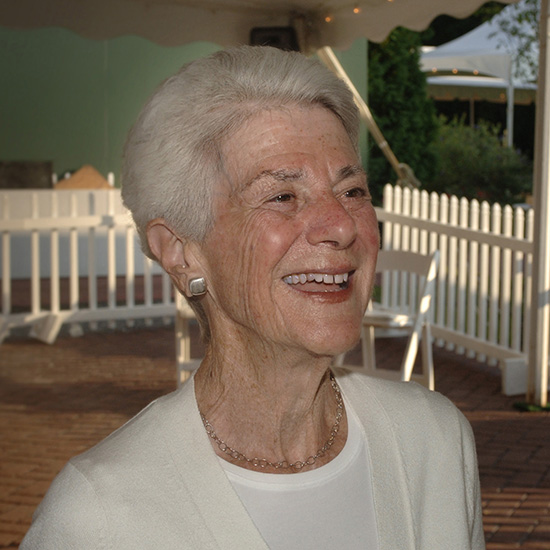
 The Skidmore community pays tribute to Wilma “Billie” Stein Tisch ’48, a dedicated alumna, a visionary trustee, and one of Skidmore’s most generous benefactors, who died Sunday, June 7.
 From a Bronx kitchen to 300+ grocery stores, Skidmore alumna Ivy Asamoah ’19 has blended Ghanaian-inspired flavors with entrepreneurial grit to build the fast-growing Nourrir Drinks brand.
 Faude applies her experiences in Skidmore sociology and IGR to her work with nonprofits and encourages students to think cyclically and flexibly about how they can make a difference.
Scope magazine is published by Skidmore College’s Office of Communications and Marketing.
Looking for Class Notes? The latest issue of Scope magazine contains the latest batch
of Class Notes.
Looking for a back issue of Scope? The Scope magazine archives, from the first issue
in 1969 until the present, have been digitized and are available on the Scribner Library
website.
Read the latest edition on ISSUU



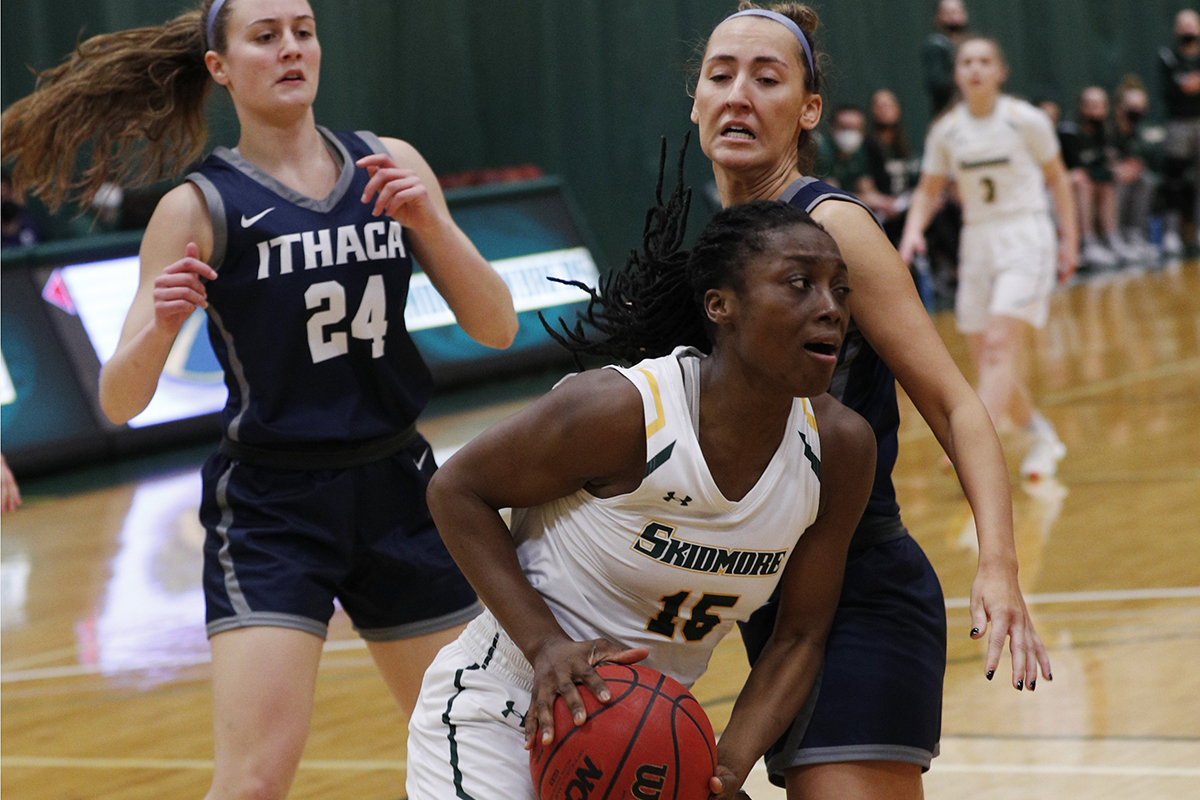
Athletics
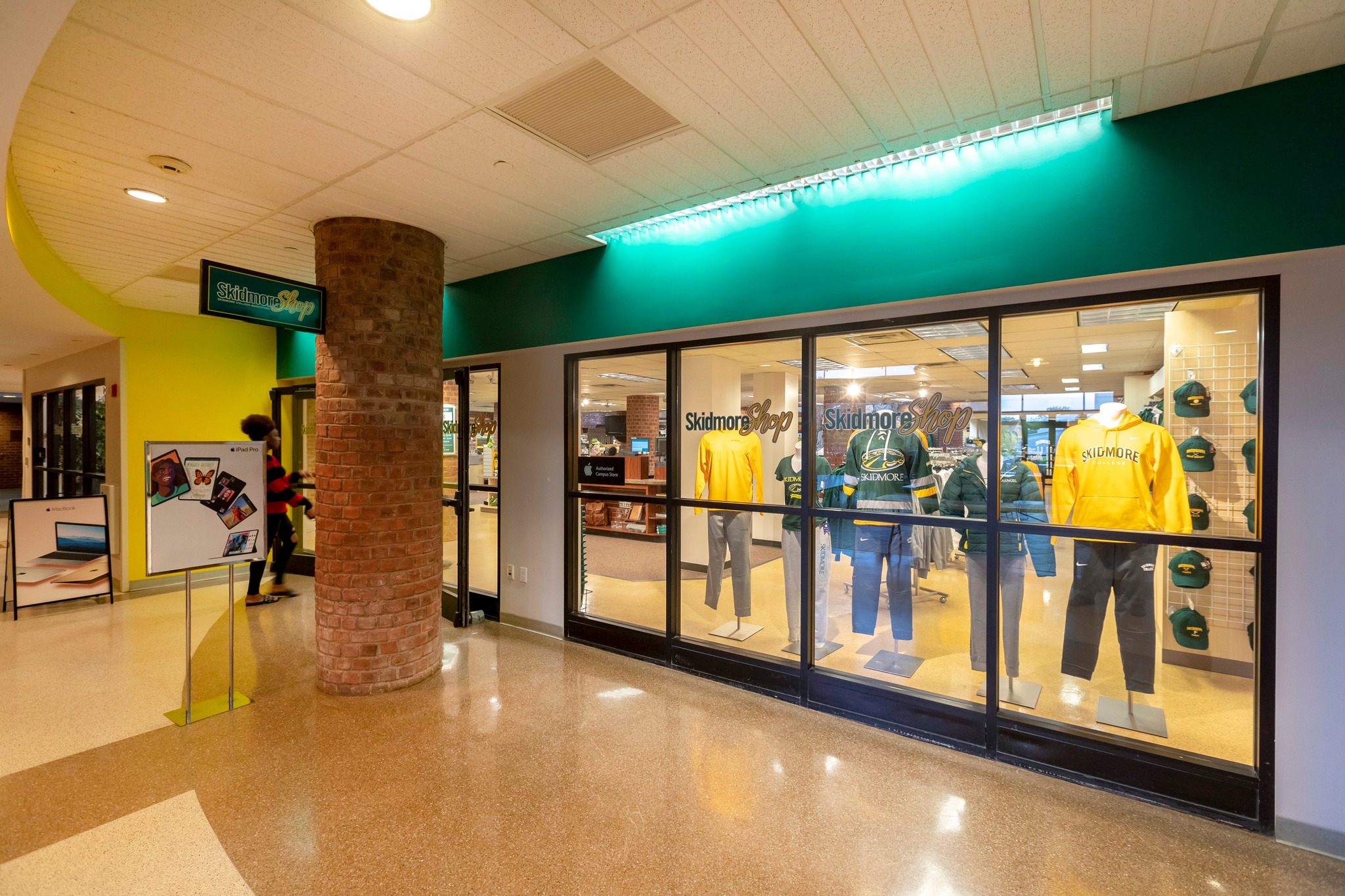
Skidmore Shop

Tang Teaching Museum

Zankel Music Center

ALUMNI ENGAGEMENT
For regional events, opportunities through the Career Development Center, and more alumni news and happenings, visit us here.