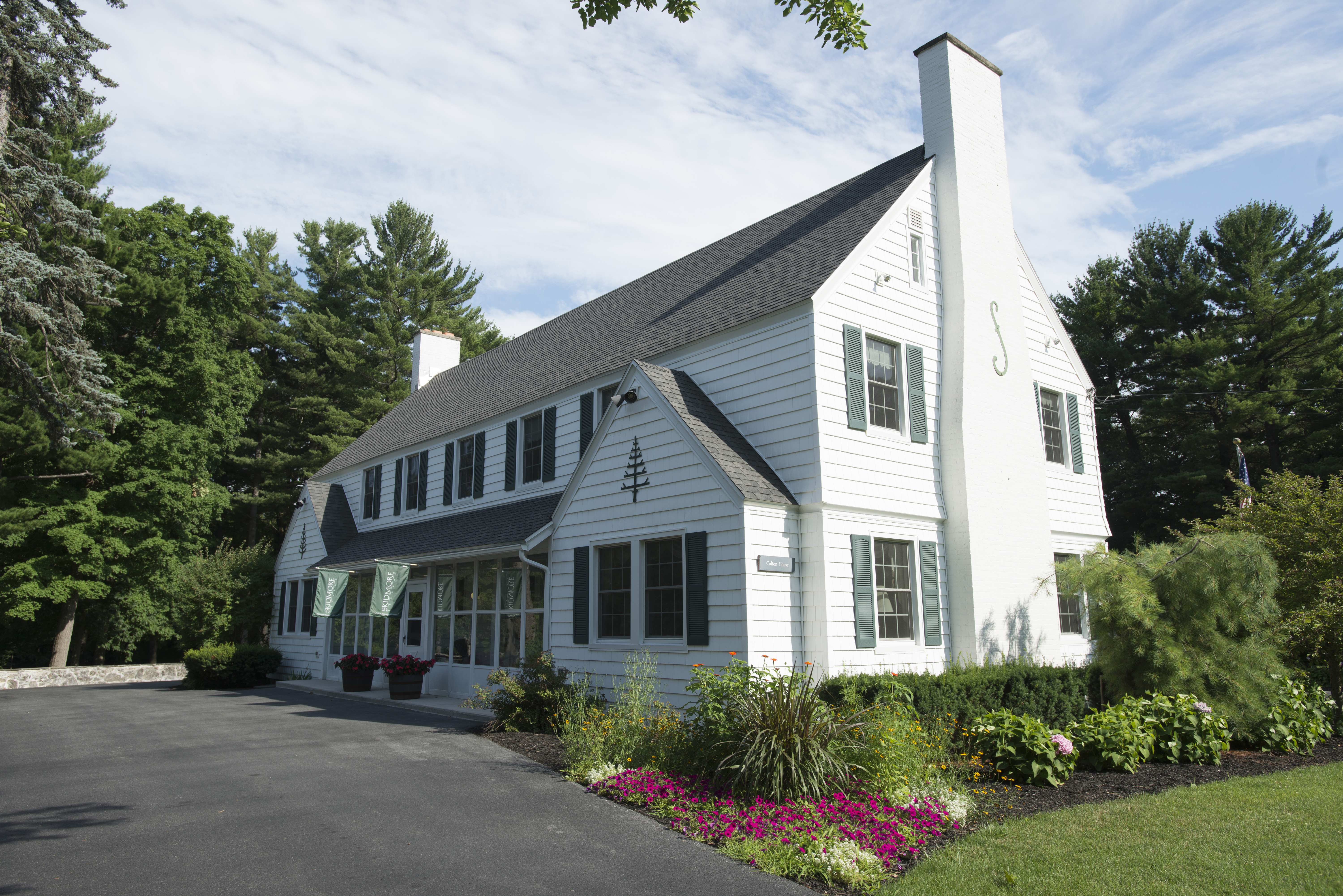
After the Gotti trial ended, Tacopina was well known for his connection to that famous case, but he still had almost zero trial experience. Everyone said, Get a job at the DAs office, he recalls, because I needed to start trying cases. He took the advice. Rising up the ranks in the Brooklyn District Attorneys Office, he quickly got the nod to prosecute homicide cases. He also worked at the U.S. Attorneys Office, on loan from Brooklyn, to prosecute a gang case in federal court. But Tacopina soon realized that he didnt share his fellow prosecutors satisfaction in the work. When some of the prosecutors won a big case, they would go back to the office and have a party. But to me it wasnt about that, about winning. It was just sad. First somebody got killed, and now a second life is ruined because hes going away forever; it would only confirm the tragedy. I never got any joy out of that. Tacopina decided to switch to the other side of the courtroom. A substantial number of criminal defense lawyers are former prosecutors. Its a natural progression, he explains. It gives you an advantage to know what the prosecution is thinking. Also, he adds, he welcomed the profound responsibility. When the maximum sentence is life in prison or even deatha defense attorney literally has his clients life in his hands. When Im representing someone, I believe in my argument and I want other people to believe it too. If they want to debate me on it, thats fine. I want them to scrutinize my every move. It gives me more fuel, more adrenaline. Tacopina, who lives with his wife and children in Connecticut (and burns off some extra adrenaline by playing in a local ice hockey league), is one of the most sought-after attorneys in New York City. In 1995 he defended a cop on trial in the Morgue Boys case, in which night-shift officers at a Brooklyn precinct were charged with ripping off drug dealers and meeting at an old morgue to divvy up the proceeds. A few years later he represented Thomas Wiese during the trial of officers accused of brutally sodomizing Haitian immigrant Abner Louima. Wiese was acquitted of civil rights and obstruction charges. That case earned Tacopina a national reputation for representing police officersand getting them acquitted. Soon he was representing Schenectady, N.Y., officer Michael Hamilton, who was charged in connection with an FBI probe into corruption on the citys police force. Federal prosecutors accused officers of shaking down drug dealers and paying informants with crack cocaine. Having negotiated the media circus surrounding such cases, including countless courthouse-steps interviews, Tacopina became an on-air legal consultant for CNBC, FOX News, MSNBC, Court TV, and CNN. He was even a commentator during the impeachment proceedings against President Clinton. Through a Milan, Italy, branch of his legal practice, he also does corporate work for carmaker Ferrari. And he has done high-profile civil litigation in the U.S.for example, filing a $5 million lawsuit against the City of New York on behalf of a lesbian police officer who was being harassed by fellow cops. It was an important suit. My client was being mentally brutalized, says Tacopina. Although his side was a big-time underdog, he won a large settlement for his clientand a few more headlines as well. Tacopinas college choice almost wasnt Skidmore. He was accepted at the West Point military academy. But I became nauseated by the notion of getting up at four in the morning, he admits. And Ive never been good at staying in a line. Besides, he adds, he was impressed with Skidmores ice hockey program and its coach, Paul Dion. He was the single biggest reason I decided on Skidmore. Tacopina majored in business-government and excelled in sports. A leader on the Thoroughbreds hockey and baseball teams, he also started a wrestling club. Joe was an intense player, recalls Dion. He had a strong sense of justice and stood up for himself and his teammates he was excellent for team chemistry. He was a hard worker, and hes obviously made the most of his opportunities. For Tacopina, Skidmore had it allincluding the right curriculum, although I had no idea what I wanted to do with my life yet. Thats where a psychology class with Professor Sheldon Solomon came in: impressed with Tacopina as a skillful and articulate debater, Solomon told him he would make a great trial lawyer. The young Tacopina took the prediction seriously. He also picked up Fatal Vision by Joe McGinnis, the true-crime account of the 1979 trial and conviction of army doctor Jeffrey MacDonald for the murder of his wife and children. The book told the legal drama that developed from the controversial case, every aspect of it. I was just glued to it, Tacopina recalls. And he knew that a courtroom was where he wanted to be. He promptly got a summer job in New York City, working for the lawyer representing Paul Castellano, the reputed Gambino crime-family boss who was later gunned down outside Sparks Steak House. Jumping right into the big leagues of the legal world, Tacopina concludes, is part of my personality. I make decisions quickly and completely. Jens Ohlin 96 is a law student at Columbia University. |
|