Geosciences
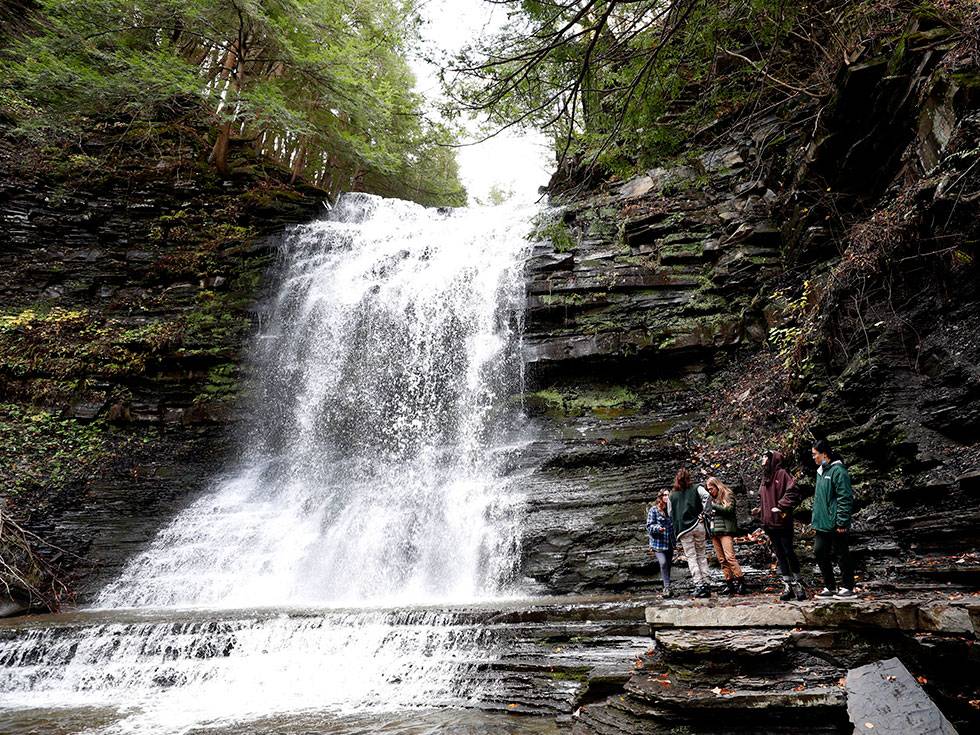
What sets our Geosciences Department apart? Small class sizes, an emphasis on active learning and being outdoors, workshop-style courses at the introductory level, and a great community led by dedicated faculty who encourage exploration.
What will you learn?
On the geosciences major track, you’ll begin your studies with Earth Systems Science with Lab and then move on to upper-level courses in topics that interest you most. Choose from classes including earth history, natural resources, climatology, and hydrogeology. You will round out your major with additional introductory coursework in GIS, chemistry or physics, and a quantitative skills course by junior year.
Where will you go?
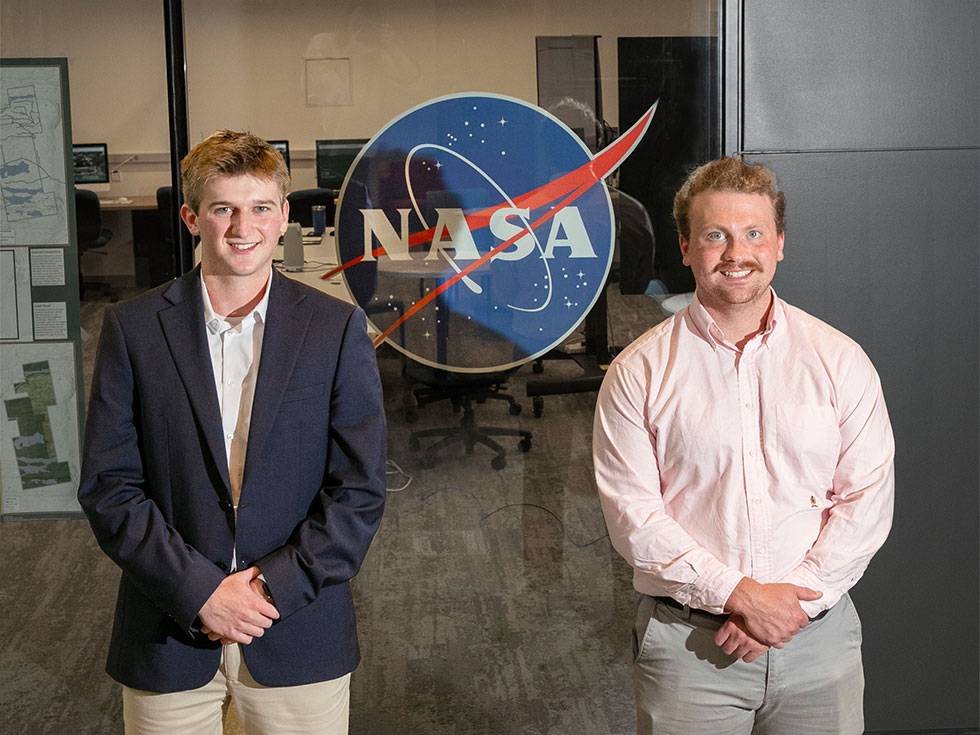
Geoscientists are in demand and opportunities are on the rise, according to the US Bureau of Labor Statistics. Whether you’re hoping to advance your studies or go to work in a rewarding field, Skidmore’s geosciences program can help you get a foothold.
| Career paths | Recent employers | Graduate schools and programs |
|---|---|---|
|
|
|
Can you dig it?
Get a bird’s eye view
Frequently Asked Questions
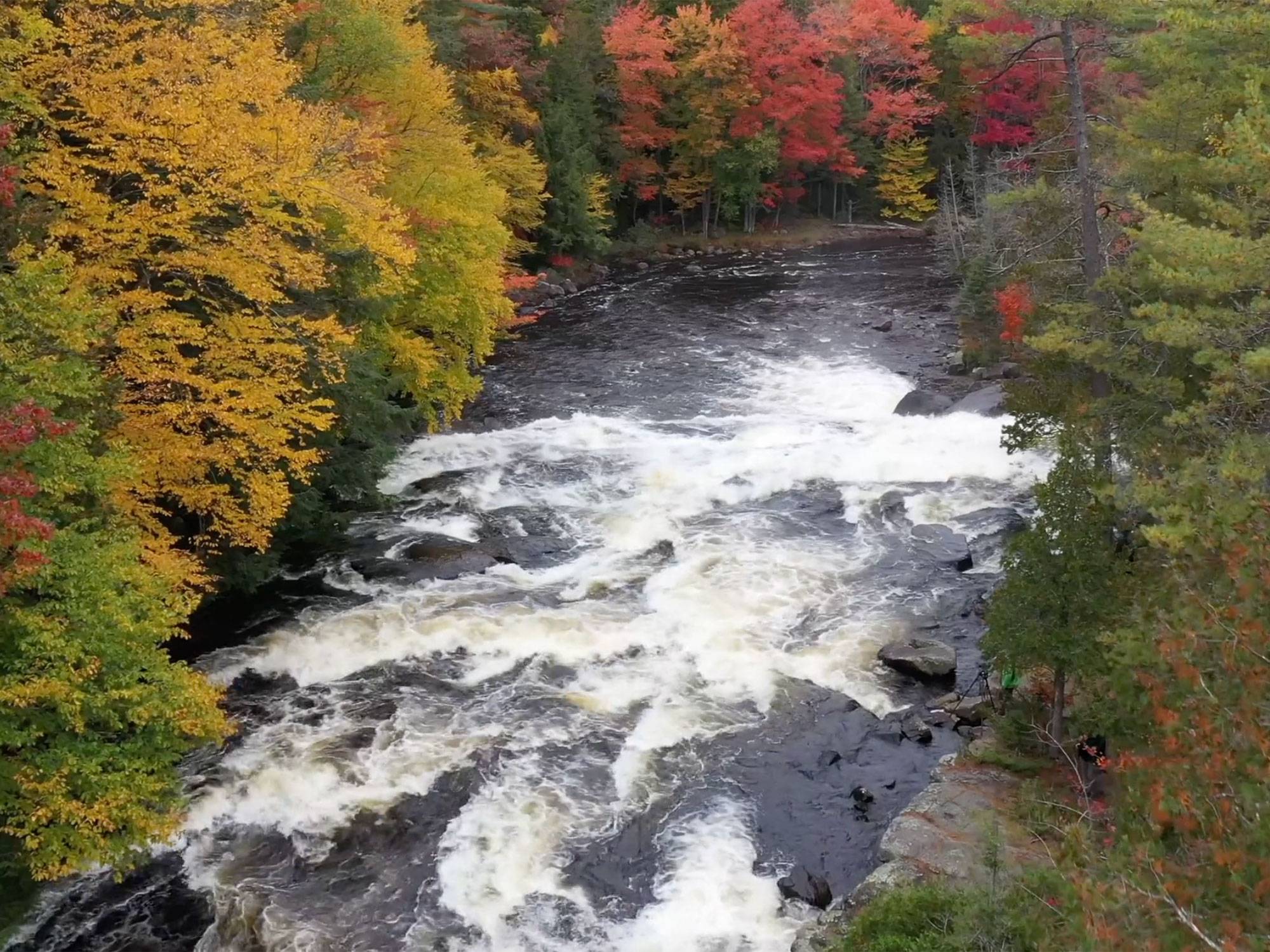
Curious about studying geosciences at Skidmore? Here’s what future students often ask — about fieldwork, research opportunities, careers, double majors, and how geosciences connect to real-world change.Skidmore’s location in Saratoga Springs places you at the intersection of major geological regions. Students have direct access to ancient mountain roots, fossil-rich limestone, active fault zones, and glacial landforms. From world-famous stromatolites to New York’s only volcanic pillow basalt, the region offers a geoscientist’s dream. At Skidmore, fieldwork isn’t a trip. It’s part of your everyday experience.
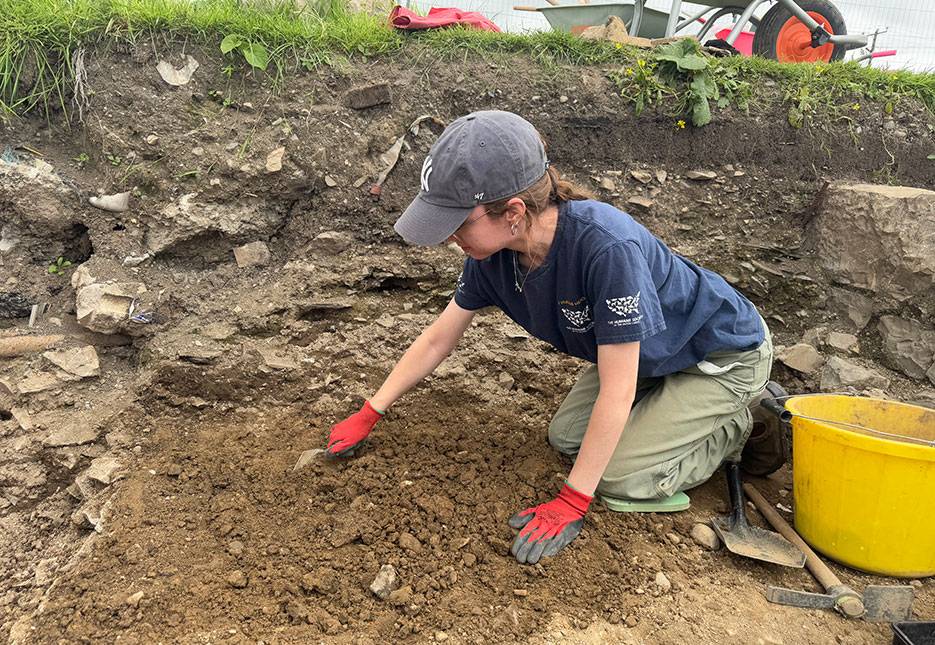
Yes! In fact, we encourage you, as a geoscience student, to conduct your own original research. This experience will allow you to put your skills to use, advance the fields of geoscience, and learn more than you thought you ever could. Most importantly, research will allow you to get involved in professional geological societies and start networking for a job or graduate school.
Independent research allows you to:
- Design your own research project
- Conduct your own fieldwork
- Analyze your own data
- Present your findings at regional or national geological conferences, Academic Festival, and other venues.
Getting started is easy:
- Find an aspect of geoscience that interests you.
- Find a faculty member who has a similar interest.
- Reach out to that person about doing research.