From medieval romance to modern romantasy
What do dragons, forbidden love, powerful heroines, and the latest BookTok sensations have to do with a Skidmore College classroom? For Assistant Professor of English Thai-Catherine Matthews and her students, quite a lot.
Romantasy — the wildly popular blend of romance and fantasy — has become a publishing phenomenon, propelled by authors like Sarah J. Maas and Rebecca Yarros and their devoted fans worldwide. Maas’ latest installment in her blockbuster “A Court of Thorns and Roses” series, “A Court of Splintered Harmony,” sold more than 2 million copies in its first week following its October release, with another installment expected in January. Across her three series, Maas has sold more than 100 million copies worldwide.
For Matthews, a scholar of medieval literature, the genre’s extraordinary success raises a fascinating question: Why are stories rooted in centuries-old literary traditions resonating so powerfully with readers today?
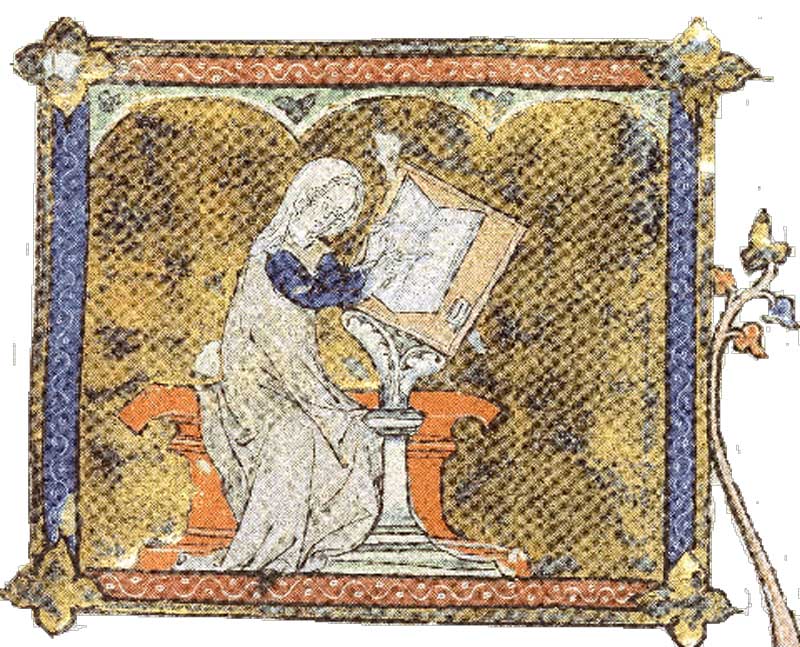
It’s the kind of question she encourages students to explore in her courses, which include Misadventure in Medieval Romance, Witches and Wives Beyond the Round Table, Monsters of Medieval Literature, and the English Seminar: On Fairytales. Drawing connections between contemporary pop culture and the literature of the Middle Ages, Matthews examines how familiar storytelling conventions have evolved — from 11th- and 12th-century courtly love and the Breton lais of Marie de France to modern works like “The Princess Bride” and Yarros’ “Fourth Wing.”
The conversations extend beyond assigned readings. “Sarah J. Maas actually comes up more often than you would think,” Matthews says. Maas’ bestselling novels offer a timely opportunity to explore questions central to Matthews’ scholarship: What makes a compelling heroine? How have women used fantasy and romance to explore desire, power, and identity? And what can the women who wrote and commissioned medieval romances teach us about the enduring appeal of these stories?
In the two videos below, Matthews brings her expertise to the modern romantasy phenomenon, exploring both the appeal of Maas’ beloved characters and the influential women who helped shape the literary traditions behind them.