Fall 2026
Plagues, Famines, and Natural Disasters in the Ottoman Empire: An Environmental History of the Middle East
Tuesday, October 20 at 5:30 PM
Davis Auditorium, Palamountain Hall
Free and open to the public
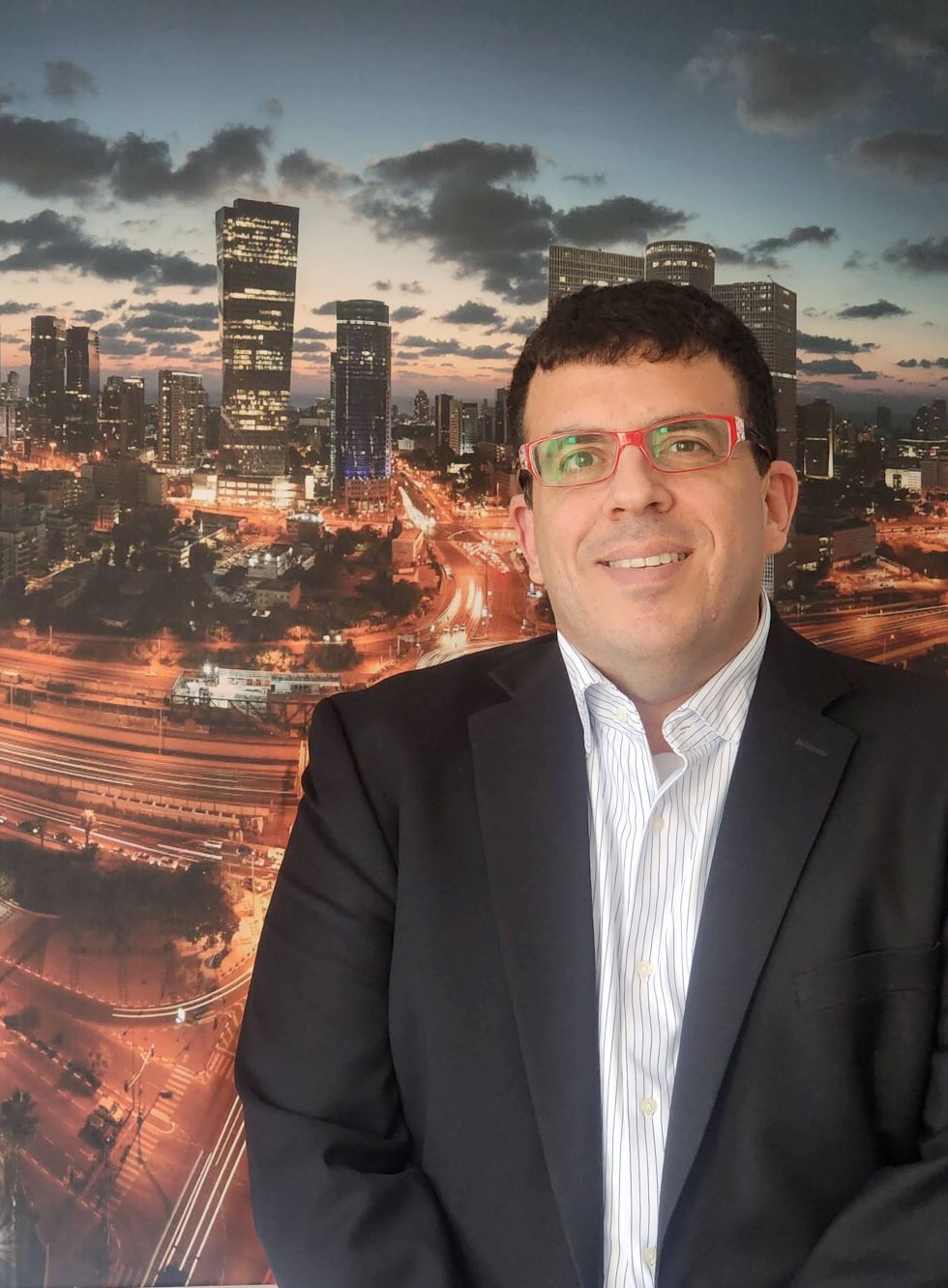
Events such as earthquakes, floods, and epidemics provide vivid illustrations of the natural world's impact on human society, but the outcomes of natural disasters also offer a window onto aspects of social and political life in past societies. Examining epidemics, famines, and earthquakes in the Ottoman Empire in the 17th and 18th century, Ayalon will discuss how disasters affected Jewish, Christian, and Muslim communities. Ayalon asserts that religious identities and communal cooperation were always present in the Ottoman Empire, but the boundaries between confessional communities were porous. Indeed, religion was “neither the sole nor the primary social divider in Ottoman society at large.” The presentation provides a historical lens into natural disasters that affected Jewish communities in the Middle East, and offers lessons on how we can approach current environmental challenges, climate change, and natural disasters.
Yaron Ayalon is a social historian of the Middle East, Ottoman Empire, Sephardic Jews, and Israel, and author of two books: Natural Disasters in the Ottoman Empire: Plague, Famine, and Other Misfortunes (Cambridge University Press, 2015), and Ottoman Jewry: Leadership, Charity, and Literacy (Brill, 2025). He has published over 20 articles on Jewish and Muslim charity, rabbinic leadership, and natural disasters in the Ottoman Empire and Middle East. Dr. Ayalon is Director of the Bennett Center for Judaic Studies at Fairfield University where he also serves as the Carl and Dorothy Bennett Chair in Judaic Studies and Professor of Religious Studies. He has taught Middle Eastern, Jewish, and Israeli history, and courses such The Arab-Israeli Conflict, Sephardic Jews in the Diaspora and Israel, and Thinking Outside the Box in the Jewish Tradition.
This presentation is part of the Jacob Perlow Series sponsored by the Office of Special Programs and co-sponsored by the departments of Environmental Studies & Sciences, Political Science, and History. Funding is provided by endowments established by Jacob Perlow and by Beatrice Troupin.
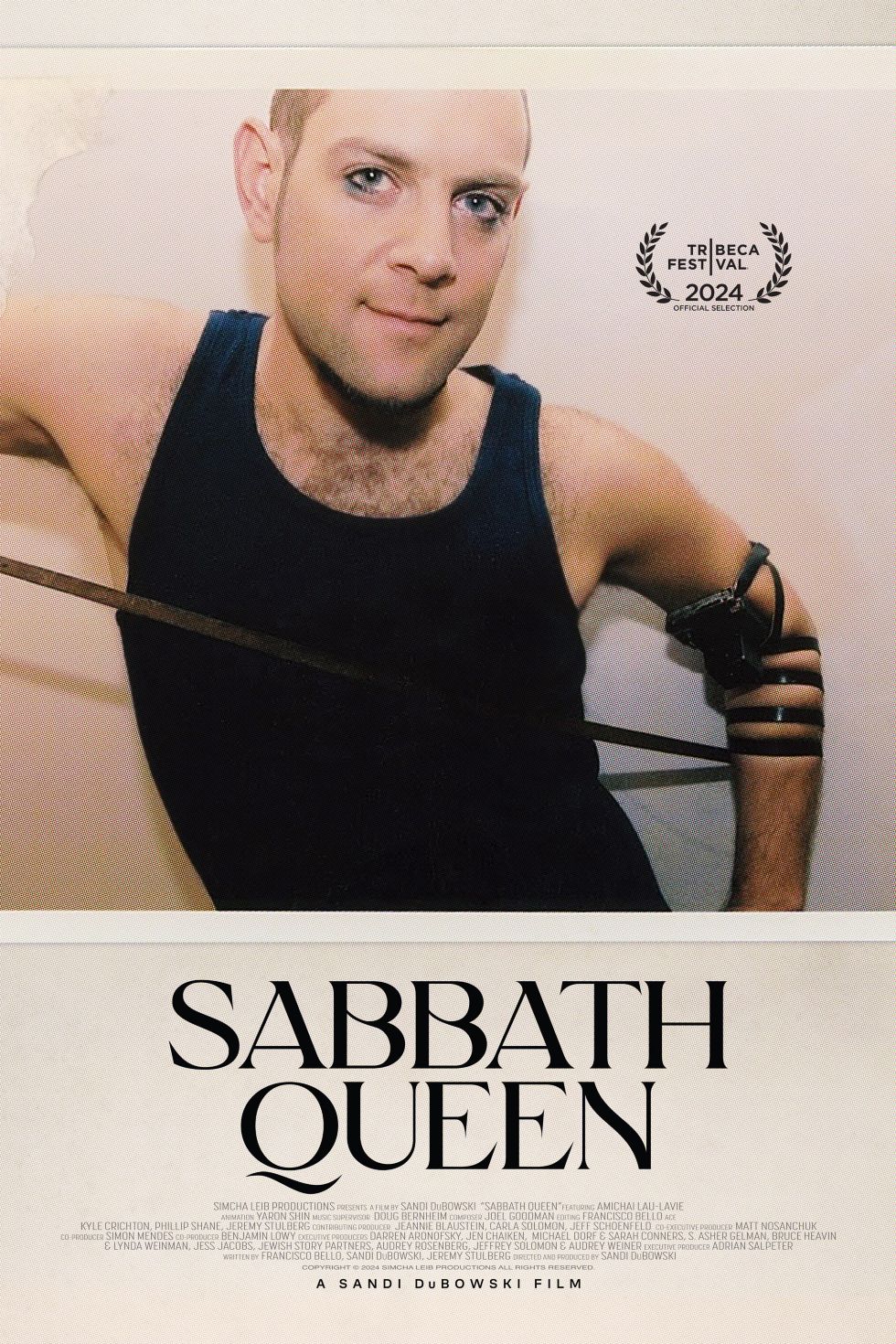
Sabbath Queen Screening & Discussion
A film screening of the documentary Sabbath Queen (105 minutes) with a post-screening Q&A featuring director and producer Sandi DuBowski
Monday, November 16 at 7 PM
Gannett Auditorium, Palamountain Hall
Free and open to the public
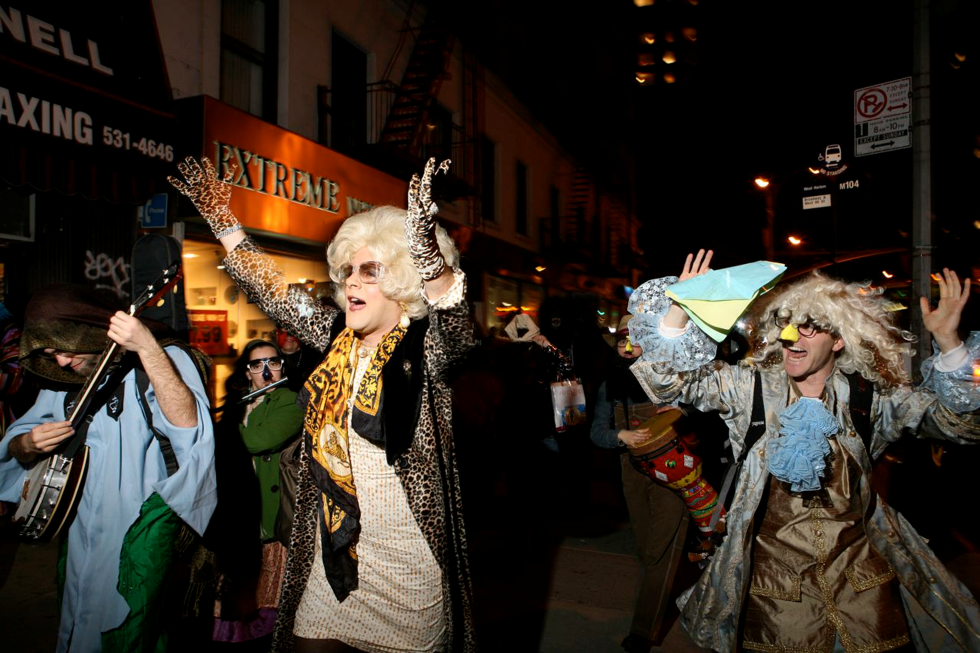
Sabbath Queen follows Amichai Lau-Lavie’s journey from radical drag queen to influential Rabbi of a God-optional, artist-driven New York synagogue.
The film is the result of 21 years of documenting the life of Rabbi Amichai Lau-Lavie who is “dynastic heir of 38 generations of Orthodox rabbis including the Chief Rabbis of Israel.” The film demonstrates how Lau-Lavie is “torn between rejecting and embracing his destiny and becomes a drag-queen rebel, a queer bio-dad and the founder of Lab/Shul—an everybody-friendly, God-optional, artist-driven, pop-up experimental congregation.” The film traces Lau-Lavie’s life across both Israel and the United States to highlight the differing cultural, political, and religious contexts that shape Jewish identity in these two locations. Sabbath Queen invites audiences to consider how diaspora, nationalism, and personal identity intersect, and how individuals negotiate belonging in the Jewish community.
This screening offers attendees an opportunity not only to engage with the art of longitudinal documentary filmmaking, but also to reflect on the evolving nature of Jewish identity in the 21st century.
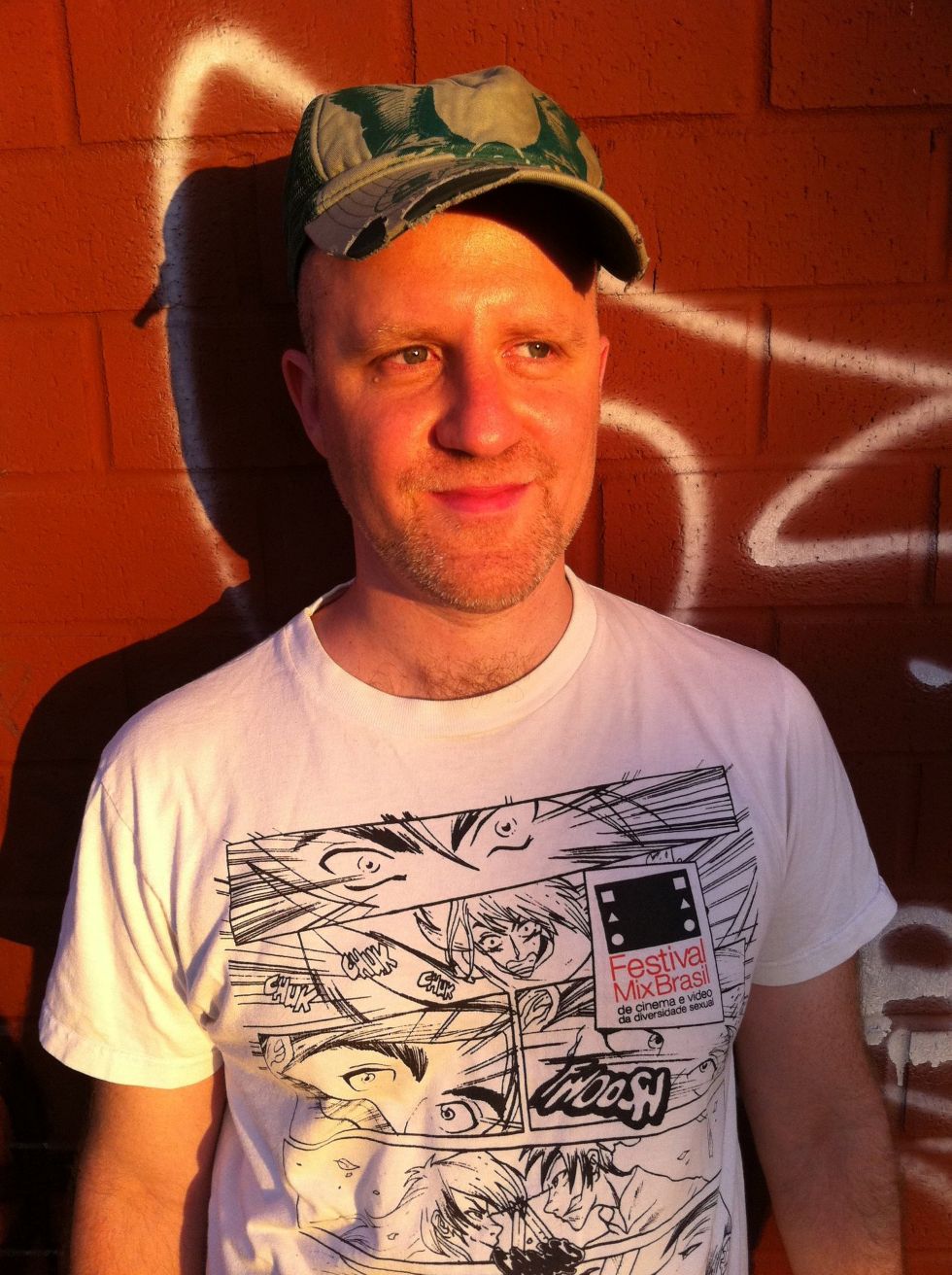
Sandi Simcha DuBowski is a film director and producer whose works focus on the intersection of LGBTQIA individuals and religious identity. He is also known for moderating interfaith dialogues on homosexuality. Most recently, he directed the documentary Sabbath Queen (2024).
This presentation is part of the Jacob Perlow Series sponsored by the Office of Special Programs and co-sponsored by MDOCS, Religious Studies, and Jewish Student Life. Funding is provided by endowments established by Jacob Perlow and by Beatrice Troupin.