Get early access to hands-on coursework, state-of-the-art facilities, side-by-side research with faculty, and experiential learning opportunities that extend beyond the classroom — all designed to deliver a practical, high-impact experience from your first year. 

What will you learn?

Whether you major or minor in health and human physiological sciences, you’ll build a foundation in exercise physiology, anatomy, testing and prescription, research techniques, and public health. Majors then explore advanced topics like muscle physiology, aging, endocrine systems, and cardiovascular health.

Where will you go?

A degree in health and human physiological sciences opens the door to a wide range of paths across healthcare, research, and human performance. About 80% of Skidmore graduates pursue advanced study in fields such as medicine, nursing, physical therapy, occupational therapy, and dentistry.

Internships Career paths Recent employers Graduate schools
  • Joslin Diabetes Center, Harvard Medical School
  • Spaulding Rehabilitation Center, Mass General Brigham
  • MD Anderson Cancer Center
  • MVPT Physical Therapy
  • Clinton Health Access Initiative
  • European Professional Soccer Nutrition Internship, FC Twente
  • Clinical research assistant
  • Clinical trials specialist
  • Dentist
  • Nurse
  • Occupational therapist
  • Physical therapist
  • Physician
  • Regulatory affairs specialist
  • Strength and conditioning coach
  • Alira Health
  • Boston Children’s Hospital
  • Children’s Hospital of Philadelphia
  • Genesis Research Group
  • Harvard T.H. Chan School of Public Health
  • Penn Medicine
  • Spaulding Rehabilitation Network
  • Takeda Pharmaceuticals
  • University of Pittsburgh
  • Yale New Haven Hospital
  • Duke University
  • Ithaca College
  • New York University
  • Northeastern University
  • UCLA
  • Tufts University
  • University of Georgia
  • Weill Cornell School of Medicine
Health professions advising and support

Students interested in careers in healthcare receive guidance from Skidmore’s Health Professions Advisory Committee (HPAC), which provides advising, mentoring, and application support for pathways including medicine, dentistry, veterinary medicine, physician assistant studies, and other health professions.

Learn more about Skidmore's Health Professions Advisory Council 

Labs designed for discovery

Research is central to health and human physiological sciences at Skidmore. In our teaching and research labs, you’ll conduct nationally and internationally recognized research alongside expert faculty.
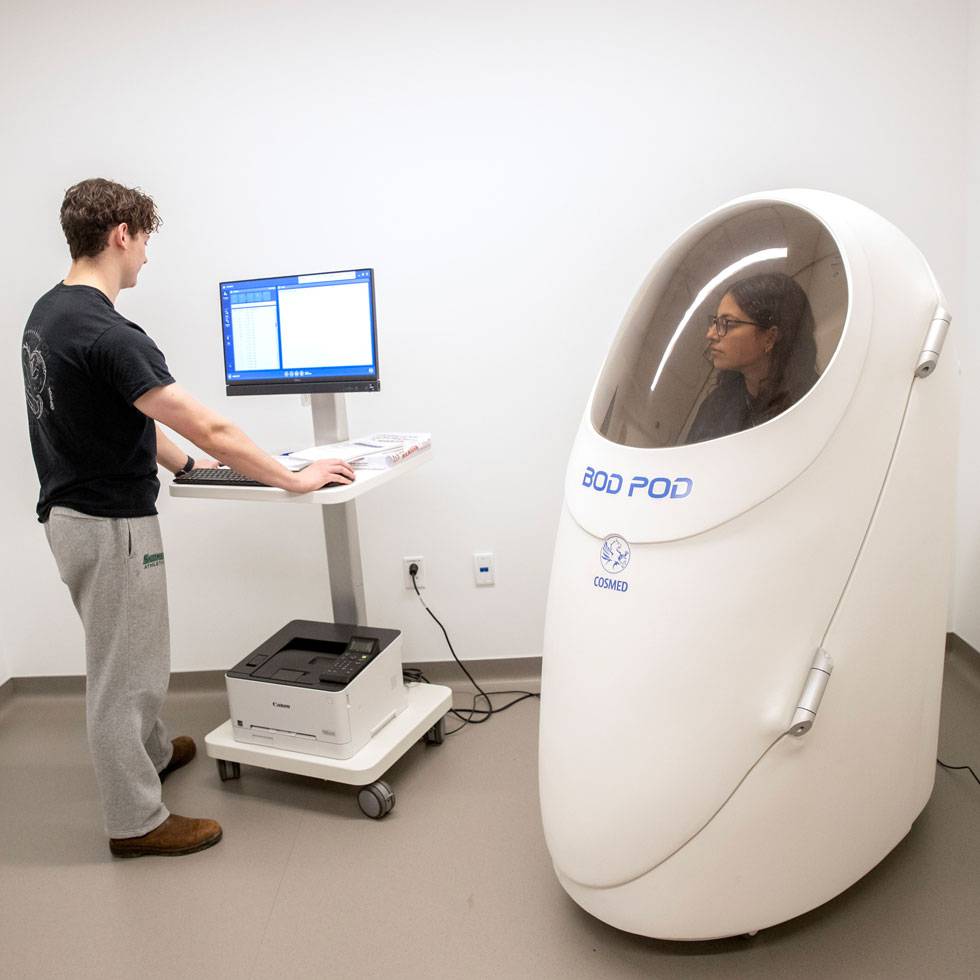
Two students work in a lab that includes one working on a computer, and the other in a Bod Pod capsule.

Body Composition Lab

Using advanced tools such as the BodPod, DXA, and bioelectric impedance analysis, students measure health and performance factors like body composition, muscle mass, and bone mass.
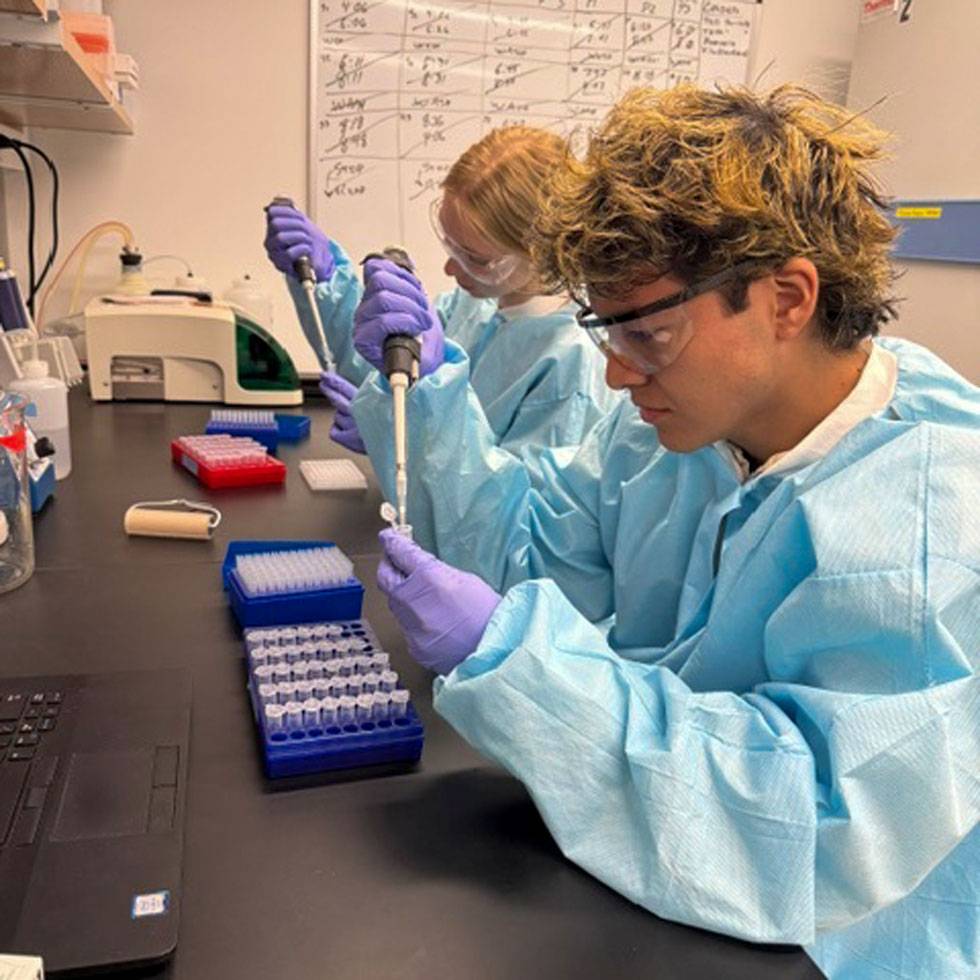
Two students work in a lab wearing safety glasses, a white lab coat, and blue gloves. They are piping something into a vial for research.

Clinical and Applied Biochemistry Lab

In this lab, students examine how nutritional or exercise interventions alter our internal chemistry and biomarkers of health. We use ELISA and plate-based activity assays to assess biospecimens such as saliva, blood, or urine.
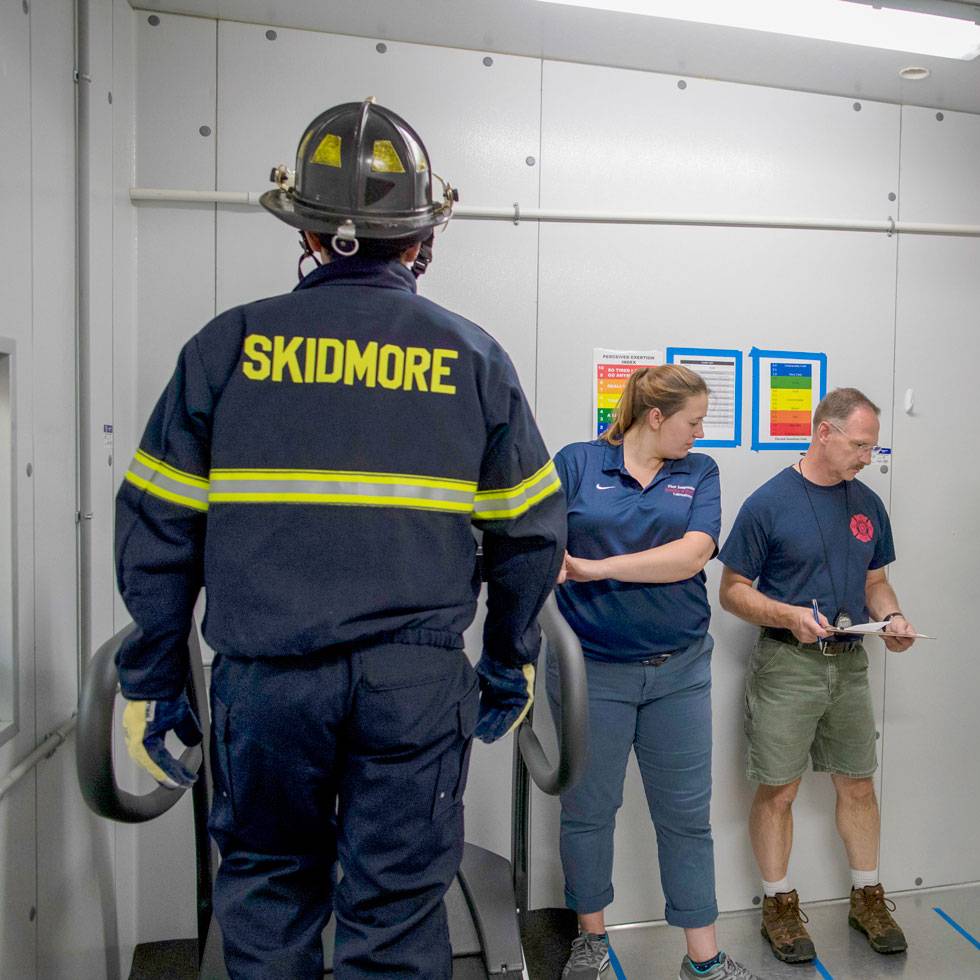
A firefighter stands in their uniform that is black with neon yellow text that says "Skidmore," and two other people stand against the lab wall taking research notes..

Environmental Physiology Lab

This lab supports faculty and student research on how environmental conditions — including heat, humidity, and cold — affect human physiology and physical performance. It features a controlled environmental chamber capable of simulating temperatures from -10 to 50°C and humidity levels from 0 to 100%.
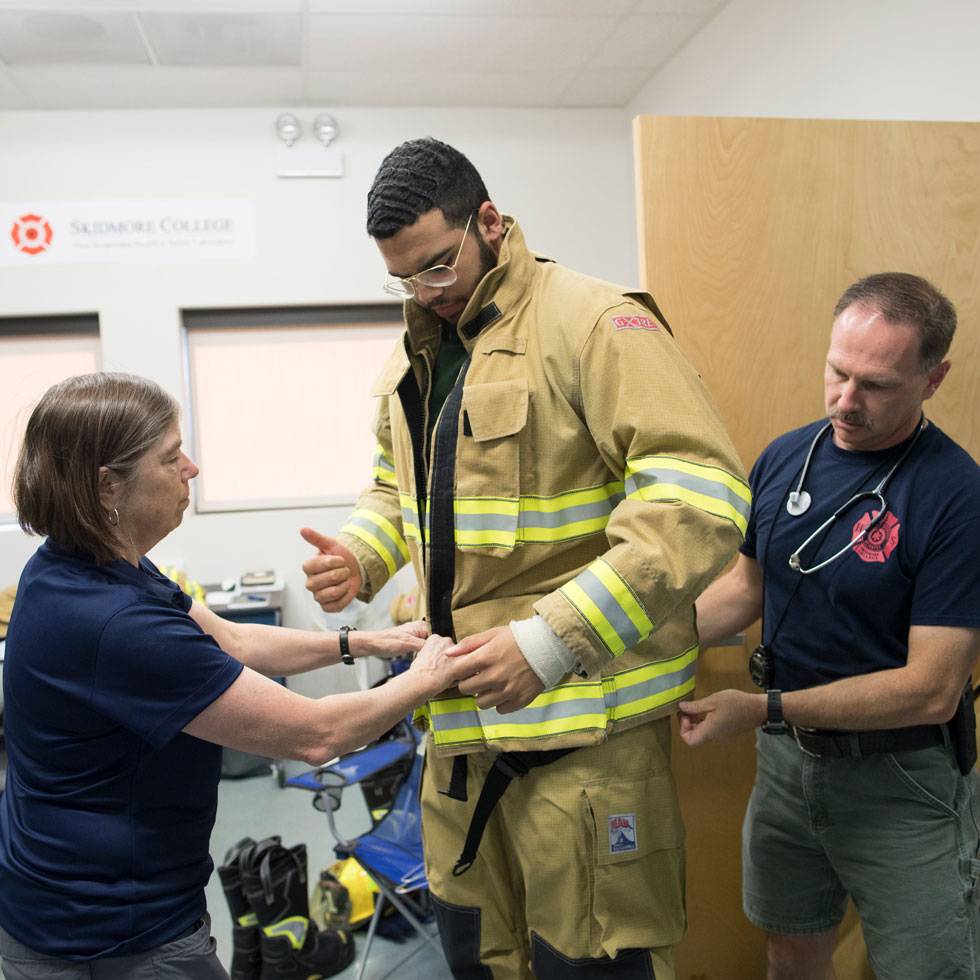
Three individuals stand in a lab, preparing a firefighter for a research study.

First Responder Health and Safety Lab

This lab focuses on improving the health, safety, and performance of high-risk professionals, including firefighters and emergency responders. Students work alongside faculty to study physiological strain and develop strategies to reduce risk and enhance performance.
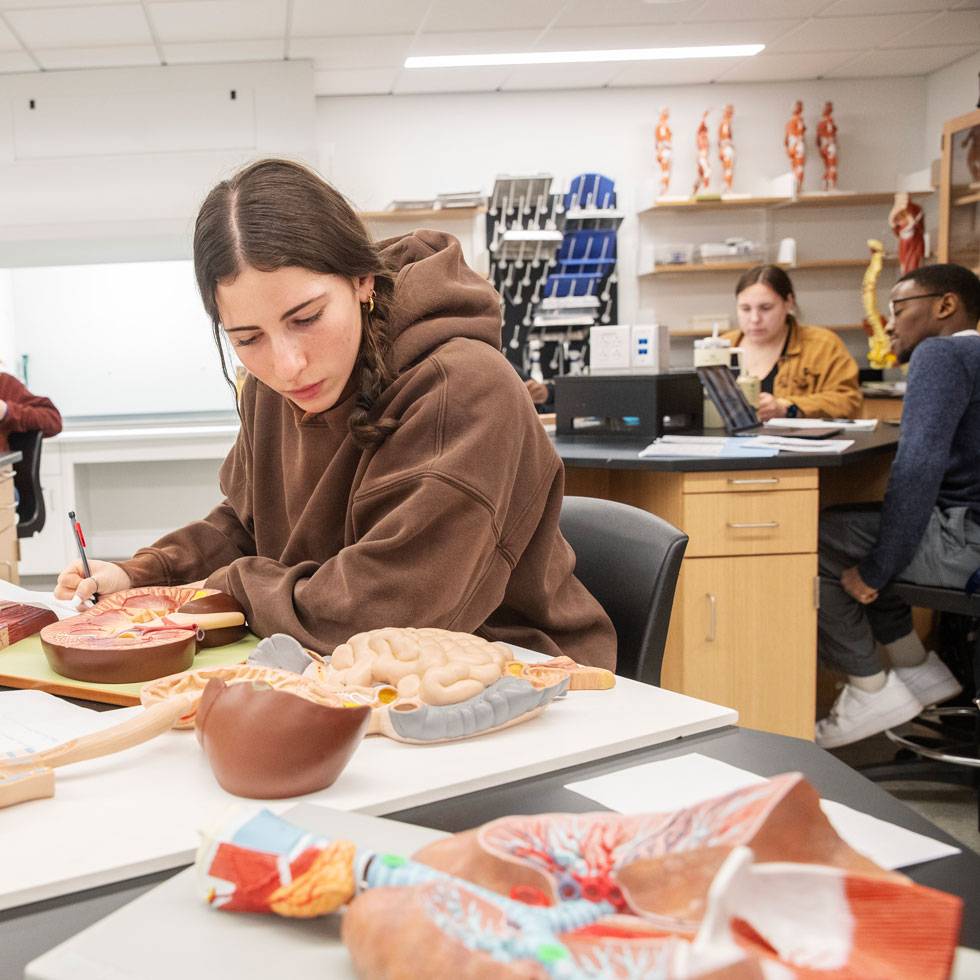
A student sits at a desk in a lab taking notes, with anatomical models spread out around them.

Human Anatomy and Physiology

In this lab, students study human anatomy and physiology through hands-on work with models, specimen dissection, and advanced virtual cadaver technology, including a Sectra interactive display. They also measure cardiovascular, muscular, pulmonary, and neural responses.
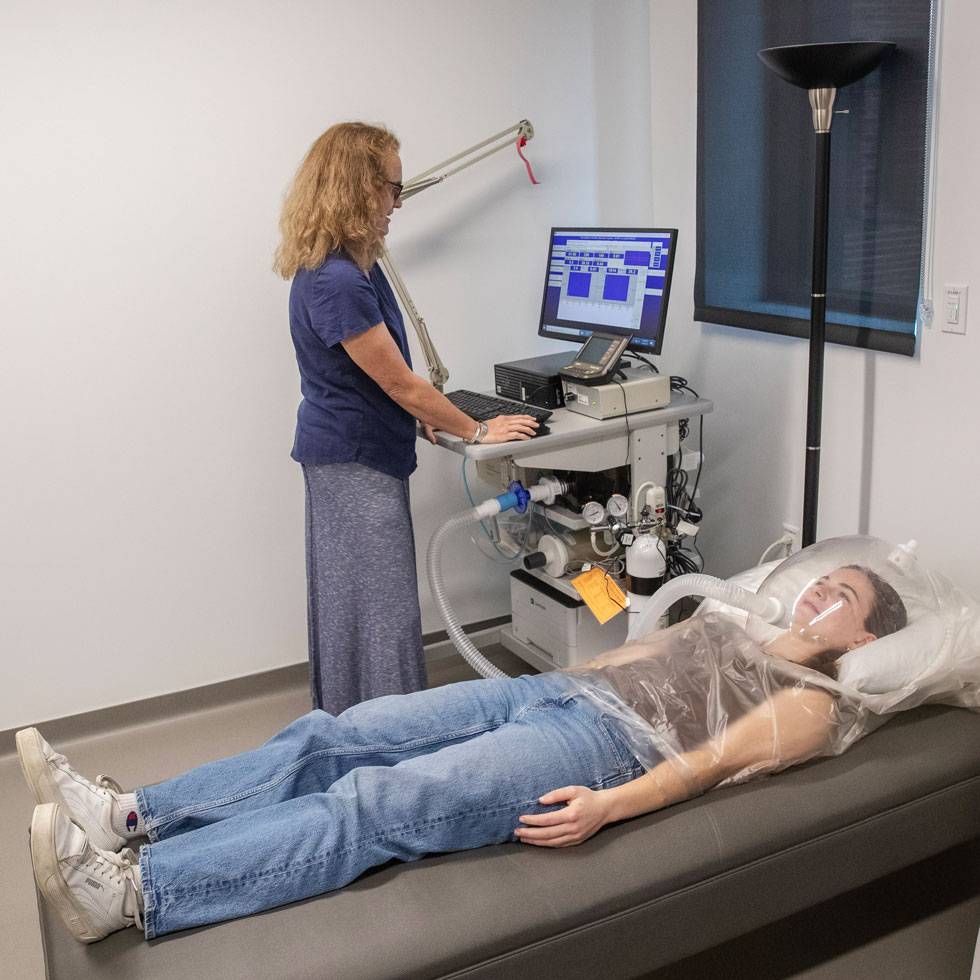
A student lays on a lab bed wearing a clear dome helmet, while a faculty member stands next to them looking at a standing computer screen.

Human Nutrition and Metabolism

In this lab, students explore how nutrition affects metabolism and health. Using tools like metabolic carts, blood lipid profiles, and glucose testing, they gain hands-on experience assessing metabolic health.
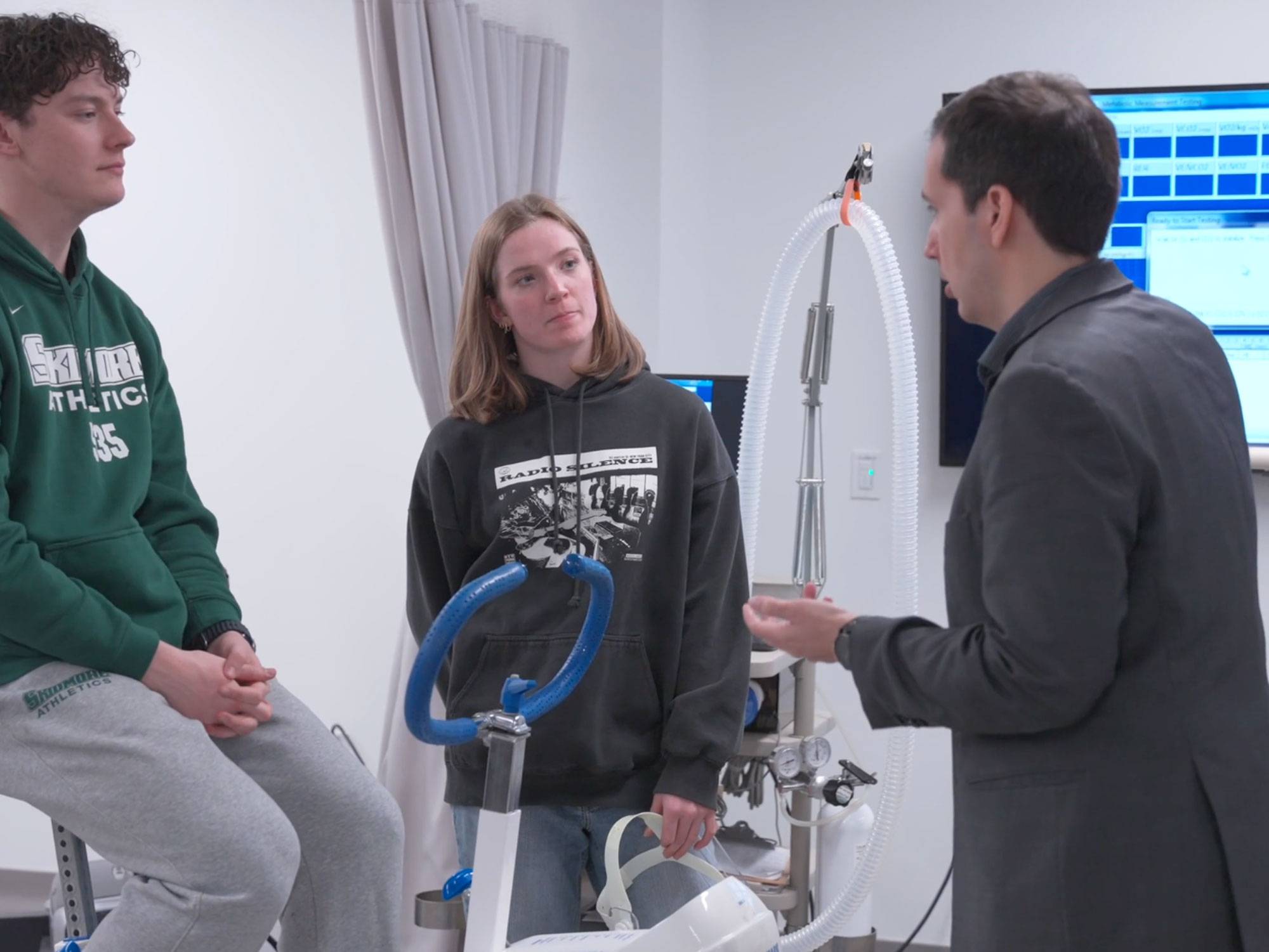
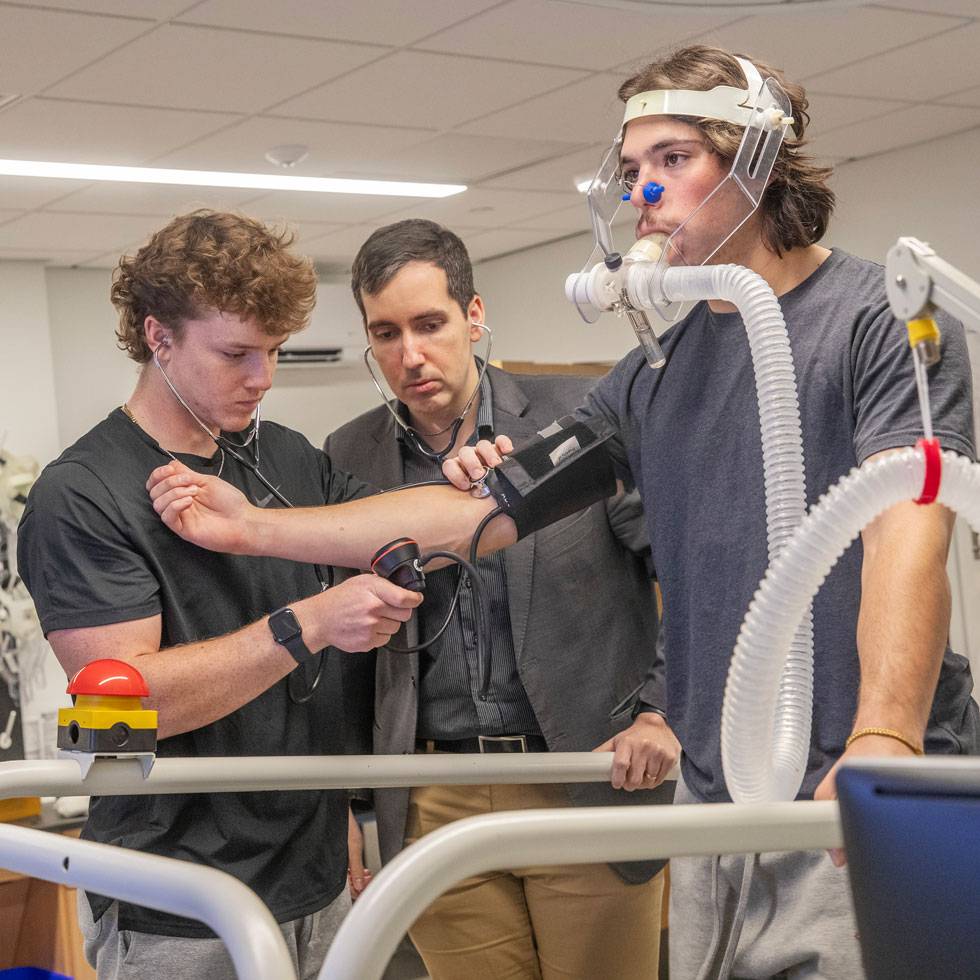
Two students and a professor work in a human performance lab. One is on a treadmill, wearing a mask, with their arm stretched out, while the other measure vitals as a professor looks on.

Human Performance — Teaching

This student-forward lab is used to understand our basic physiology and how we respond to exercise. Students use advanced tools — including metabolic carts, isokinetic dynamometer, and electrocardiography — to measure energy expenditure, muscle force, and cardiopulmonary function.
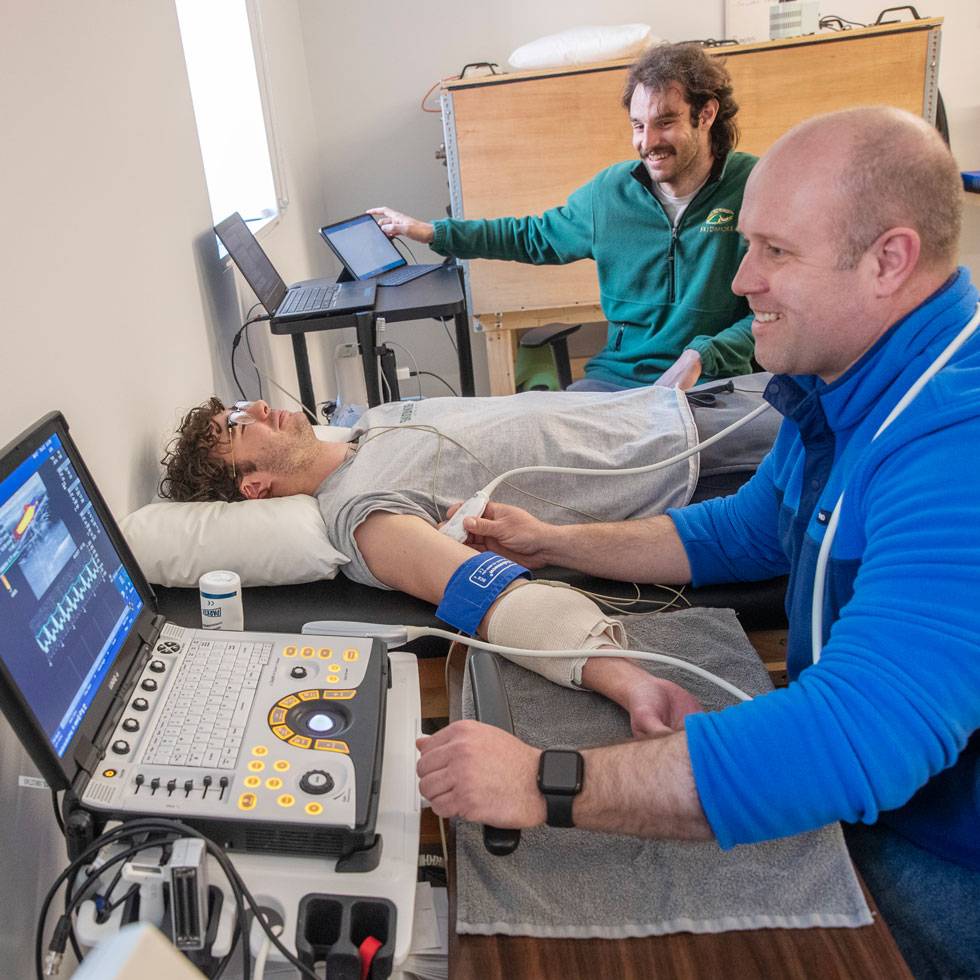
Three individuals work in a lab, gathering health data on the one laying down on a medical bed.

Integrative Vascular Exercise Science Lab

Research in this lab focuses on understanding how cardiovascular health is influenced by lifestyle factors such as diet or exercise, and whether sex or age alters the response. Students will use tools like ultrasound, blood pressure monitoring, near infrared spectroscopy, and ECG to study vascular function and autonomic nervous system control of the heart and vasculature.
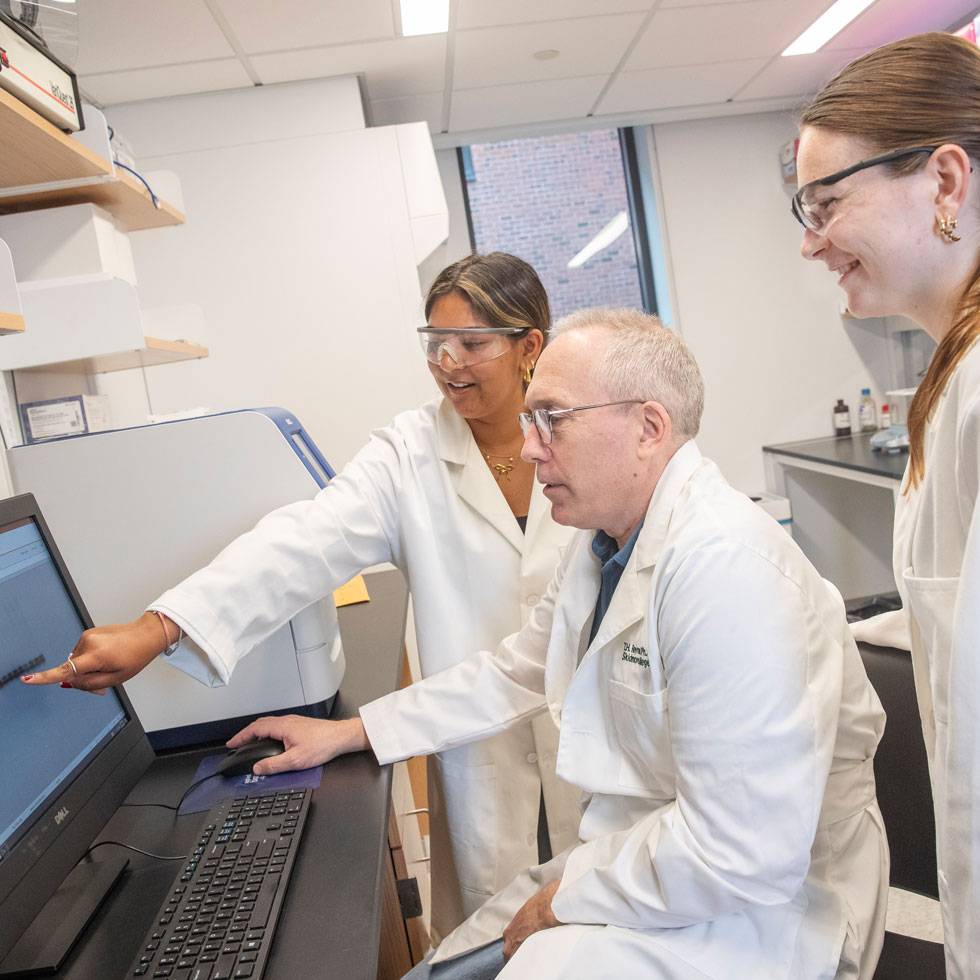
Two students and a professor wearing white lab coats look at a computer screen in a lab.

Molecular Metabolism Lab

In this lab, students examine how skeletal muscle and adipose tissue adapt to exercise, aging, and disease. Students use cellular and biochemical techniques — including PCR, immunoblotting, and enzyme assays — to study metabolic pathways, protein signaling, and muscle function.
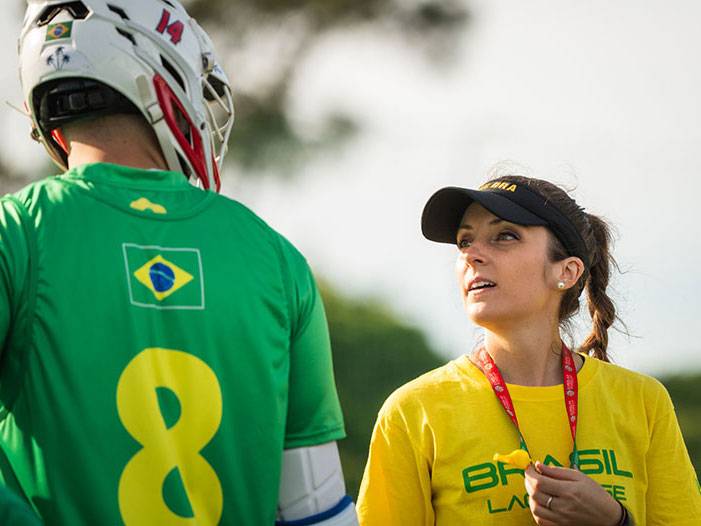
Cristina Velez talks with a Brazilian lacrosse player. She is wearing a yellow team shirt and black hat, and the player is in their green uniform with a white helmet.

Do both — and lead the way

Health and human physiological sciences alumna Cristina Vélez ’12 is the first head coach of Brazil’s national lacrosse team — breaking barriers on lacrosse fields and across the globe.
Read Cristina’s story
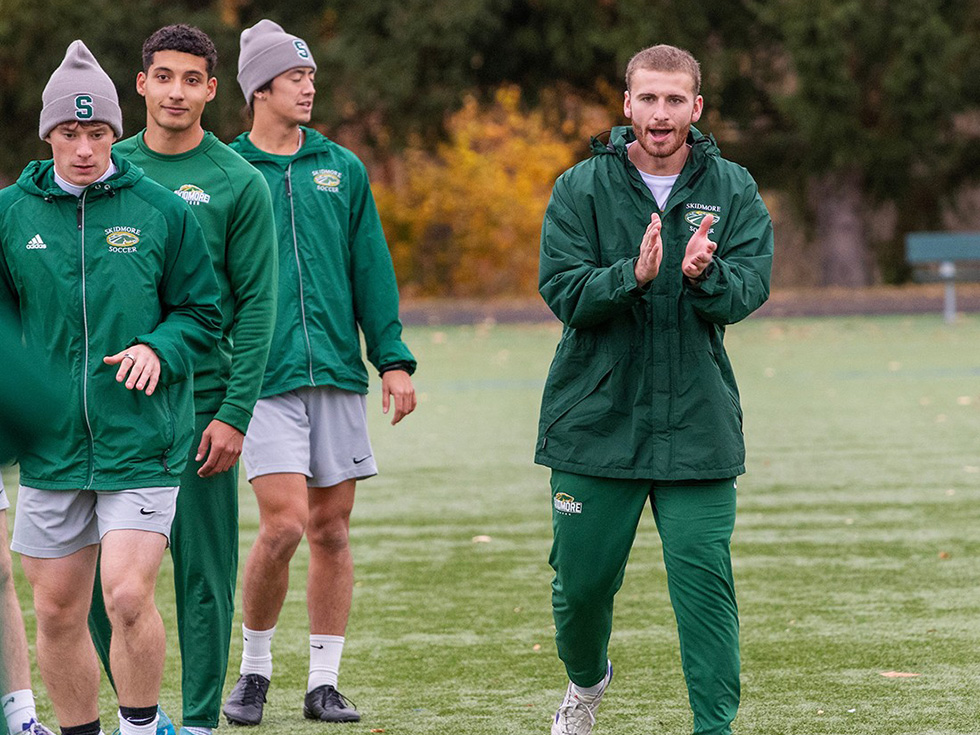
Four members of the Skidmore men’s soccer team walking on a field, with Owen Brady clapping encouragement during practice.

A whimsical story of wellness

Through study, research, and persistence, Owen Brady ’25 turned his interest in human performance into real-world experience — spending the summer with Danish professional soccer club Hvidovre IF.  
Read Owen’s story
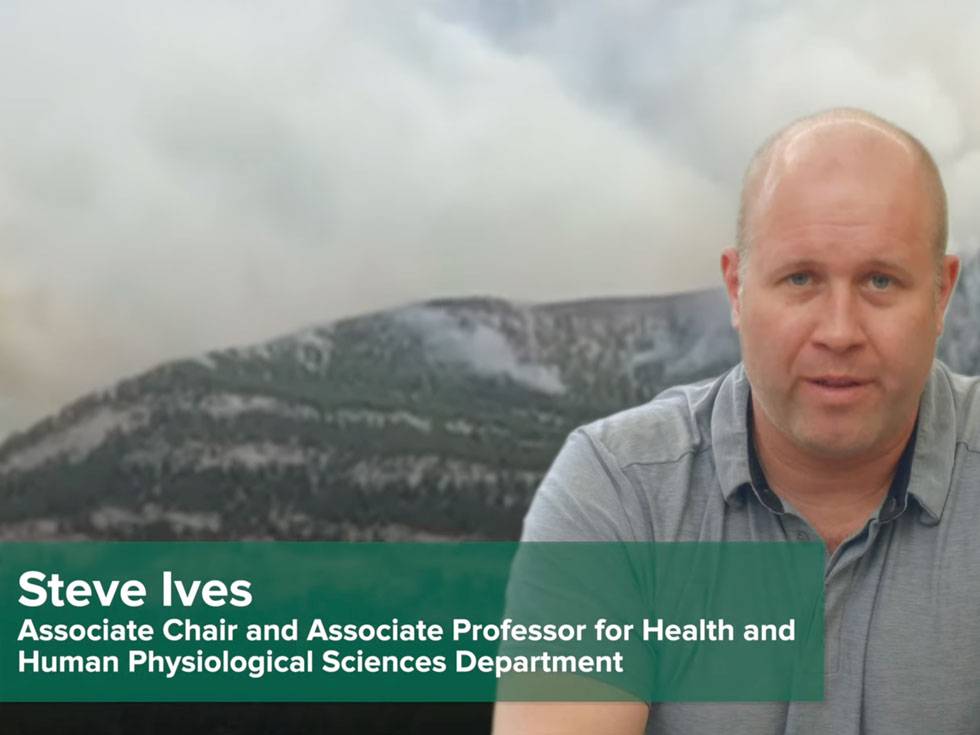
Steve Ives

When research meets the moment

In response to Canadian wildfires, Associate Professor Steve Ives and his students moved quickly — launching a pilot study to understand real health effects. Rigorous academics, applied in real time.
Hear their findings

Faculty

Award winning. Creative. Thoughtful and supportive.
Meet your professors

Contact Health and Human Physiological Sciences

Office

Billie Tisch Center for Integrated Sciences 270
Phone: 518-580-5360

Department Chair

Steve Ives
Professor of Health and Human Physiological Sciences
sives@skidmore.edu

Associate Chair

T.H. Reynolds
Professor of Health and Human Physiological Sciences
treynold@skidmore.edu

Administrative Assistant

Ellen Grandy
egrandy@skidmore.edu