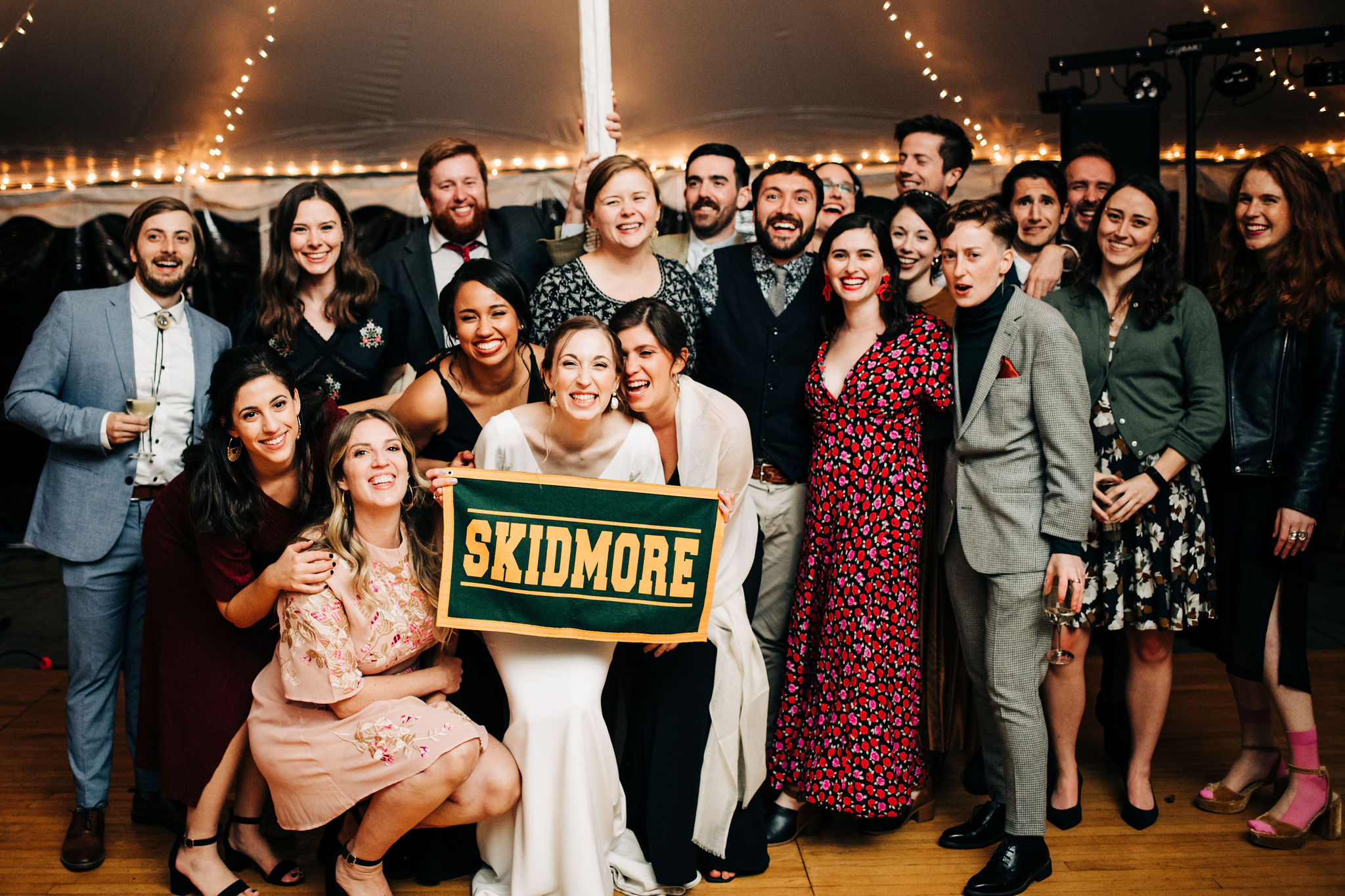
I am slowly getting used to the new time zone and climate (at the time of my arrival, 10 oclock in the evening, the temperature was about 90 degrees!). Im in Makati City, the business district of Manila, where the Fulbright folks have provided me with a brief orientation. Very soon, I shall move to Quezon City. Graduation from Skidmore didnt mean the end of classesnext week, I begin classes at the University of the Philippines. Mabuhay! (Long live!) July 1, 2001 It was dusk on a Thursday afternoon, and my first class with Dr. Abaya had just ended. The sunset was a magnificent display of gold, orange, and peach (one of the positive side effects of air pollution). The jeepneys had stopped running, and I had to take a motored tricycle to my home. These five-foot-high carriages attached to a motorcycle can carry at least six people, three in the carriage and three (including the driver) on the motorcycle. I didnt expect to have to ride one so soon, much less while carrying a backpack full of books and a laptop computer! Somehow this tiny mode of transportation managed to accommodate the maximum number of passengers plus our belongings. We began our bumpy journey down Katipunan Avenue, and I settled (I use the word loosely) into my seat. I looked outside the carriage, noticed the short distance between me and the fast-moving ground, and wondered, Gee, if we get into an accident, would I survive? While pondering this question, I tilted my head back up and noticed that our driver had changed lanes. We were now traveling into oncoming traffic! I have immersed myself in the academic community of the University of the Philippines (UP). For the next few months, Im taking intensive one-on-one Filipino lessons with Mrs. Jovita Orara Tita Jowho has designated herself my surrogate mother. Im also sitting in on two graduate courses taught by Dr. AbayaTheory in Anthropology and Research Design and Methods. These courses will help me develop the theoretical and methodological framework for my upcoming fieldwork in Zambales. For years, Ive been reading anthropologists ethnographies. Now Im actually going to be doing my own fieldwork. Dr. Abaya and I have become good friends. When I first walked into his office, I noticed a beautiful electronic piano standing in the corner. Once in a while, he asks me to accompany while he sings in his beautiful tenor voice. August 9, 2001 Each day I reflect on my Filipino-American (Phil-Am) identity and see it as a point of juncture and contradiction. Intellectually and emotionally, I stand at the borderline of two geographically distant, yet socially and historically close nations (such are the results of American colonization and the Philippine diaspora). I am a foreigner, but I am also a person who shares a commonality or at least a partial identity (one-half to be exact) with the Filipinos. These reflections on identity have led me to seriously consider how I express my knowledge of the Philippines. For years, too many academics and journalists have portrayed this country as just another marginalized third-world nation. Such representations only exaggerate the cultural differences between us and them. I dont want to do that. I was five years old the last time I visited the Philippines, with my mom. Even though my memories of the trip are few, I do have one that has remained close to my heart: my mom showing me this magical plant called makahiya. This very small fern-like plant blossoms with numerous heads of pink and lavender flowers. When touched, as if by magic, the leaves close up onto themselves. My mother instructed me to touch this plant, and I remember very vividly seeing the leaves curl and close and giggling with glee as I ran around the garden looking for more. A few weeks ago, Tita Jo kindly invited me to her lovely little summer home in Antipollo (about one hour north of Quezon City). There in her garden she pointed out the makahiya plant. I again touched the leaves, and with just as much delight (if not more) I watched them curl and close up. This past weekend, I accompanied a small group of young Filipino-Americans (mostly from California) to Banaue, in Ifugao Provincea nine-hour bus ride north of Manila. We visited an Ifugao community, witnessed and took part in the sacrifice of a pig, hiked to and harvested in the famous Rice Terraces (where I fell and twisted my knee), and spent a night in a traditional Ifugao hut. The trip replenished me in so many ways. September 10, 2001 Ive been invited to attend a farewell party for the outgoing U.S. Ambassador at the embassy. It sounds very exciting. Ive never attended an event as fancy as this before. On a more serious note, the U.S. Embassy also released a notice regarding terrorist threats throughout Asia and has advised all of us to maintain a high level of vigilance. September 13, 2001 I find it incredibly heart-wrenching to watch from the other side of the world the tragedies that took place in New York City and Washington, D.C., a few days ago. These tragedies have made me think a lot about home and the many issues that I faced when my mother died. When you hear the stories and watch interviews on the news, your connection with those people who have lost loved ones becomes closer. I see the tears and the emptiness in their eyes and I remember what that pain feels like. It is raw, it is real, and it is powerful. Today, my professors secretary shared with me an e-mail discussing how Filipinos could donate money and relief to this terrible disaster. I began crying. Ever since I got here, I see the poverty people live in. I believe the average yearly income is around $4,000 (U.S.). Despite how little these people have, they are still willing to share with their brothers and sisters halfway around the world. September 22, 2001 While I was switching back and forth between CNN World (which is quite different from regular CNN) and BBC today, I noticed a distinct difference between the quality of news coverage the two networks had to offer. I recommend trying to get a non-U.S. perspective on these recent events.
In the Philippines, it is the celebrants responsibility to organize his birthday party, rather than letting his friends and family organize it for him. With that in mind, I made arrangements at a nearby restaurant for my twenty-second birthday party. I have frequently visited this restaurant, and the folks who work there know me quite well. Among the items on the menu were pancit kanton (dried Chinese noodles), lumpia shang-hi (spring rolls), sinigang (sour stew of fish and vegetables), sweet and sour chicken, and leche flan (crème caramel). I put a lot of thought into my guest list, because for the first time I was offering something in return to all the people who have helped me since I arrived. The party was everythingI wished for and more! So many people showed up that we had to bring in extra tables. The food was absolutely masarapdelicious. Dr. Abaya sang a few songs, which I accompanied on the piano. He also sang a few Filipino kundiman songs with my cousin and aunt. Once everyone had left, the owner of the restaurant pulled me aside and said, Robert, tonight you were a Filipino! After completing course work at the university, Ingenito conducted ethnographic fieldwork in Zambales province, among children of resettled victims of the Pinatubo eruption. His research examined the childrens verbal expressions regarding place and identity.
The other day, I interviewed a shy twelve-year-old girl who lives in a rural hill community. Like other girls her age, she likes pretty dresses, colorful flowers, and nice songs. She also enjoys watching TV soap operas like Pangako sa yo (Promises to You), where the women dress in fine clothes, live in big mansions, and drive fancy cars. Unfortunately, this girl sometimes doesnt have clean clothes or enough food for breakfast. I tried asking her what she likes about Pangako sa yo.
A: The people are beautiful. Q: What makes them beautiful? A: Their makeup and their clothes. Q: Do people really live like that? A: I dont know. Her simple answer made me stop the interview. I guess you could say I had a little crisis. I live in a nice home, drive a nice car, eat good food, and wear clean clothesthings this girl can only see on television. TV has this amazing power to produce an imagined community where people can escape from the worries of poverty and everyday life. Are the images true? Do people really live like that? Each picture, sentence, and word expressed through the media has powerful cultural, political, and transnational meanings that go well beyond their supposed intent. Those of us with access to different kinds of media, like the Internet, newspapers, and the BBC, can make informed conclusions about the world. But for this girl, such choices arent available. |
|