Spring 2002
- - - - - - - - - -
Contents
Features
Observations
Letters
On campus
Faculty focus
Sports
Books
Alumni affairs
and development
Class notes
|
|
|
|
Periscope
Subtitle spree
When I was in college, two of my favorite pursuits were foreign languages and movies. I studied old French poems and plays, I learned German, and I even audited a beginner Dutch course. And at least three nights a week, I watched classic films, many of them foreign, in the campuss cavernous old recital hall.
Those were the days, when students wore Earth shoes, and earth tones, and sometimes just earth, but they recognized and honored great cinema. Of course, those were also the days when great cinema still thrivedin Europe, at leastled by Truffaut, Resnais, Godard, and the other French masters; hot-blooded surrealists like Fellini and Buñuel; and Ingmar Bergman and his seasonal affective disorder. In those days I read Cahiers du cinéma and the British Film Institutes suffocatingly turgid criticism, and I dreamed of being a great, preferably European, filmmaker myself. (The closest I came was shooting a silent 8mm Sisyphus parable starring my burly, bearded older brother, an outsize truck tire, and a steep hill.)
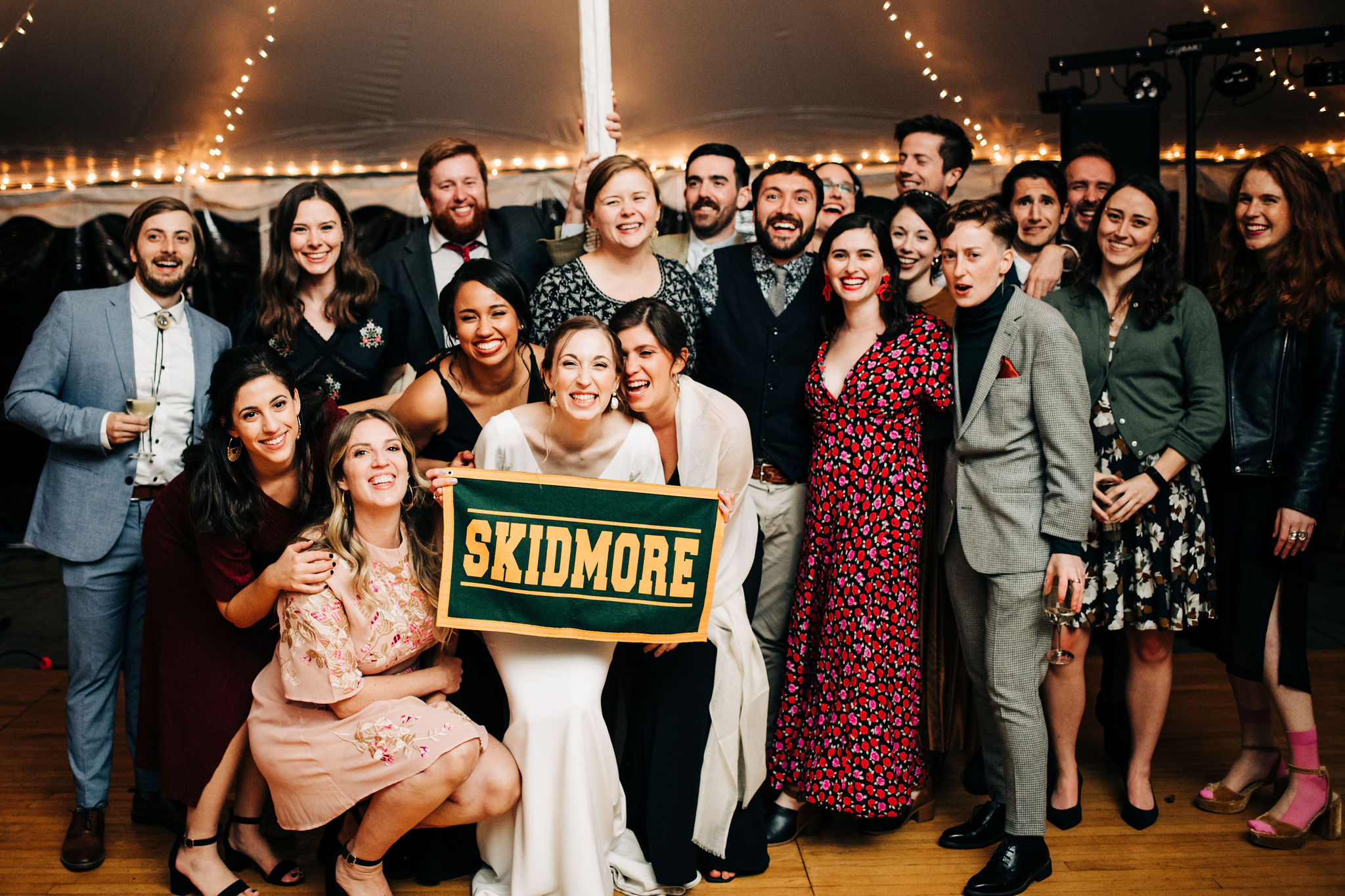
So when I heard about an independent Italian film festival created by Skidmore students last semester, my heart went pit-a-pat, in hopes of vicariously reliving the foreign-film passions of my college days. I wasnt disappointed. Scripted and acted by students in Richard Bonannos second-year and advanced Italian classes, shot on digital video by the media offices Steve Dinyer, and edited by Dinyer and Bonanno, the movies are astoundingly clever and well-crafted. Yes, the kids spoke a lot of Italian, and worked hard on diction and fluency, and even translated everything into very lucid English subtitles; and yes, they learned a lot about moviemaking, not to mention teamwork and deadlines and rah rah rah; but they also produced some truly compelling movie moments.
Especially for veteran cineastes like me, the film fest hit all the buttons, offering sendups-cum-homages to New Wave movie conceits from sharply oblique camera angles, to whispered voice-overs, to extreme closeups. In The Art Thief, a contemporary caper flick full of suspense, night-time exteriors, chases, and comic relief, the short takes and crisp editing provide just the right pacing and tone. And the 60s-vintage soundtrack is brilliant, galloping from American standards like Nancy Sinatra to signature Italian-flavored pop.
Another film twits the TV talk-show genre. Art Today and Yesterday is hosted by a bubbly, miniskirted airhead who declares everything divine! magical! absolutely fantastic! Her guests are equally hilarious caricatures of pompous critics, black-clad tortured artistes, and four-eyed academics. Each delivers characteristic commentary, often pickled in metaphysical jargon and psychobabble, the scripting of which, says Bonanno, was a great exercise in rhetorical nuance and vocabulary. But this is also a play within a play: the panelists are critiquing a period piece taken from Bocaccios Decameron. The tale of Federigos falcon features lavish, roughly medieval costumes, pastoral scenes, and a more classical, literary style of dialogue. Along with its lute-and-krumhorn soundtrack and leisurely pacing, the film also relies on some quiet but deft special effects: the falcon is a subtly animated stuffed hawk from the biology departments specimen collection, and in some exteriors a distant Florentine skyline is digitally added.
From the storyboarding to the FX to the credits and subtitles, this was an ambitious, all-out cinematic campaign. Bonanno says, We just didnt sleep for the whole week we finished it all up. Makes me wish I were nineteen again, and studying Italian at Skidmore. Then again, maybe not: I never managed to pull an all-nighter. SR |
|